
Central Bengkulu Regency Government Handles and Investigates Suspected Student Poisoning from Free Nutritious Meals
For the time being, the matter is still in the investigation stage. We cannot yet determine further steps, including halting distribution, until the cause of the incident is clear.
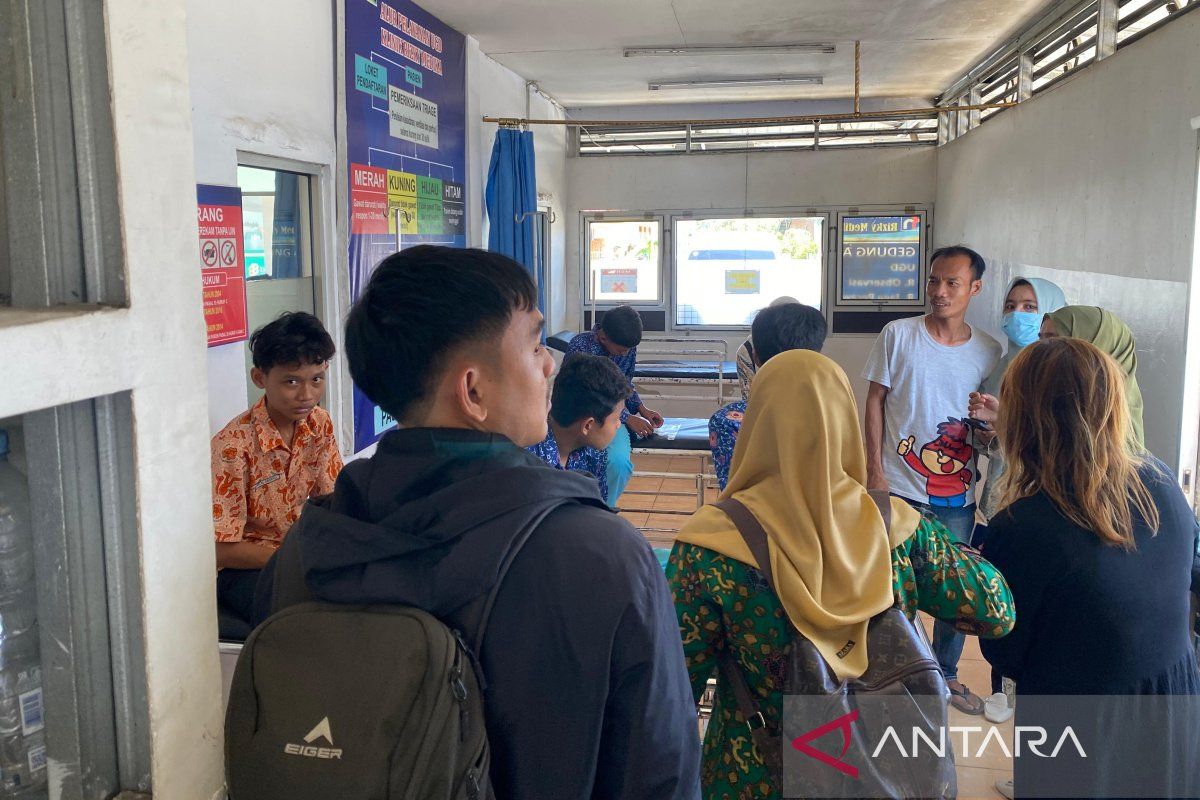
Central Bengkulu Regency (ANTARA) - The Central Bengkulu Regency Government in Bengkulu Province is handling and investigating the suspected poisoning of several students at State Junior High School 3 (SMPN 3), allegedly due to consuming Free Nutritious Meals (MBG).
“We are saddened by this incident. The local government has instructed the task force team to conduct an investigation to verify the circulating information,” said the Regent of Central Bengkulu, Rachmat Riyanto, in Central Bengkulu on Thursday.
For the victims who experienced poisoning and were taken to Primary Health Care Facilities (FKTP), he continued, the authorities are ensuring that personnel provide maximum service.
Regarding the operations of the food provider or Nutrition Fulfilment Service Unit (SPPG), he said, the decision to temporarily halt MBG distribution is still awaiting the results of the ongoing investigation.
Meanwhile, personnel from the Central Bengkulu District Health Office (Dinkes), community health centres, and the regency task force have taken food samples for laboratory testing at the Bengkulu Food and Drug Supervisory Agency (BPOM).
“Laboratory tests have already been taken. They are currently en route to BPOM. The samples were collected by the Dinkes team, community health centres, and the regency task force,” said the Head of Dinkes Central Bengkulu, Barti Hasibuan.
Meanwhile, Talang Empat Police Sector Chief Iptu Andri Gunawan stated that his side will continue to monitor the developments of the incident.
It is known that, based on information, the MBG menu consumed by the students who experienced poisoning consisted of chicken woku, tofu, stir-fried green beans and carrots, rice, fruit, and drinking water.
The symptoms experienced by the students appeared at different time intervals. Some students felt complaints about one hour after eating, while others experienced symptoms only moments after starting to consume the food.