
Celios: Budget Reallocation Can Maintain Energy Price Stability
Jakarta (ANTARA) – The executive director of the Centre for Economics and Law Studies (Celios), Bhima Yudhistira, believes the government should consider budget reallocation to maintain energy price stability amid the potential for increased inflation resulting from rising global oil prices.
He stated that increases in oil prices have a direct transmission effect on domestic energy and food inflation.
“The inflation most directly impacted by rising global oil prices causes transmission of food and energy inflation in parallel,” Bhima told ANTARA in Jakarta on Monday.
He explained that inflation control is significantly influenced by energy subsidy policies that can restrain increases in consumer energy prices.
According to him, without price-restraining energy policies, rising oil prices could drive increases in domestic inflation.
“Inflation control depends on how strong energy subsidies are,” he said.
He noted that Indonesian inflation had reached approximately 4.76 per cent in February before the escalation of conflict that triggered the increase in global oil prices.
Bhima then stated that inflation could potentially increase above 5.5 per cent if energy subsidies are reduced, with the burden of price increases being borne more heavily by consumers.
“Indonesia could face inflation increases above 5.5 per cent once subsidies are reduced and consumer burden increases,” he said.
He believed such conditions could potentially suppress public purchasing power and business activity, creating ripple effects across the economy.
To mitigate these impacts, Bhima believes the government can redirect budget allocations that are not yet priorities towards increased energy subsidies.
“The current solution is to redirect budget reallocation from non-priority items towards increased energy subsidies,” he stated.
He added that approximately IDR 340 trillion in budgetary space remains available to maintain energy prices for the public.
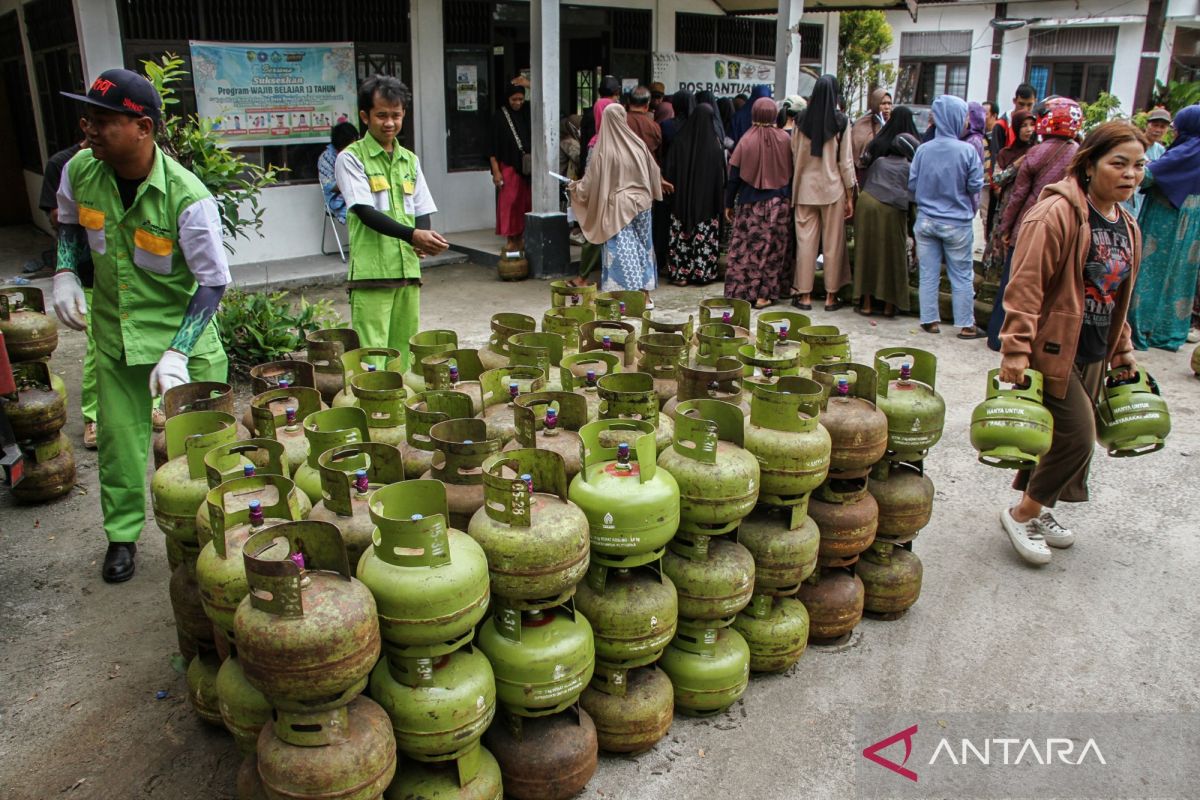
“There remains approximately IDR 340 trillion to maintain fuel prices, liquefied petroleum gas at three kilogrammes, and subsidised electricity tariffs without increases,” he explained.
Additionally, he believed that accelerated development of renewable energy sources (RES) could serve as a long-term measure to reduce dependence on petroleum fuels.
In the electricity energy sector, Bhima mentioned that the programme for developing power generation capacity up to 100 gigawatts could be accelerated, particularly in regions still dependent on diesel-fuelled generators.
He also stated that accelerated investment in renewable energy sources could strengthen national energy resilience in facing global oil price fluctuations.
“Danantara could accelerate investment execution in floating solar panels, hydroelectric, and wind power. The key is for Danantara to serve as a financial channel to assist energy transition,” he said.