
Cause of Sumatra blackout revealed, PLN explains
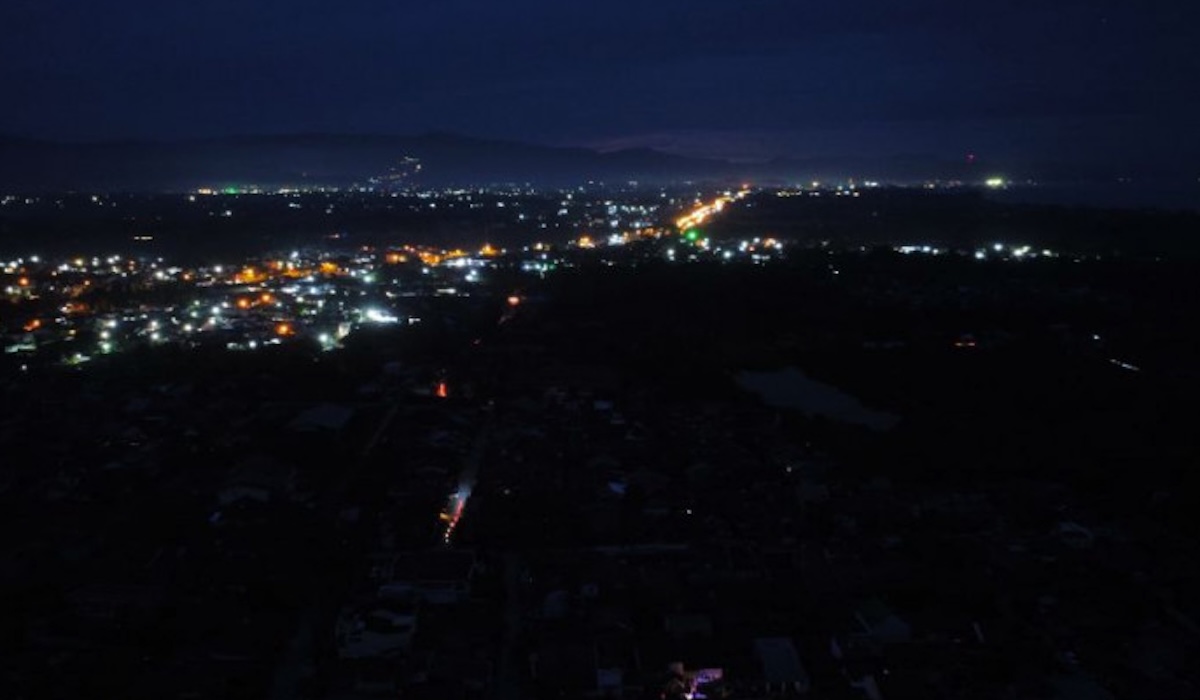
PLN (Persero) has confirmed that the widespread power outage that swept across most of Sumatra on Friday evening, 22 May, was caused by adverse weather conditions. The disturbance began at 18:44 Western Indonesia Time (WIB) and had a significant impact on the electricity transmission system in the region.
PLN’s President Director, Darmawan Prasodjo, explained that extreme weather triggered faults on transmission corridors, which then propagated to other transmission systems across Sumatra. This resulted in a frequency drop due to heavy load on the generating plants, triggering a domino effect of outages in several areas.
“Faults on the transmission corridors spread across parts of Sumatra’s transmission system, causing a frequency drop due to heavy load on the generators and triggering a domino effect of outages in a number of areas,” Darmawan said in a formal statement on Saturday, 23 May.
PLN says it managed to restore the affected transmission network within about two hours of the incident. The current focus for field teams is to recommission the affected generating units so they can synchronise again with the transmission system that is already prepared.
Darmawan noted that hydro and gas-based plants can respond quickly to supply the system. However, steam-fired power plants (PLTU) require longer to return to normal operation.
“While thermal plants such as PLTU take longer — between 15 and 20 hours from start-up to synchronisation and full operation,” he added.
To expedite normalisation, PLN has deployed hundreds of personnel working around the clock. Recovery efforts are focused on substations and plants in the affected areas, from Jambi, West Sumatra, Riau, North Sumatra to Aceh.