
Casualties Update: US-Israel Conflict with Iran Across Multiple Countries
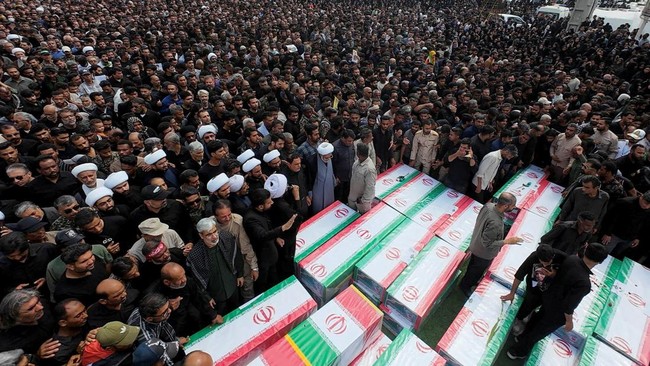
Conflict in the Middle East continues to expand following attacks launched by the United States and Israel against Iran on 28 February. Since then, armed conflict has spread to various countries in the region, resulting in significant loss of life.
Data compiled by AFP news agency shows deaths reported in numerous countries, from Iran to the Gulf region. However, these figures cannot yet be independently verified due to reporting restrictions in certain conflict zones.
Casualty figures are based on data released by governments, militaries, health authorities and rescue organisations in affected countries. The following is a breakdown of reported deaths from various Middle Eastern countries as of Wednesday, 11 March 2026.
Iran
Iran’s Ministry of Health reported on 8 March that more than 1,200 people died as a result of attacks during the conflict. Of this number, approximately 200 victims were women and 200 were children under 12 years of age. Additionally, more than 10,000 civilians were reported to have sustained injuries.
Iran’s government-affiliated Foundation for Martyrs and Veterans stated on Thursday that deaths from US and Israeli attacks had risen to 1,230 people. Previously, the Iranian Red Crescent had reported 787 deaths on 3 March.
Meanwhile, the US-based Human Rights Activists News Agency (HRANA) provided higher estimates. On 9 March, the organisation stated that at least 1,761 people had died, including 1,245 civilians. Of this number, at least 194 were children. Additionally, 189 victims were military personnel and 327 others remained unclassified.
Israel
For Israel, emergency responders and state authorities reported a total of 14 deaths since the start of the conflict. Missile attacks launched by Iran reportedly killed 12 people, including four children.
The Israeli military also reported two of its soldiers killed in fighting in southern Lebanon, adding to the total casualties for that country.
Lebanon
Lebanon’s Ministry of Health reported 486 deaths and 1,313 others injured during a week of attacks in the country.
Earlier reports on Sunday cited death tolls of 394 people, including 83 children and 42 women. AFP stated it was unable to verify further details of the latest figures.
The Lebanese military confirmed three of its soldiers had been killed. The armed group Hezbollah has yet to announce its losses.
Gulf States
In the Gulf region, local authorities and US Central Command (CENTCOM) reported a total of 24 deaths since Iranian attacks began. The majority of victims were military personnel or security forces, including seven US military members and 11 civilians.
In Kuwait, military and health ministry officials reported six deaths, consisting of two Kuwaiti soldiers, two border guards and two civilians, including an 11-year-old girl.
The United Arab Emirates (UAE) also reported six deaths, including four civilians and two military personnel killed in a helicopter accident caused by technical damage.
In Saudi Arabia, civil defence authorities reported two civilian deaths. Bahrain recorded two fatalities, whilst Oman reported one sailor killed at sea. Qatar stated 16 people were injured but reported no deaths.
Iraq
Pro-Iran fighter groups in Iraq stated that 20 of their members died in airstrikes they attributed to Israel and the United States.
In Iraq’s autonomous Kurdistan region, local authorities reported one airport security guard killed in an unmanned aircraft attack at Erbil airport. Additionally, at least two Iranian Kurdish fighters were also killed in attacks launched by Iran.
Jordan
In Jordan, military officials reported 14 people injured from debris from Iranian missiles and unmanned aircraft that fell across various areas of the country.
Jordanian military spokesman Brigadier General Mustafa al-Hiyari stated there were no reports of deaths in the country.
Syria
Syrian government media reported eight people injured from debris resulting from crossfire between Iran and Israel on Monday.
The incident occurred as air defence and missile systems from both sides engaged in the airspace of the region.
This expanding conflict has heightened international concerns about the potential for larger regional war escalation in the Middle East.