
Cashless Payment Increasingly Dominant, Yet Not All Are Ready to Abandon Cash
JAKARTA — Across various parts of the city, the payment patterns of the public are undergoing a shift that is occurring almost imperceptibly.
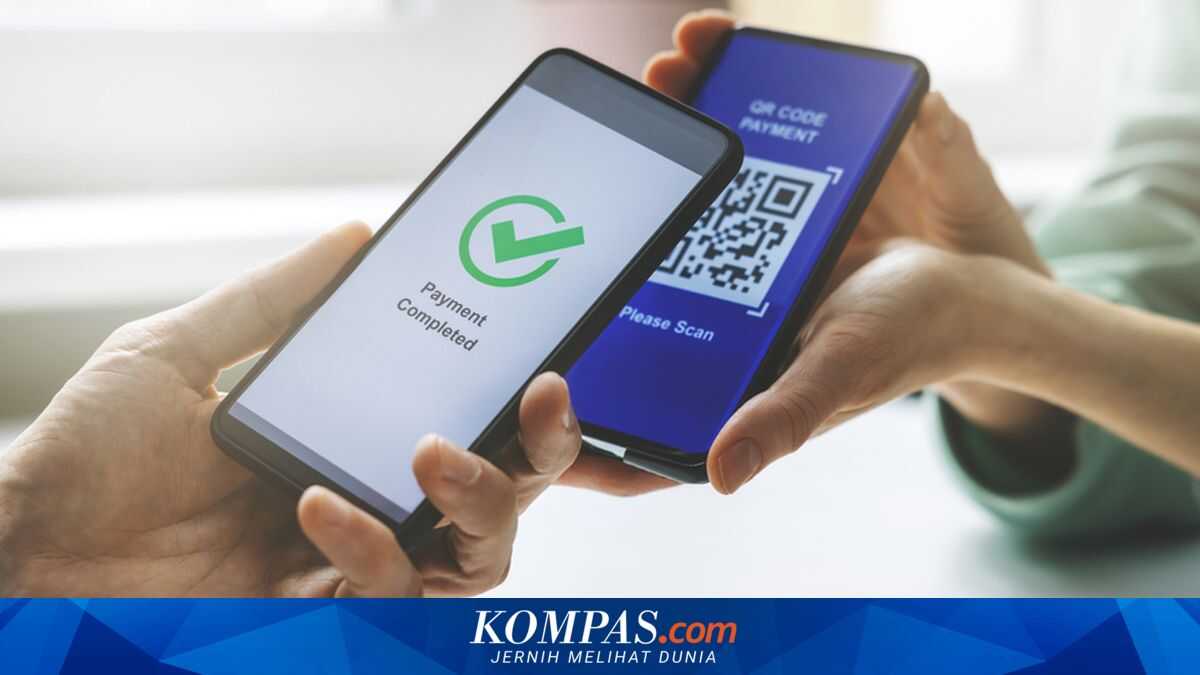
At the cashier of a coffee shop, for instance, the presence of a small screen with a QR code is now more dominant than the sound of the cash register drawer opening and closing.
At minimarket outlets, customers need only point their mobile phone for a few seconds before a transaction receipt is printed.
From parking fees to daily shopping, digital payment methods are increasingly being used.
Gradually forming a new pattern in urban life. Whereas previously transactions were synonymous with banknotes and coins, the payment process is now increasingly connected with electronic devices and applications.
The concept of a cashless society is not actually a new idea. This has been developing for several years and continues to evolve.
One of the main factors is the aspect of security, as digital transactions are considered to minimise the risk of losing or theft of physical money.
Additionally, this trend is also supported by the dominance of the millennial generation.
This age group is relatively more adaptable to information technology, combined with a lifestyle tendency that prioritises convenience, so that fast and efficient payment systems become the primary choice in conducting daily economic activities.
For some young urban residents, digital payment initially came about due to certain circumstances. The pandemic period became a major momentum when physical interaction was restricted and many places began to provide QR codes for transactions.
Arkan, 25, one of the loyal users of QRIS, directly experienced this change.
He began to learn about digital payments a few years ago, and the situation at that time made non-cash transactions feel safer and more practical.
“At first it was more out of necessity because at that time there were many appeals to reduce physical contact and almost all places already provided QR codes, but over time it became a habit,” he told Kompas.com on Thursday (26 February 2026).
Over time, this habit was no longer driven by appeals, but rather by comfort and convenience.
According to him, what was initially just a situational solution changed into a daily consumption pattern.
In Arkan’s daily life, cash now rarely comes out of his wallet. Most needs can be paid digitally, from transport to eating and shopping.
“Almost everything is now cashless. Taking public transport using a card, buying coffee, eating, shopping, even parking in Jakarta can sometimes be done via QR,” he said.
Nevertheless, he still keeps a small amount of cash as a precaution for when the digital system cannot be used.
Convenience is the main reason Arkan has persisted with digital payment. He no longer needs to bother preparing exact change or waiting for change from the cashier.
Additionally, the transaction history feature makes it easier for him to monitor spending. Everything is neatly recorded in the application.
“So I don’t need to think about change or find exact cash. Besides that, there is transaction history, so I can check spending. It also feels safer because I don’t carry a lot of cash in my wallet,” he said.
However, he also acknowledged that this convenience sometimes makes spending feel less visible.