
Cardinal Suharyo's Message of Peace on Easter, Highlighting Middle East Conflict
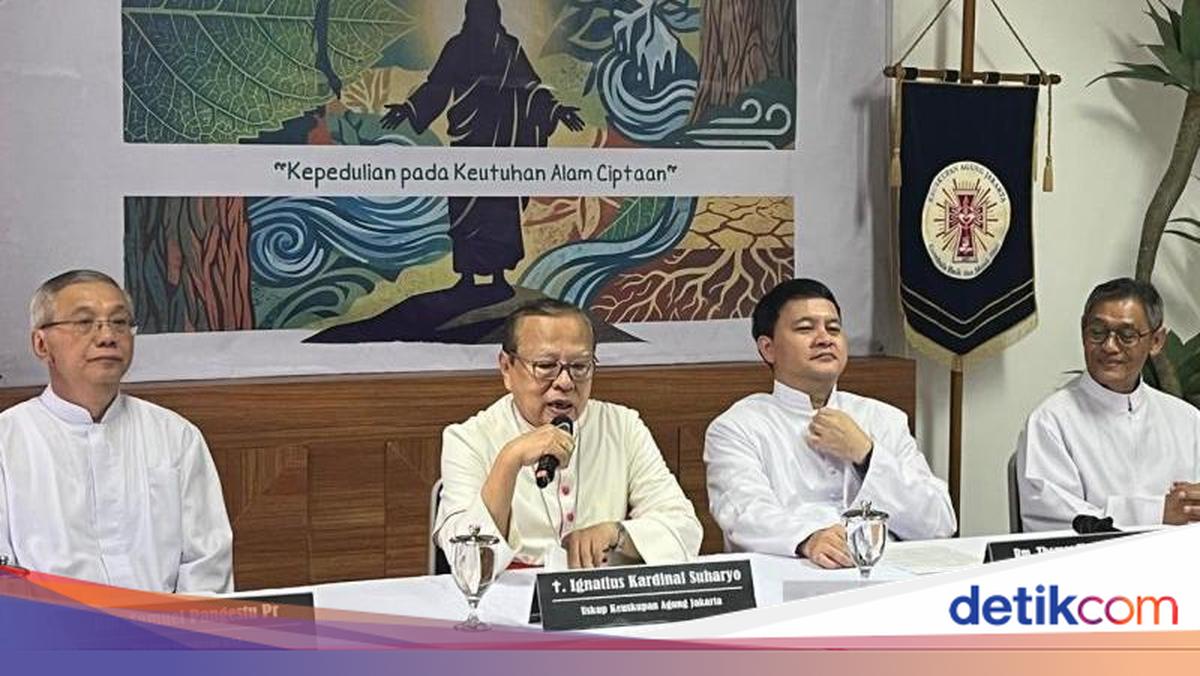
The Archbishop of Jakarta, Cardinal Ignatius Suharyo, has affirmed that the Catholic Church places world peace as its utmost priority amid the conflicts occurring in the Middle East. This aligns with the direction of Pope Leo XIV’s leadership.
According to Cardinal Suharyo, messages of peace have been conveyed by the Pope since the beginning of his tenure. At that time, the Pope first appeared on the pulpit of St Peter’s Basilica, uttering a prayer for God’s peace to accompany the entire world.
“That means he truly wants to state that his period of service as Pope will strive for peace,” said Cardinal Suharyo after leading the Pontifical Easter Mass at the Cathedral Church, as reported by Antara on Sunday (5/4/2026).
In the context of the current global conflicts, he said, the Pope issued a firm statement that the prayers of leaders who justify war will not be heard by God.
“Even, with very harsh words regarding war, he said that the prayers of leaders who justify war will not be heard by God. Very harsh words indeed,” said the Cardinal.
He assessed that the wars occurring today constitute violations of international law and the values upheld by the United Nations (UN). He stated that their impacts not only damage the world but also cause great suffering to humanity.
“What exists is very bad consequences, not only for the world, for the earth, but for humanity,” he added.
He further noted that the Pope calls on Catholics worldwide to continue praying for peace every day, even though hopes for the conflicts to end before Easter have not been realised.
In his reflection, Cardinal Suharyo mentioned that amid the global situation coloured by “darkness”, there is still hope likened to a small light that continues to illuminate humanity.
Besides the issue of peace, he also highlighted the importance of awareness of ‘integral ecology’, which is a comprehensive view of the living environment that not only covers technical aspects, such as energy, water, and waste, but also concerns human morality. According to him, environmental damage is inseparable from greedy attitudes that ignore solidarity with fellow humans.
“As long as greed remains dominant, especially supported by destructive forces, then damage will continue to occur,” he added.
Cardinal Suharyo emphasised that ecological repentance must begin from a change in conscience, not merely external actions. Cardinal Suharyo also invited the community to adopt a simple lifestyle as a form of self-control, namely living sufficiently without excess.