
Carbon Exchange Rules Revised, OJK Aligns with Presidential Regulation No. 110 of 2025
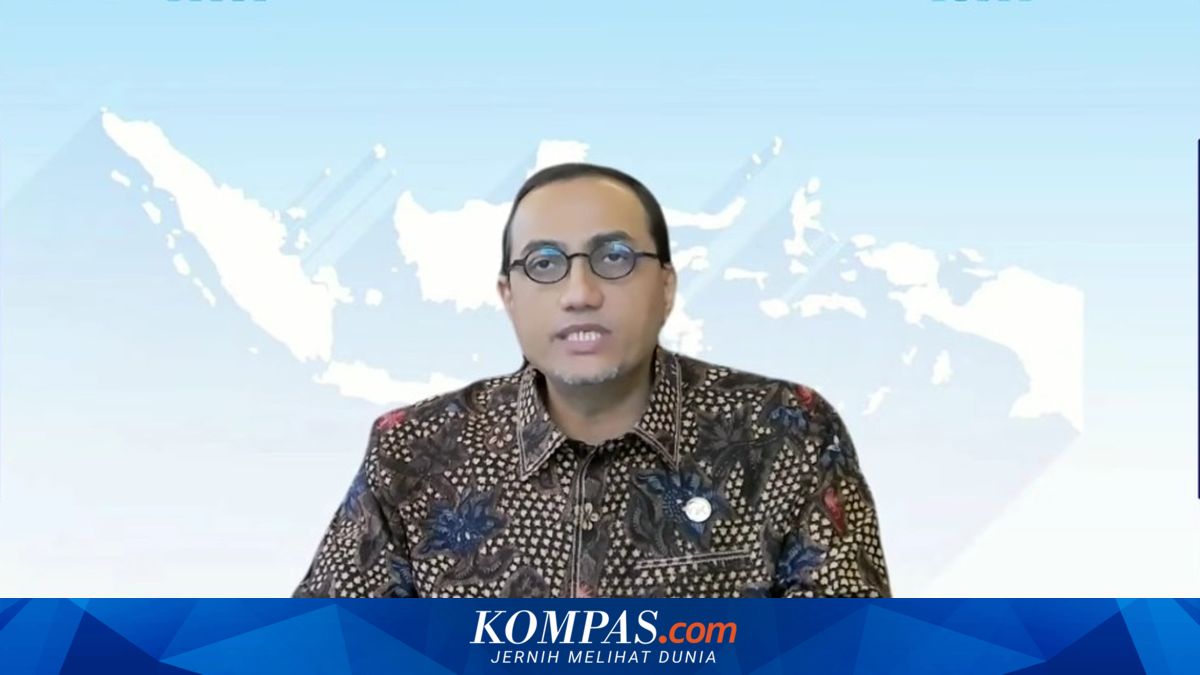
Jakarta, Kompas.com – The Financial Services Authority (OJK) is revising the regulations governing the administration of the carbon exchange following the issue of Presidential Regulation (Perpres) No. 110 of 2025. The Perpres regulates the administration of the carbon economic value instrument (NEK) and national greenhouse gas (GRK) emissions control. This regulation marks a government step to strengthen the governance of Indonesia’s national carbon trading, and also improves the integration between the primary and secondary carbon markets in Indonesia. The rule forms the basis for changes to a number of technical rules across ministries and agencies, including OJK Regulation (POJK) No. 14 of 2023 and OJK Circular Letter (SEOJK) No. 12 of 2023. “This Perpres then serves as the reference for several technical regulations in the related ministries and agencies, including of course OJK Regulation No. 14 of 2023 and SEOJK No. 12 of 2023, which are currently undergoing changes to align with Perpres 110 mentioned,” Friderica said during a working meeting with Commission XI of the Indonesian House of Representatives (DPR RI), on Thursday (21 May 2026). In accordance with the law, OJK’s authority lies in regulating the secondary market, i.e., the administration of the carbon exchange. The authority to regulate the primary market lies with the relevant technical ministries. The new rules contain several fundamental adjustments, particularly in the area of the primary market. Their aim is to enhance system integration, simplify business processes, and strengthen the governance of Indonesia’s carbon trading. The first change relates to the carbon trading registry system. Presidential Regulation No. 98 of 2021 used the National Registry System for Climate Change Control (SRN-PPI) as the sole registry system, wholly under the Ministry of Environment (KLH). Presidential Regulation No. 110 of 2025 changes the registry system to the Carbon Registry System (SRUK). The system is decentralised, integrated, and accessible to all relevant ministries. “Whereas in the new Perpres, the registry system used is SRUK, the Carbon Registry System, decentralised and integrated for all relevant ministries,” she said. The integration will create connectivity between the primary and secondary markets. The changes also concern recommendations and approvals by the technical ministries. The new Perpres provides space for the related ministries to issue recommendations on Emission Reduction Certificates (SPE-GRK) resulting from domestic certification.