
Car Market Leader in Indonesia is Not BYD or Honda, but This
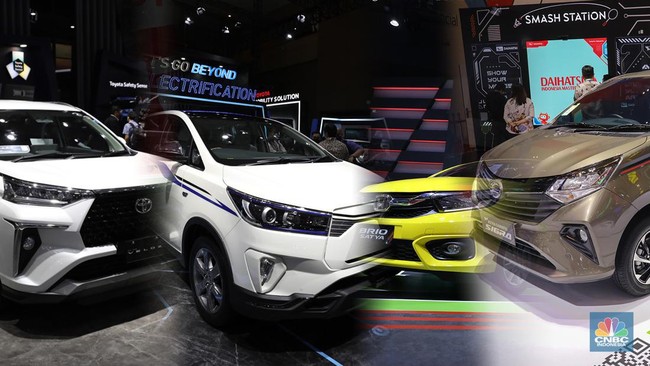
Jakarta — Indonesia’s domestic automotive market has started to show recovery signs in early 2026. New car sales in Indonesia recorded an increase in February, with Japanese manufacturers maintaining a very strong grip on the domestic market.
Data from the Association of Indonesian Automotive Manufacturers (Gaikindo) showed that car sales through wholesales (factory distribution to dealers) reached approximately 81,159 units in February 2026. Meanwhile, retail sales from dealers to consumers reached 78,219 units.
This achievement demonstrates double-digit growth compared to the same period in the previous year and signifies that the automotive market is beginning to recover momentum after a relatively moderate start to the year. In the list of bestselling brands, Toyota has re-established itself as the market leader. The Japanese manufacturer recorded wholesale sales of 22,522 units throughout February 2026.
Second place was held by Daihatsu with sales of 13,452 units, followed by Suzuki which recorded 9,659 units. The dominance of Japanese manufacturers is also evident from the composition of the top five bestselling car brands in Indonesia.
The following is the list of the top 10 bestselling car brands in Indonesia in February 2026 based on wholesales:
Toyota — 22,522 units
Daihatsu — 13,452 units
Suzuki — 9,659 units
Mitsubishi Motors — 7,008 units
Honda — 5,385 units
BYD — 4,653 units
Jaecoo — 3,005 units
Mitsubishi Fuso — 2,506 units
Isuzu — 1,948 units
Hyundai — 1,741 units
Although still dominated by Japanese brands, several Chinese manufacturers are beginning to demonstrate their influence. BYD successfully entered the top six, whilst newcomer Jaecoo immediately broke into the top seven sellers. Meanwhile, in the commercial vehicle segment, Mitsubishi Fuso and Isuzu remain in their positions as leading players.
Industry participants are projecting that car demand could increase over the coming months, particularly ahead of the Eid al-Fitr season. Consumers typically take advantage of this period to purchase new vehicles for use during the Lebaran holiday exodus.