
Cancer Treatment Requires Progressive and Patient-Oriented Strategies
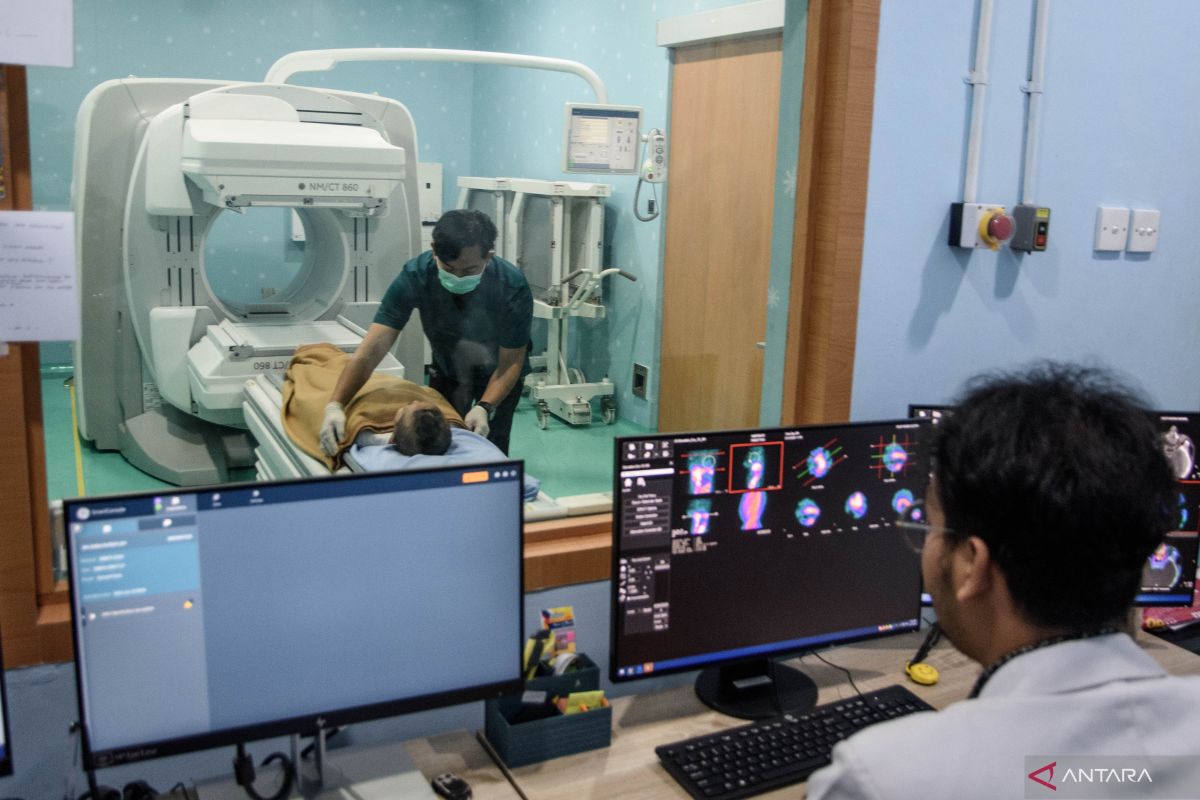
Jakarta (ANTARA) - AstraZeneca Indonesia’s President Director, Esra Erkomay, stated that cancer management in Indonesia requires progressive, integrated, and patient-oriented strategies.
“Public health can no longer be separated from the national development agenda. Amid various challenges faced by Indonesia, cancer emerges as one of the most tangible threats, not only to the quality of life of the population but also to the country’s productivity and economic resilience,” Esra said in an official statement in Jakarta on Tuesday.
Quoting data from the Global Cancer Observatory (GLOBOCAN) 2022, Esra conveyed that there are around 408,661 new cancer cases with more than 242,000 deaths each year in Indonesia.
She said this trend is not just a statistical challenge but also presents real impacts on society and the healthcare system. Many cancer patients experience a decline in quality of life, loss of ability to work, and severe financial pressures.
From the families who must deplete their savings, even sell assets, to fund long-term treatment. On a broader scale, this condition also pressures national productivity and increases the economic burden on the country.
Therefore, Esra believes the government needs to intensify early detection to broaden the chances of successful therapy, while minimising the complexity and costs of treatment.
Health screening needs to be encouraged as part of public health culture, while also opening access to the latest treatments and financing guarantees so that the benefits of early diagnosis can truly be translated into optimal treatment outcomes.
“However, this progress will only be meaningful if it can be accessed by the patients who need it. Therefore, access to therapy and innovative medicines needs to be viewed as part of fulfilling patients’ rights to receive the best treatment,” she said.
She added that this requires policy support that enables the faster, more equitable, and sustainable adoption of medical innovations within the healthcare system.