
Cancellation of US Reciprocal Tariffs: Who Else Will Follow Malaysia?
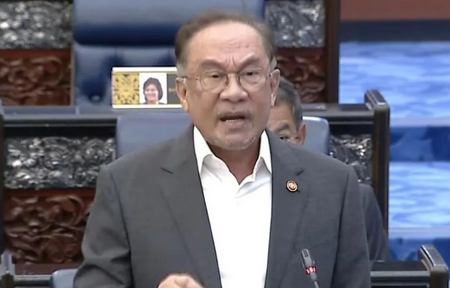
Malaysia’s decision to cancel its Reciprocal Trade Agreement (ART) with the United States in March 2026 has established a new legal precedent. Many parties are now watching other US trading partners, including Indonesia, Vietnam, and Thailand, to see whether they will take similar steps to avoid economic losses.
Following the US Supreme Court’s decision to invalidate President Donald Trump’s use of the International Emergency Economic Powers Act (IEEPA), the structure of US import tariffs underwent drastic changes. Nations previously “forced” to sign reciprocal tariff agreements at 19% now find themselves in a disadvantageous position compared to the temporary global tariff rate (Section 122) of only 10%.
Economically, maintaining an agreement with 19% tariffs whilst the general tariff rate falls to 10% is uncompetitive. Export products from countries complying with the “Trump Tariffs” agreement would actually be at a disadvantage in the US market compared to products from countries without such special agreements.
If the majority of partner nations follow Malaysia’s step, then President Trump’s ambition to create a system of bilateral reciprocal trade would collapse. The world would likely revert to a multilateral trade system, or the US would shift to more aggressive instruments such as anti-dumping investigations and countervailing duty (CVD) actions.
Exporters in Indonesia are advised to remain vigilant and monitor official communications from the Indonesian Ministry of Trade. Legal uncertainty in the US is expected to persist until mid-2026, when the US Congress will likely attempt to re-authorise the President’s tariff authority through legitimate legislative channels.