
Can You Eat Your Own Sacrificial Meat? Here's the Explanation
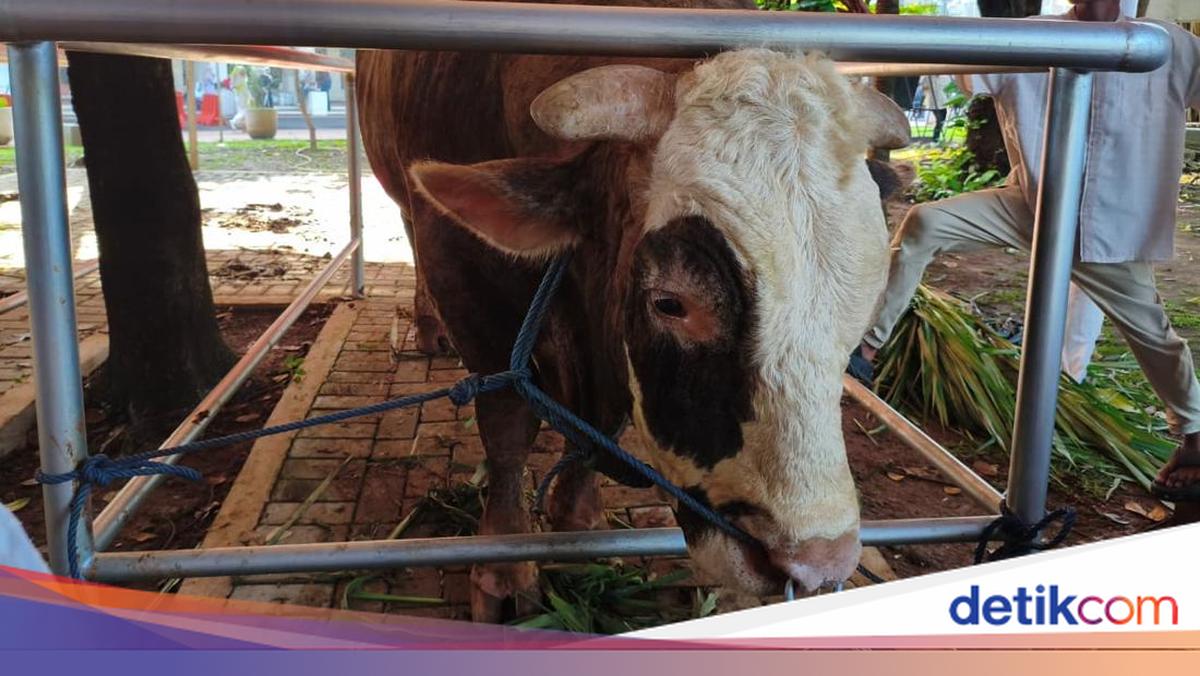
Sacrificing an animal during Eid al-Adha is encouraged for Muslims who are financially able. Can those who perform the sacrifice consume the meat of the animal they sacrificed? According to NU Online, it is recommended for the person offering the sacrifice to eat from the meat to seek blessings (tabarruk). This guidance is also mentioned in the Quran, Surah Al-Hajj verse 36: ‘Eat some of it and feed the needy and the beggar. Thus have We subjected them to you that you may be grateful.’ However, the permissibility and recommendation to consume sacrificial meat applies only to voluntary sacrifices (sunnah). In contrast, for obligatory sacrifices such as vows (nazar), it is forbidden for the person offering the sacrifice to consume any part of the meat, even a small amount, and the entire portion must be given to the poor and needy. Distribution Guidelines for Sacrificial Meat Based on the explanation from Bimas Islam at the Indonesian Ministry of Religious Affairs’ Instagram account @bimasislam, the following are the rules for distributing sacrificial meat: 1. Permissible to Eat, Gift, and Donate Sacrificial meat is not solely for the poor but can also be: - Consumed by the person who offered the sacrifice - Given to relatives or neighbours - Donated to those in need 2. Can Be Distributed Outside the Local Area - It may be sent to other regions with greater need - However, sharing within the local community is preferred 3. Recommended Distribution Scholars recommend dividing the meat as follows: - One-third for personal consumption - One-third as gifts - One-third for charity (to the poor and needy) *Priority should be given to the poor and needy 4. Must Not Be Sold