
Can Toll Road Rest Areas Really Be Closed When Full? Here's What Jasamarga Says
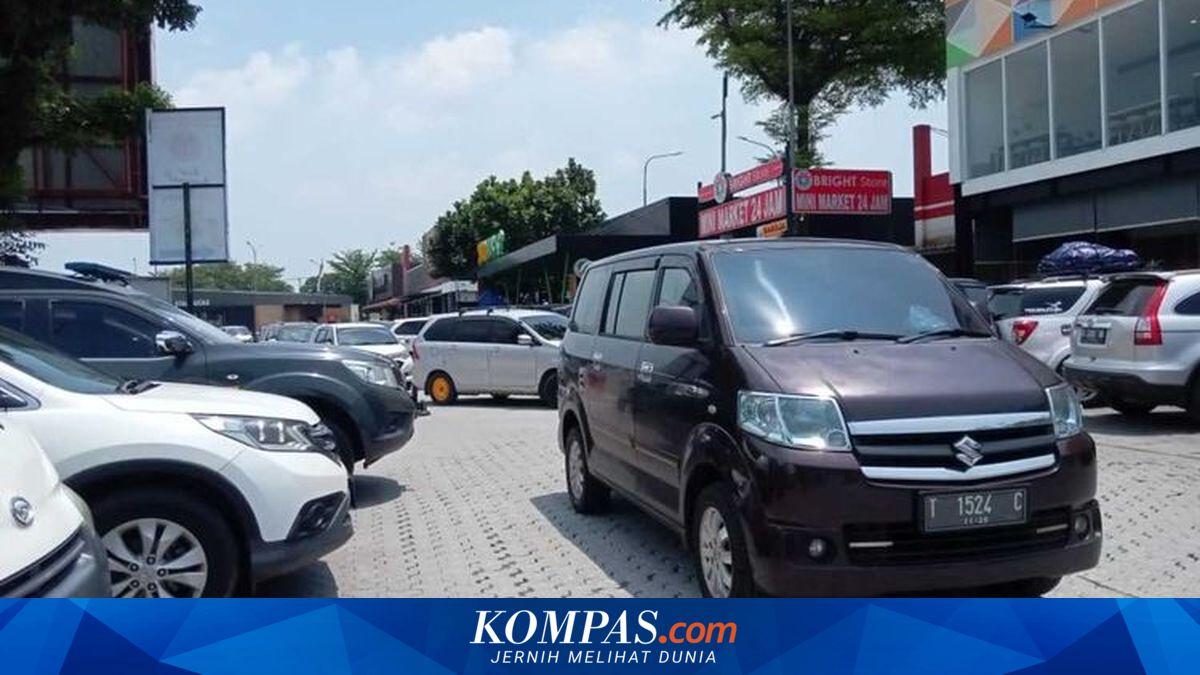
YOGYAKARTA – During the Lebaran exodus period, rest areas along toll roads often become the most congested points. Frequently, parking areas fill to capacity with queues of vehicles snaking at the entrance.
This situation has prompted questions amongst travellers: can rest areas really be closed if they become too crowded?
Vice President Corporate Secretary & Legal of PT Jasamarga Transjawa Tol, Ria Marlinda Paalo, stated that toll road operators can indeed implement measures, including temporary closure of rest areas, if capacity no longer permits their use.
According to Ria, such measures form part of traffic management engineering, similar to one-way or contraflow policies frequently applied on toll roads during peak travel periods.
“It’s essentially the same as traffic engineering on the Jakarta–Cikampek toll route or other routes, such as one-way, contraflow. So for rest areas, we also have parameters,” Ria said.
She explained that toll road operators have specific indicators to determine when rest areas have become too congested. Should such conditions arise, information is immediately communicated to road users through various information channels.
However, decisions to close rest areas are not made unilaterally. Toll road operators coordinate with police to ensure field traffic conditions are appropriate.
“We will definitely collaborate with the police to assess field conditions. The point is to determine whether traffic on the toll road has already dispersed or how the situation looks,” she said.
Based on previous peak travel periods, Ria noted that Rest Area at KM 57 on the Jakarta–Cikampek route is amongst the most frequently congested locations for travellers.
She indicated that surges in rest area visitors typically occur at specific times, particularly approaching prayer time during Ramadan.
Notably, although many travellers prefer to depart in the evening, peak congestion at rest areas often occurs during the breaking of fast period until around 19:00 hours.
“The favourite departure time is indeed evening, but crowded rest areas typically occur from Maghrib prayer time until around 7 pm,” Ria explained.
One method available is utilising the Travoy application, which provides information on rest area conditions and facilities along toll roads.
With proper planning, travellers are expected to be able to rest comfortably without exacerbating congestion at particular rest areas.