
Can Pakistan Mediate US-Iran Peace Negotiations?
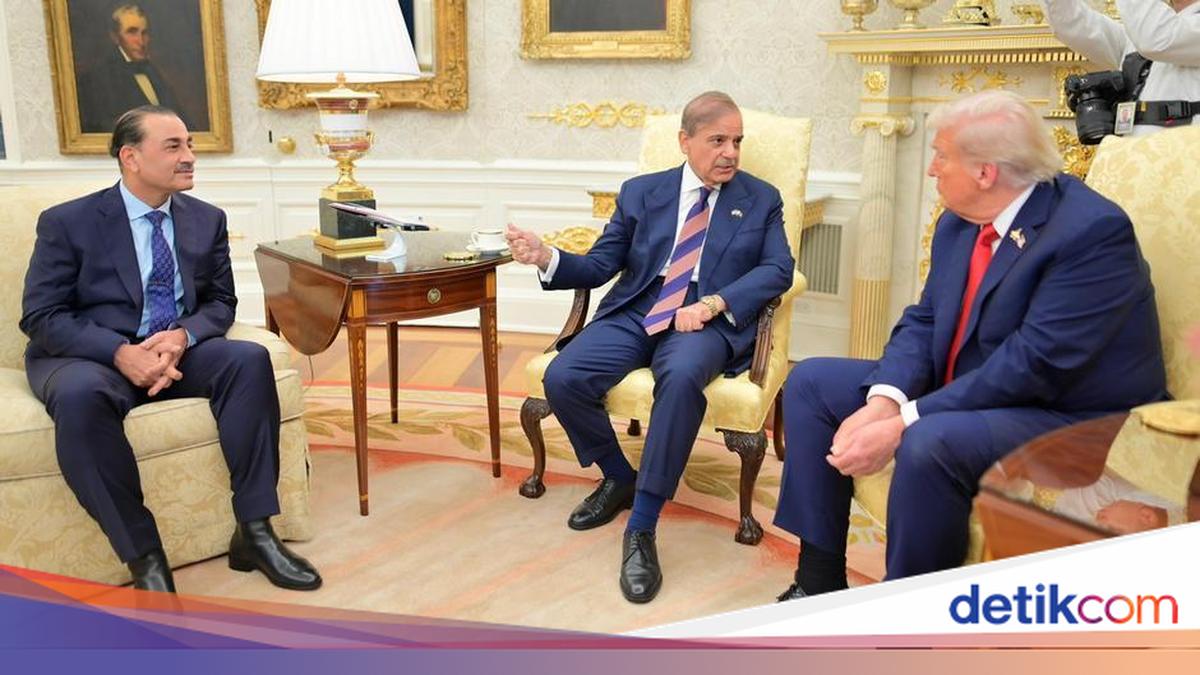
Pakistan is intensifying its diplomatic efforts to become the primary mediator in the conflict between the United States (US) and Israel with Iran. These efforts align with Pakistan’s strategic relations with Iran and the US, which form the foundation.
Although there are no signs that the conflict will subside, the Pakistani government in Islamabad held high-level meetings with Turkey, Egypt, and Saudi Arabia on Sunday (29/03) to prepare for possible talks between Washington and Tehran.
Following the meeting, Pakistan’s Foreign Minister Ishaq Dar stated that Pakistan would “feel honoured to host and facilitate constructive talks between the two parties in the coming days.”
“Pakistan is delighted that both Iran and the US have expressed confidence in Pakistan to facilitate talks,” Dar said, without providing further details.
It remains unclear whether the negotiations will be direct or indirect. Neither the US nor Iran has confirmed when the negotiations will take place. Instead, both countries have issued contradictory statements regarding whether the negotiations will indeed occur.
On Sunday (29/03), Iran’s Parliament Speaker Mohammad Bagher Qalibaf dismissed the planned negotiations in Pakistan as a “pretext” for invasion. Meanwhile, 2,500 US marines have landed in the Middle East, and Qalibaf stated they would be “burnt to ashes.”
Iran previously rejected the US peace plan containing 15 points delivered through Pakistan, calling it “excessive, unreasonable, and unrealistic.” The plan demanded that Iran end nuclear enrichment, dismantle nuclear facilities, and open the shipping route in the Strait of Hormuz.
On Monday (30/03), Iran’s Foreign Ministry denied US President Donald Trump’s claim that talks were ongoing between Washington and Tehran to end the war.
“We have not conducted any direct negotiations,” said Iran’s Foreign Ministry spokesman Esmaeil Baghaei during a press conference.
Trump has repeatedly signalled that some form of negotiations between the US and Iran is underway. However, in one of his latest posts on Truth Social, Trump also threatened to “destroy” Iran’s energy infrastructure if Iran does not soon make a “deal” and open the Strait of Hormuz.
Pakistan’s efforts to maintain balance
Islamabad is seeking to reaffirm its diplomatic relevance by positioning itself as a credible dialogue partner, leveraging its relations with Washington, Tehran, and Gulf countries, Raza Rumi, a Pakistan-based analyst in the US, told DW.
“The US-Iran conflict directly threatens Pakistan’s economic stability, given its dependence on energy supplies from the Gulf and overseas remittances,” he said.
Pakistan must carefully balance its diplomacy because it has a defence pact with Saudi Arabia, as well as cultural ties and a 900-kilometre border with Iran.
“The mediator role gives Pakistan an opportunity to emerge as a stabilising actor while protecting itself from the impact of a widening regional war,” Rumi added.
During Trump’s second administration, US-Pakistan relations have improved. Trump has met twice with Pakistan’s Army Chief Asim Munir and called the Pakistani general his “favourite field commander.”
Fatemeh Aman, an Iran-Pakistan expert who previously worked at the Middle East Institute and Atlantic Council, told DW that Pakistan is one of the few countries capable of maintaining good communication with both Washington and Tehran without being dismissed.
She added that Pakistan’s motivation is also to manage a conflict that could have rapid repercussions within its borders.
Pakistan fears the outbreak of a regional war
Pakistan is still embroiled in conflict with the Taliban in its neighbouring country, Afghanistan. Additionally, there are threats from militants in the separatist group in Balochistan Province, which borders Iran.
“There is urgency. Instability in Iran directly affects Pakistan, from Balochistan’s security to energy access and domestic stability,” Aman said.
The main threat to Pakistan is if US-Iran negotiations fail and a prolonged war continues to disrupt energy supplies through the Strait of Hormuz, which would worsen Pakistan’s already fragile economic condition.
“Failure would put Pakistan directly in the face of economic and security shocks. Disruptions in energy supplies, especially through the Strait of Hormuz, would trigger inflation and exacerbate fiscal pressures. Risks along Pakistan’s western border with Iran would also increase, including refugee flows and militant activities,” Rumi said.
The next threat from a prolonged conflict is the security situation along Pakistan’s western border with Iran.
Aman said the situation would make trade routes less reliable, and operations in wider areas would be difficult to control.
“A prolonged conflict increases pressure along the Iran-Pakistan border. It also opens opportunities for militant groups and heightens the risk of domestic unrest. The issue is not whether Pakistan succeeds diplomatically. The issue is that if the situation continues to heat up, Pakistan will inevitably face the consequences,” she said.
Pakistan’s position in the Middle East
Pakistan has strengthened its decades-long partnership with Saudi Arabia through a joint defence pact, which states that an attack on one party is considered an attack on both. At the same time, Pakistan also has deep ties with Iran.
If Gulf countries become involved in the conflict and the regional war escalates, Pakistan’s balancing efforts will become even more difficult.
“If Saudi Arabia joins the war, Pakist”