
Can Gen Z Become an RT Head? Explanation on Whether It's Allowed or Not
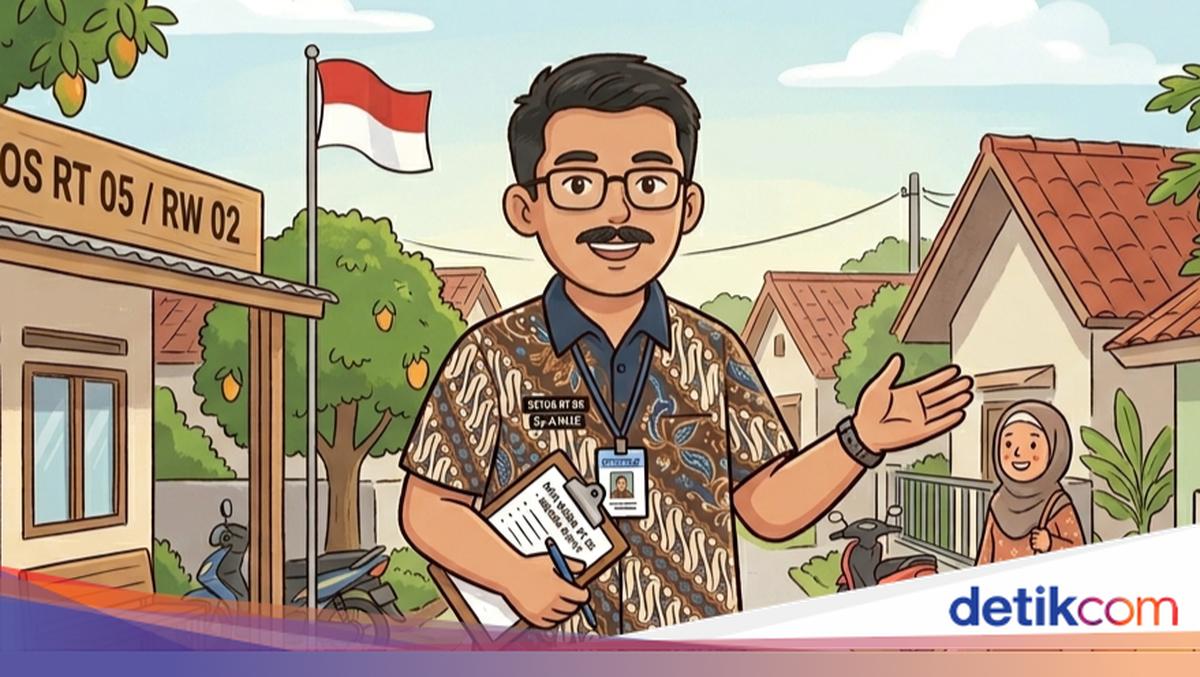
The phenomenon of young people becoming RT heads has recently become a hot topic of discussion. Generation Z, or Gen Z, synonymous with the digital world, is now taking on greater roles in their residential communities. Even, some young individuals have gone viral for successfully being elected as RT heads, despite their age being relatively young compared to other residents.
This situation has raised questions in society: can Gen Z truly become RT heads? After all, the position has traditionally been held by more senior figures, considered more mature and with extensive experience in community life. It’s no wonder that when young people step forward, there’s still the perception that they are not ready to lead.
On the other hand, the presence of Gen Z in community leadership structures can bring new perspectives. They are seen as quicker to adapt to the times, especially in technology and communication. This can be an added value in improving services to residents, though it still needs to be balanced with experience and the ability to socialise across generations.
So, can Gen Z nominate themselves as RT heads? What are the requirements and the selection process for RT heads so far? Read the clearer explanation in the following article.
Who is Gen Z?
According to the book Generasi Z and Entrepreneurship by Agus Salim Lubis and Ricka Handayani, Generation Z or Gen Z is a group of young people born around 1995 to 2010. This generation grew up in an era of rapid technological development, so their daily lives are very close to the internet, social media, and digital devices.
In addition to being distinguished by birth year, Gen Z also has characteristics that are quite different from previous generations. In their outlook on life, they tend to be more flexible, focused on the present condition, and have a more practical approach to decision-making.
In general, there are three main characteristics of Generation Z, especially in urban areas, namely confidence (self-confidence), creative (creative in developing ideas or concepts), and connected (connected and active in socialising). They are also known to be active in communities, both directly and through social media and the internet, thus having a wide and dynamic network of friendships.
Can Gen Z Become RT Heads?
The phenomenon of young people becoming RT heads began to emerge after the story of a young man in North Jakarta went viral for successfully leading his residential community. As reported by detikNews, the figure is Sahdan Arya Maulana, who was initially doubted by residents due to his relatively young age.
Sahdan admitted that initially many residents underestimated his abilities. He was considered to lack sufficient experience to lead.
“Of course, the older ones have a sense of distrust because they think what can the young ones do, right, because there are many older folks. Well, as time goes by, we prove it to them,” said Sahdan, quoted from detikNews (15/7/2025).
However, as time passed, the doubts began to fade after he was able to demonstrate real performance. This experience proves that Gen Z also has the opportunity to become RT heads, as long as they gain the trust of the residents.
Moreover, at present, most Gen Z have entered adulthood and are considered capable of leading society on a larger community scale. That opportunity is even more open if supported by the surrounding environment.
Sahdan also emphasised the importance of support from parents and community figures. According to him, guidance from previous generations is key for young people to carry out their roles well.
“The ones who support and guide are definitely the parents. The previous officials also still support and guide. Alhamdulillah here, the older ones give opportunities because there are many out there where the elders or the old ones do not give opportunities to Gen Z,” he explained.
From that experience, it can be concluded that Gen Z can indeed become RT heads. The key is not age, but the trust of the residents, personal readiness, and support from the surrounding environment.
Requirements to Become an RT Head
The requirements to become an RT head are usually determined by the respective regional government. Here is an example of the requirements to register as an RT head, quoting the Mayor of Yogyakarta Regulation Number 92 of 2011 on Guidelines for the Implementation of the Formation of Rukun Tetangga (RT) and Rukun Warga (RW).
The requirements to become an RT head include:
Devout to God Almighty;
Loyal and obedient to the Unitary State of the Republic of Indonesia, Pancasila, and the 1945 Constitution;
Educated at least at the Primary School (SD) level or equivalent;
At least 21 years old or under 21 years old but has been married;
Physically and mentally healthy;
Of good behaviour, honest, fair, competent, authoritative, and fully dedicated to the community;
Not currently involved in legal issues due to committing criminal or civil offences;
Knows the area and is known by the local community;
Possesses the ability and willingness to work and build the community;
Has resided permanently for at least 6 (six) months continuously, registered in the Family Card, and possesses a local Identity Card;
Not currently serving as an apparatus of the Sub-district or District;
Has not served more than 2 (two) consecutive terms in the same position.
Process of Selecting an RT Head
Formation of the Selection Committee
Registration and Determination of RT Head Candidates
Implementation of the RT Head Election
Determination and Inauguration of the Elected RT Head
Advantages of an RT Head from the Gen Z Circle
More Technologically Savvy
More Open Communication
Has Many Creative Ideas
Quick to Adapt to Changes
Encourages Youth Participation
Has High Energy and Enthusiasm