
Can Employees Sue Their Companies if Denied Eid Leave?
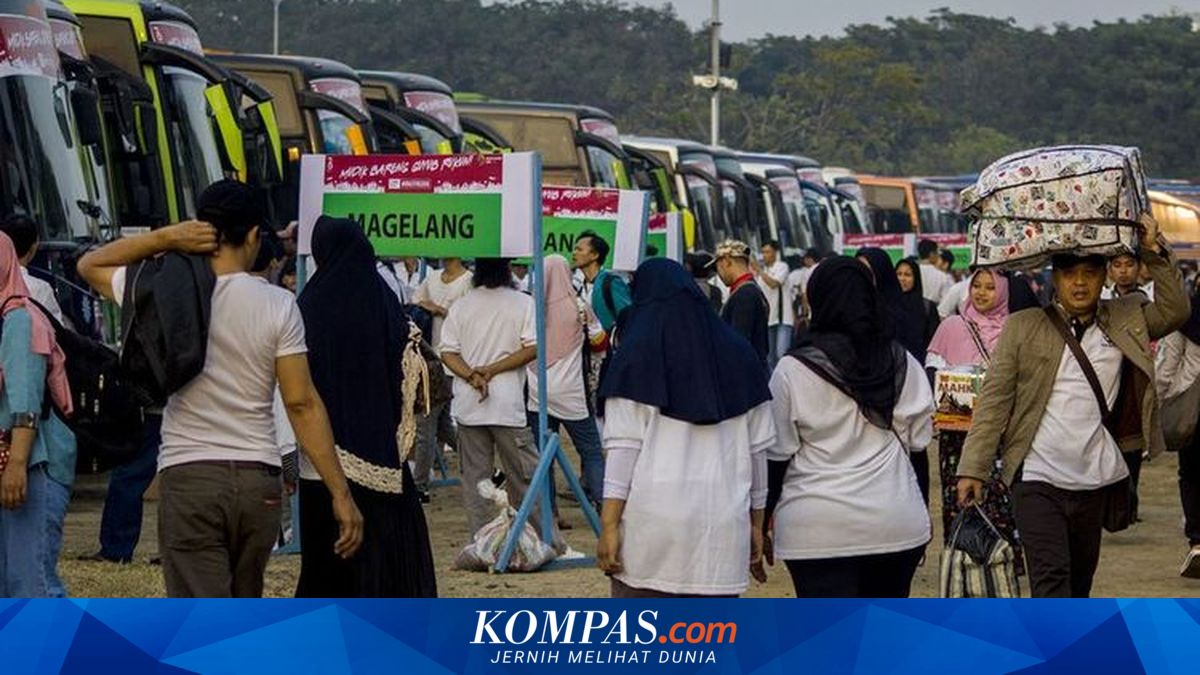
JAKARTA — Eid al-Fitr is traditionally a time for many people to return to their home villages and reconnect with family. However, not all workers can take leave due to work commitments.
Several Jakarta workers are forced to suppress their longing for parents and relatives in their home villages because their companies do not permit employees to take leave simultaneously during Eid al-Fitr.
Erna (28), a minimarket employee, has not been granted Eid leave for seven years. “At first I couldn’t take leave because usually only the shop manager took leave and that was non-negotiable—they grabbed it first,” said Erna during an interview at her home in Manggarai, South Jakarta, on Wednesday (11 March 2026).
The mother of two said her employer does in fact offer rotational Eid leave to staff, but implementation depends on the shop manager’s discretion—whether they are willing to rotate leave with their subordinates.
She hopes the government or companies will establish a policy requiring all Muslim retail employees to be given leave during Eid so they can gather with their families.
Farah Fadilah (25), a mall employee, likewise reported never receiving Eid leave in her five years of employment. “I haven’t been able to return to my village for nearly five years because of work,” said Farah when met in South Jakarta on Wednesday.
According to legal expert Tadjudin, prospective employees should review employment contracts before signing to determine whether religious holiday leave is specified. “That depends on the contract signature—whether it states you can take leave on major religious holidays, which should usually be stipulated. If not, then you do face the risk of working during Eid if there is no agreement,” said Tadjudin when reached by phone on Wednesday.
Tadjudin noted that retail companies typically do not want to lose business during peak trading periods, including Eid. These occasions often bring floods of customers, requiring staff to remain on duty to provide service.
Moreover, most companies have predominantly Muslim workforces, which means workers are often required to work during Eid due to limited human resources.