
Can children develop warmth and empathy without a harmonious family?
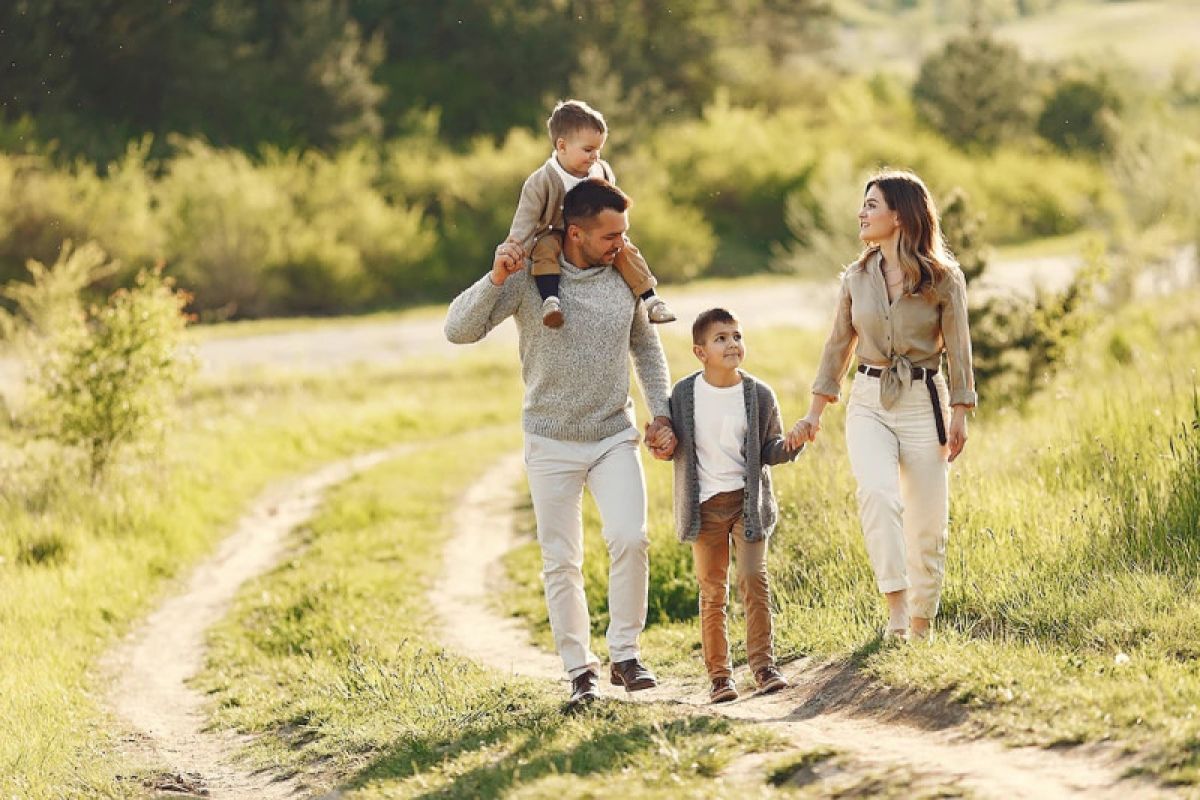
Jakarta — To develop a child’s personality characterised by warmth, care, and empathy, family harmony is an important factor. However, children growing up in less than ideal or not entirely harmonious family conditions can still develop such warm character traits.
Vera Itabiliana Hadiwidjojo, a clinical child and adolescent psychologist from the University of Indonesia’s Psychology Institute, states that what matters most is that a child has at least one caring adult figure who can provide consistent emotional support, whether from the family or another social environment.
“Many children also develop into warm individuals because they are influenced by other significant figures in their lives, such as teachers, grandparents, siblings or a supportive social environment. Most importantly, the child has at least one caring adult figure who is competent in child-rearing, can provide a sense of safety, support and acceptance consistently,” said Vera in an interview from Jakarta on Tuesday.
According to her, the presence of such a figure can form a strong foundation for the development of a child’s empathy, warmth and care towards others.
With the right approach, even children growing up in less than ideal environments can become individuals full of love and care for others.
“Children’s warm and caring character typically develops from an environment that provides emotional safety. A child who feels accepted, valued and loved for who they are will more readily develop empathy towards others,” explained Vera.
Children who feel accepted and loved unconditionally, even if they may not always receive perfect support from their family, can still develop empathy towards others.
Children who are accustomed to being treated with empathy will apply empathy to others. Parents or caregivers can be said to treat children with empathy when, according to Vera, they are willing to listen to and understand what the child is feeling.