
Cak Imin States BPJS Health Contributions Must Increase to Stop Losses
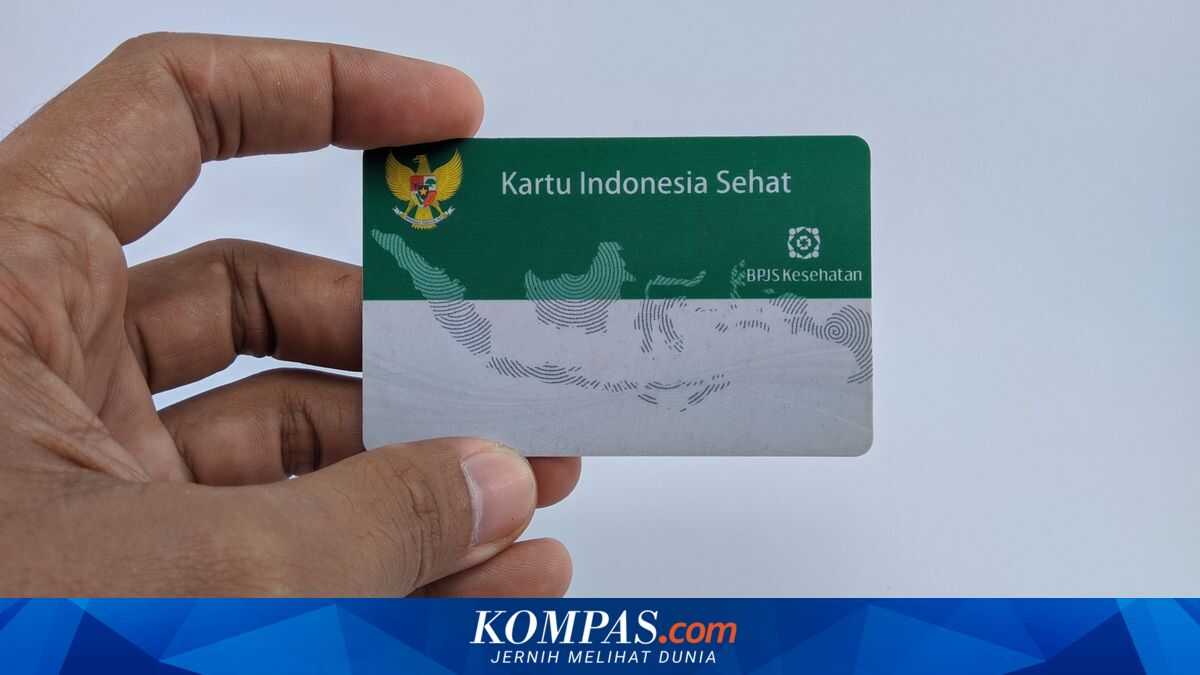
JAKARTA — The Coordinating Minister for People’s Empowerment, Muhaimin Iskandar, has stated that contributions to the National Health Insurance (Jaminan Kesehatan Nasional, JKN) or BPJS Kesehatan must be increased to prevent the institution from continuing to operate at a loss.
However, Cak Imin, as the minister is commonly known, has not yet disclosed when the BPJS premium increase will take effect or the amount of the increase.
“But when (will it be increased)? Well, we must also consider the people’s ability to pay and the needs to ensure BPJS does not continue losing money,” said Cak Imin at the University of Indonesia campus in Central Jakarta on Friday (27 February 2026).
Cak Imin noted that the government is currently covering more than 60 per cent of BPJS Kesehatan financing costs.
“Since the government is already covering more than 60 per cent, the government’s burden. Continuing this way, those who are able should help those who are weak,” he said.
Cak Imin continued, stating that BPJS contribution increases are necessary by calculation because they have been covered by the government.
“Not yet (increased), only calculations from the Health Minister. The calculation is indeed that improved services require an increase,” he said.
“This has been the case since last year. The analysis of the need for an increase has been ongoing since last year. However, given the conditions and circumstances, we decided not to increase it yet,” he added.
Previously, Health Minister Budi Gunadi Sadikin stated that the BPJS Kesehatan tariff increase can no longer be postponed because BPJS funds always run a deficit each year.
Due to the deficit, many hospitals are experiencing operational difficulties, which impacts the number of BPJS patients they can accept.
“BPJS currently faces a deficit of between Rp 20 and Rp 30 trillion. This will be covered this year from the central government budget with Rp 20 trillion, but this deficit will occur every year,” said Budi when met at the Ministry of Health office in South Jakarta on Wednesday (25 February 2026).
The BPJS Kesehatan contribution increase will target middle and upper-income households, with those in the bottom five income deciles (1-5) not affected by the new policy.
“The BPJS premium increase will have absolutely no impact on the poor. Because the poor are paid for by the government. If tariffs are increased, for poor people in deciles 1-5 there is no impact,” said Budi.