
Cak Imin: Mental Health Must Be Placed as Strategic Agenda
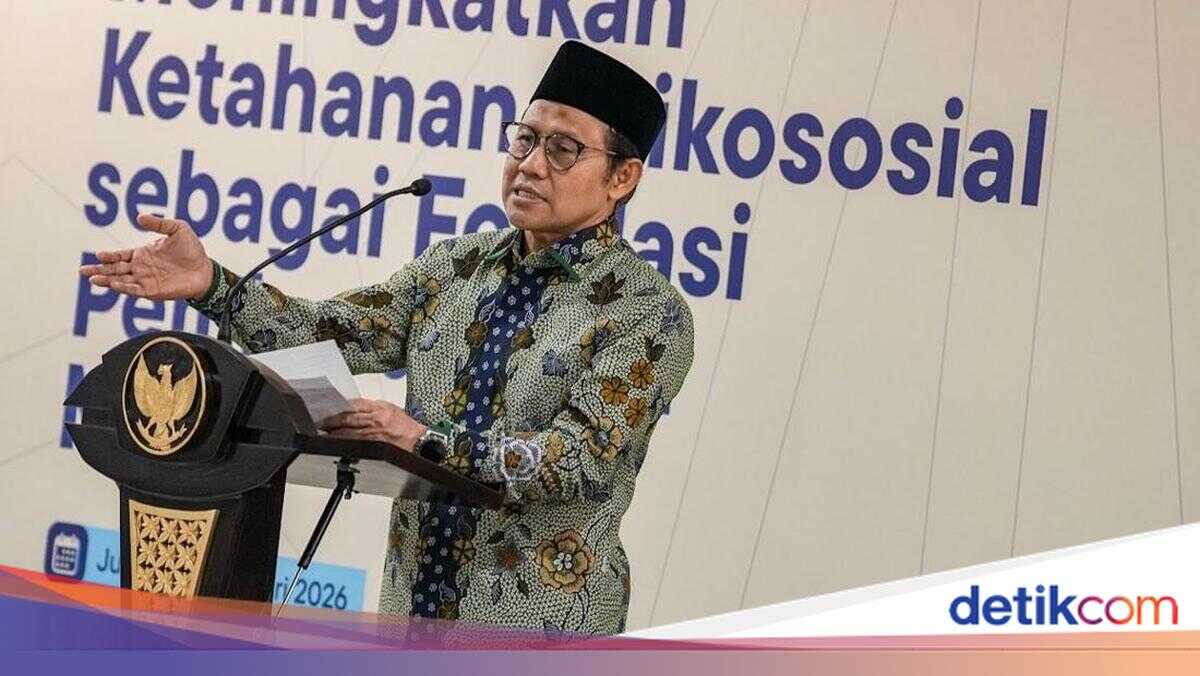
Coordinating Minister for Community Empowerment (Menko PM) A. Muhaimin Iskandar (Cak Imin) has assessed that the prevalence of tragic incidents recently, including cases of suicide among children and adolescents, represents a serious “alarm” for the nation. He stated that mental health must be positioned as a strategic agenda and shared responsibility.
“Once again, mental health becomes a strategic agenda and shared responsibility,” he said in a written statement on Saturday (28 February 2026).
This was conveyed during the Solidarity and Public Participation Dialogue titled “Enhancing Psychosocial Resilience as the Foundation for Community Empowerment” at the University of Indonesia, Salemba Campus, Jakarta.
Based on data from the Indonesian Ministry of Health, approximately 28 million Indonesians experience mental health problems. This figure indicates a complex and multidimensional issue, ranging from structural poverty, weakened social cohesion, to insufficient psychosocial support.
“This indicates the presence of a very concerning tip of the iceberg that could become more prevalent and more severe at any time,” added Cak Imin.
He explained that mental health disturbances do not stand alone but are triggered by various factors such as socio-economic pressure, structural poverty, weakened social cohesion, and low literacy and psychosocial support at the community level.
“That is the challenge we must address together to encourage and jointly overcome the consequences whilst we begin from the triggers of these very complex mental health disturbances,” he said.
Furthermore, Cak Imin emphasised the importance of a comprehensive approach, addressing not only impacts but also tackling the root causes systematically through regulatory strengthening, targeted budgetary policies, and sustained collaboration between government and non-governmental bodies.
According to him, community empowerment is not solely about economics but also about strengthening psychological welfare. Without psychosocial resilience, development will not be sustainable.
“When people are psychosocially resilient, they will become resilient, creative individuals, and certainly become a force that will be empowered,” he asserted.
During the activity held on Friday (27 February), he also expressed appreciation for activists and academics including Ida Fauzia from the University of Indonesia, whilst reaffirming that the government continues to strengthen access to mental health services through the National Health Insurance (JKN).
“Today we as citizens of this nation are obliged to work together to ensure that not a single person bears the burden alone but we have brothers and sisters, we have family, we are one unified body,” he concluded.