
Cabinet Secretary Teddy Says WFH Policy for Civil Servants and Fuel Savings Measures Are Dynamic
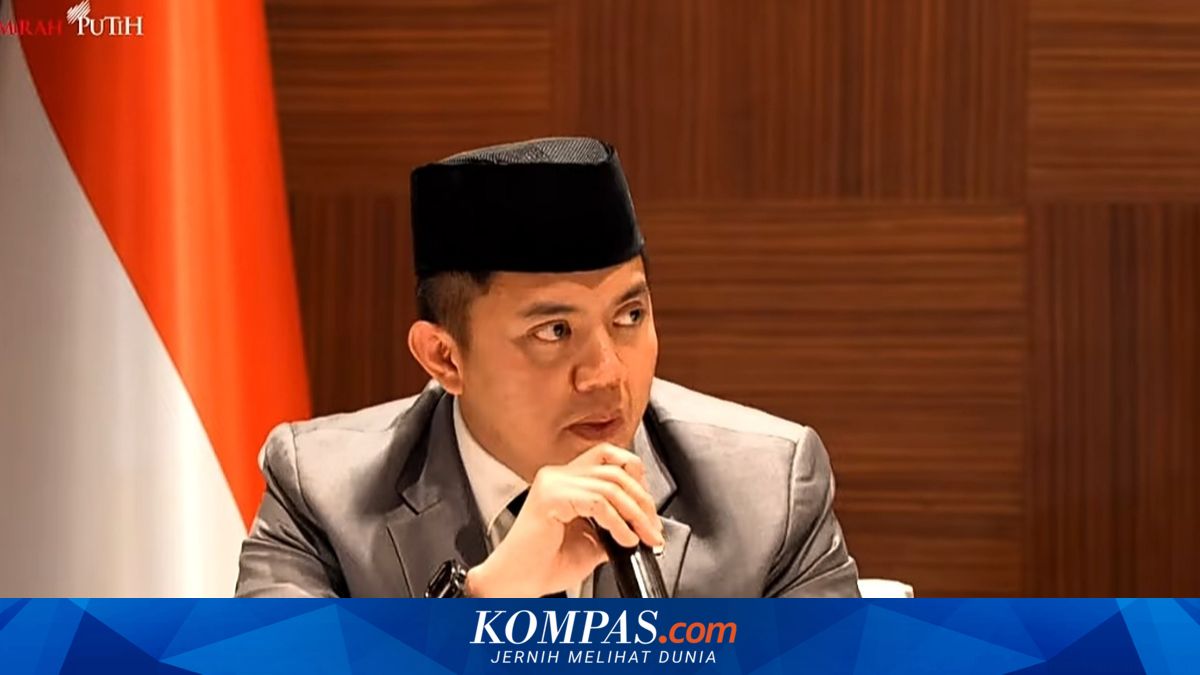
Cabinet Secretary (Seskab) Teddy Indra Wijaya stated that the work-from-home (WFH) policy for civil servants (ASN) is dynamic. This dynamic nature also applies to the government’s ongoing fuel (BBM) efficiency policy. “What is conveyed here is dynamic in nature; if there are any changes, they will certainly be communicated quickly by the government,” Teddy said during a press conference, quoted from the Presidential Secretariat’s YouTube broadcast on Tuesday (31/3/2026). “Let us remain calm, let us remain productive,” Teddy added. On that occasion, he urged the public and businesses to participate in and support the government’s fuel-saving culture amid the global crisis. “The government invites all of society and the business world to continue participating in supporting these steps to transform the work culture,” Teddy said. “The implementation of WFH for ASN in central and regional agencies is carried out for one working day per week, namely every Friday,” said Coordinating Minister for the Economy Airlangga Hartarto during a virtual press conference on Tuesday (31/3/2026). He explained that the four-day workweek policy has previously been implemented in several ministries and agencies during the Covid-19 pandemic. Airlangga also emphasised that public services will continue to operate despite the WFH policy every Friday. “Public services will continue to run, and productive activities including banking, capital markets, and others will continue to operate. Those in offices are permitted to arrange it using certain applications,” Airlangga said. Although there is WFH for ASN, several public service sectors are exempted from the work-from-home policy. Interior Minister (Mendagri) Tito Karnavian explained that the government considers these sectors to require the physical presence of personnel because they directly relate to the basic needs of the community. “Then cleanliness and waste management, population affairs, licensing, health, education, regional revenue, and other public services,” Tito clarified.