
BYD Claims its Driving Assistance System Reduces Serious Accident Rate by up to One-Sixth
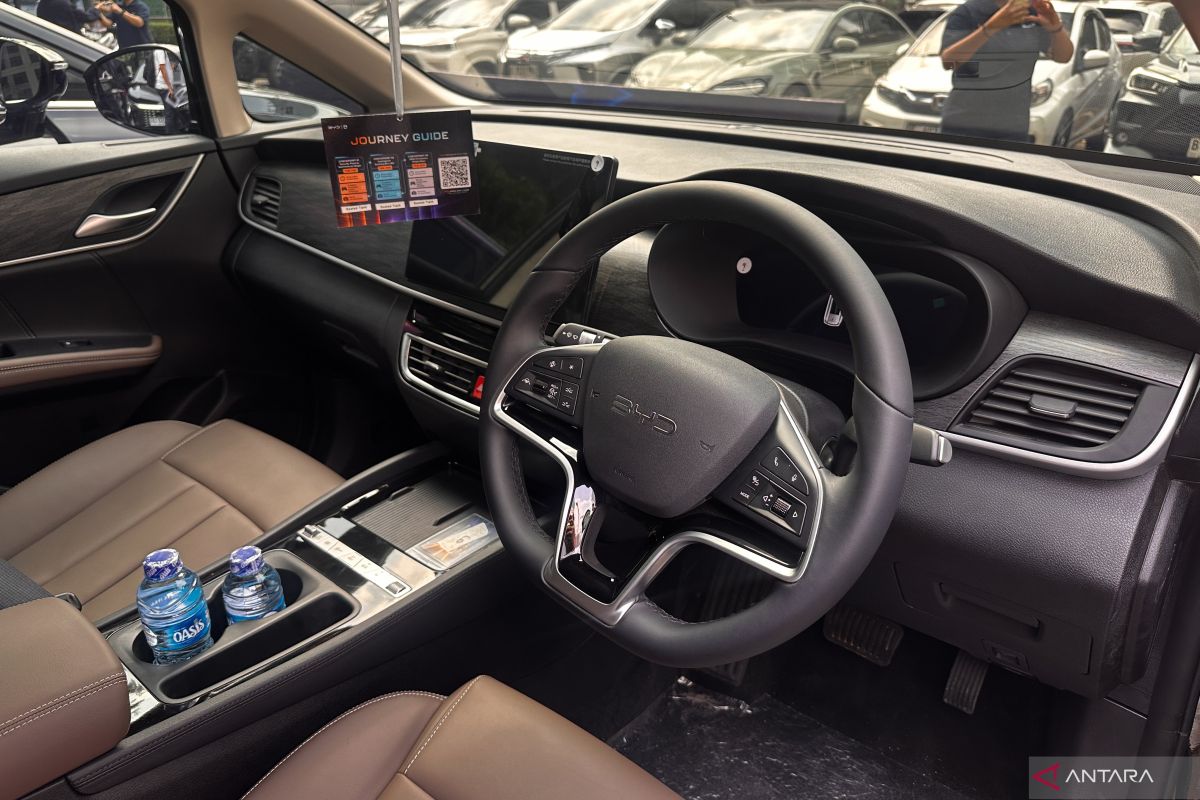
Chinese automotive manufacturer BYD has claimed that its driving assistance systems can reduce the rate of serious accidents to one-sixth compared to accidents involving human-driven vehicles.
Yang Dongsheng, senior vice president of BYD Group and head of the Automotive New Technology Research Institute, made the announcement at the 13th Intelligent Connected Vehicle Technology Annual Conference in Shanghai on 23 May, according to Car News China. The company’s driving assistance systems are now deployed across more than 60 vehicle models and nearly 3 million vehicles.
Based on the number of incidents triggering airbag deployment per 10 million kilometres, serious accident rates are reported to have declined to one-sixth compared to human-driven vehicle accident rates. Navigation assistance feature activation has exceeded 50 per cent, whilst parking assistance usage has reached 86 per cent.
BYD also reported that minor scratches and collisions during parking have declined by approximately one-fiftieth compared to incidents occurring during human-driven operation, thanks to its parking assistance system. The company attributed these improvements to its “God’s Eye” intelligent driving system and a parking assistance guarantee programme introduced in July 2025.
Yang stated that some of the system’s integration capabilities stem from BYD’s Xuanji Architecture, which combines electronic architecture and electrification systems into a single unified vehicle platform. BYD employs cloud-based world models and reinforcement learning for long-tail simulation training, supported by daily driving data production of 190 million kilometres. Yang noted that the company currently performs algorithm updates every three days.
The system combines visual occupancy network detection with lidar-based occupancy detection to identify suspended obstacles and potholes in parking scenarios. The Chinese automotive manufacturer also highlighted development for extreme conditions, including tyre blowouts at high speeds, rain, snow, and low-grip road surfaces.
Yang stated that BYD’s integrated intelligent-electric platform can stabilise vehicles within 200 milliseconds through the coordination of motor and chassis responses. Stability testing during tyre blowouts has exceeded speeds of 200 kilometres per hour in the company’s validation scenarios.
BYD also noted that it operates a dedicated proving ground for the development of parking assistance and driving assistance systems in order to combine simulation with physical testing. The company’s latest product launches increasingly integrate intelligent driving technology and fast-charging capabilities.