
Bybit CEO Ben Zhou Discusses Trust, AI, and the New Financial Platform at Paris Blockchain Week 2026
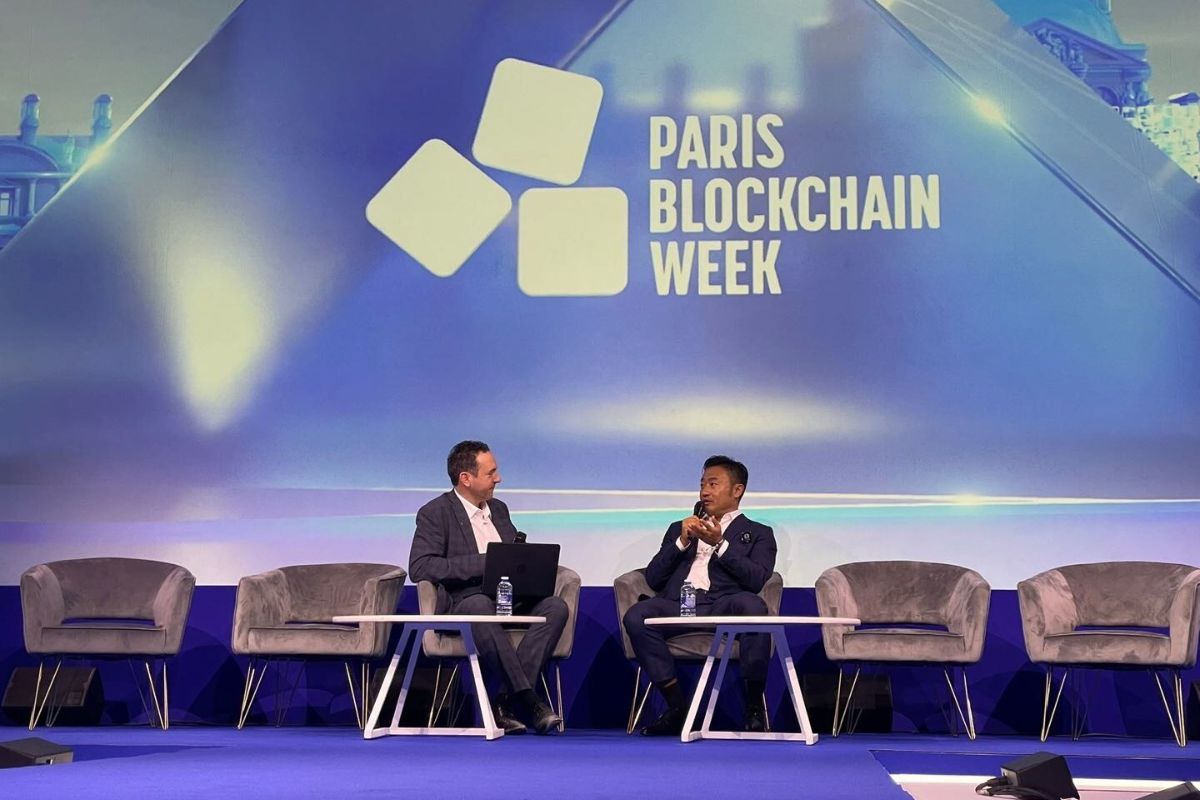
Dubai, United Arab Emirates, (ANTARA/PRNewswire) - What steps are needed to build a financial system trusted by billions of people, yet almost imperceptible in its presence?
This question opened the discussion session titled “Trust, Technology, and Transformation: Building the New Financial Platform for a Tokenised Economy”, when Co-founder & CEO of Bybit, Ben Zhou, appeared at Paris Blockchain Week 2026. He presented his vision for the future of the financial sector that is smarter, more accessible, and ultimately—invisible.
Rather than focusing on price cycles or short-term trends, Zhou believes the next phase will be marked by a fundamental overhaul of financial infrastructure, driven by the convergence of artificial intelligence, programmable assets, and regulatory clarity.
From Technology Interfaces to Intelligent Technology: The Emergence of Agentic Finance
Zhou questioned the conventional approach to user interactions with financial platforms. He assessed that in the future, users may no longer need to interact directly with platforms.
“We have introduced AI agent accounts so users can create sub-accounts for AI that will interact, execute strategies, and access market data,” said Zhou. “AI agent-based payment transactions (agentic payments) will become a major trend—and we are only at the early stage.”
Instead of managing transactions manually, users can delegate tasks to AI agents—systems capable of reading data, making decisions, and optimising outcomes directly. Currently, these applications focus on analysing and accessing data. In the future, their role could revolutionise transaction execution processes.
The implications are significant: technology interfaces will disappear, replaced by intelligent technology.
The Quiet Transformation in the Financial World
Amid public narratives still focused on “crypto”, Zhou highlighted more hidden yet significant changes.
Conventional financial institutions are no longer entering the crypto sector through speculation, but by adopting blockchain as infrastructure. Stablecoins, in particular, emerge as a bridge that accelerates payment transactions, making settlements efficient, and providing global liquidity access.
In many cases, Zhou explained, these institutions plan on crypto foundations without explicitly adopting that label.
This trend marks a turning point: crypto is no longer an alternative system, but is beginning to become part of the main foundation.
Trust as the Core Product
For Zhou, the biggest challenge—and primary opportunity—is not technology, but trust.
“In recent years, regulatory frameworks have become increasingly clear. Regions like the United Arab Emirates are pioneers in opening spaces for innovation and providing structured growth paths.”
From structured approaches in Europe to policy dynamics in the United States and the United Kingdom, regulatory clarity is no longer a barrier, but a catalyst.
As rules become clearer, institutions will follow. And as institutions enter, the system will mature.
A System That Works Without Being Seen
Zhou concluded his presentation with a perspective that affirms the ultimate goal of this industry:
“We do not want to replace the existing financial system, but to perfect it. We want to build infrastructure that makes financial services more accessible, efficient, and intuitive for users around the world.”
In his vision, the future is not a world where users constantly think about blockchain, digital wallets, or platforms. Instead, financial services will run seamlessly—integrated smoothly into everyday life.
In that future, trust is embedded in the system, intelligent technology works behind the scenes, and technology becomes nearly invisible.