
Business Operators in Badung Obliged to Process Their Own Organic Waste, Face Tipiring Penalties
The Badung Regency Government, through its enforcement team, will soon take firm legal action in the form of Tipiring (light criminal offence) sanctions against residents and business operators proven to violate waste separation regulations. This policy comes after the persuasive socialisation and education phase conducted since the beginning of the year, which is deemed sufficient time for the public to adapt.
“We have coordinated with the enforcement team, particularly Satpol PP, and received information that several violations will soon be subject to Tipiring. We’ll just wait and see; we are not authorised to disclose details as that falls under the Tipiring team’s jurisdiction,” said Acting Head of the Environmental and Cleanliness Service (DLHK) of Badung, I Made Agus Aryawan, after a meeting with Commission II of the Badung DPRD on Monday (13/4/2026).
This law enforcement measure will start with the issuance of written warnings and administrative sanctions for parties found not separating organic and inorganic waste. However, if such warnings are ignored, the government will not hesitate to escalate to judicial enforcement to create a deterrent effect.
“If those efforts have been made and violations still occur, we will clearly take steps to enforce the law. Of course, law enforcement starts with written warnings first, followed by administrative sanctions,” stated Agus Aryawan.
Currently, strict supervision is being focused on the hotel, restaurant, and café (horeka) sector, which is the second largest contributor of organic waste after households. DLHK teams and civil servants have been deployed to ensure that every business premises has waste separation facilities and processes organic waste independently in accordance with applicable provisions.
“Starting two weeks ago, we have targeted business operators, particularly horeka, because their contribution to organic waste production ranks second after households. Therefore, our directive involves all components, including civil servants, to provide further education to horeka, but we prioritise a persuasive approach first,” he explained.
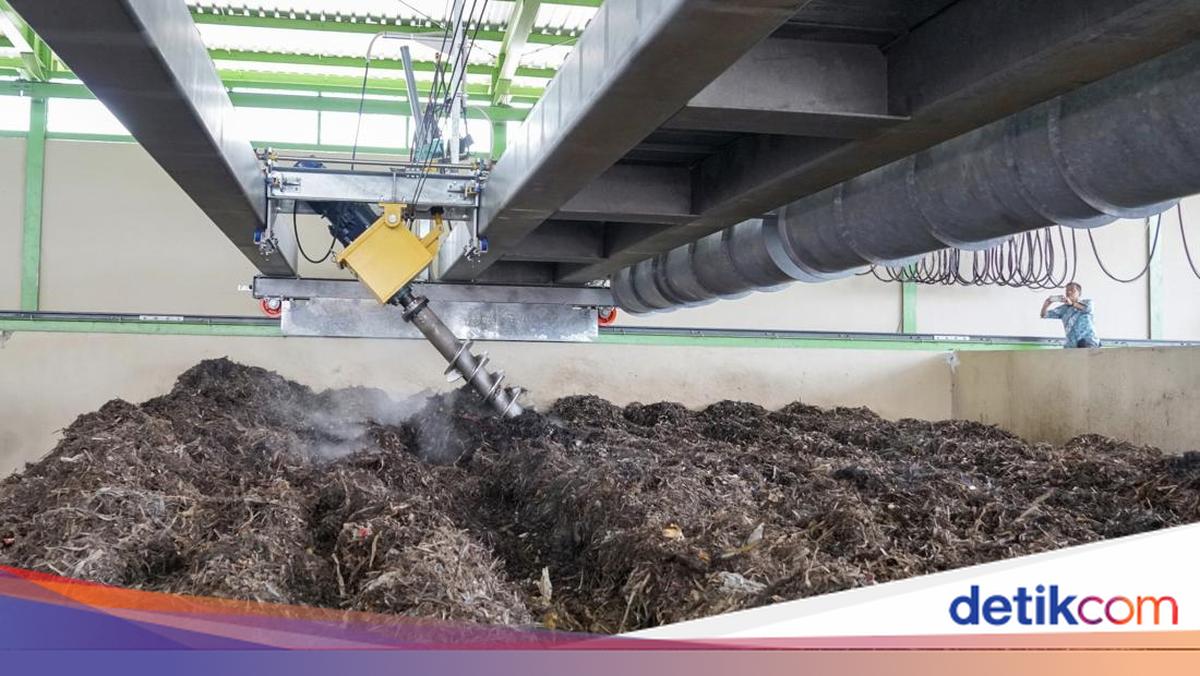
Business operators are obliged to ensure that their organic waste is fully processed into compost or other products, either managed independently or in collaboration with third parties. If field inspections reveal evidence of violations regarding waste management obligations, repressive actions will be immediately enforced.
“However, if the inspection results show that business operators do not comply and there is evidence of breaching waste management provisions—at minimum, they must have separation bins, sort the waste, and process organic waste specifically. Thus, organic waste is an obligation for business operators to sort and process it; collaboration is allowed, but it must result in compost or other materials,” concluded Agus Aryawan.