
Business Leaders Concerned That Strict Nicotine and Tar Limits Will Fuel Illegal Cigarette Smuggling into Indonesia
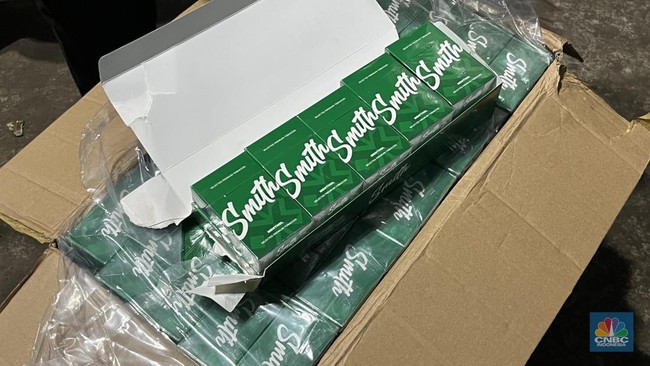
Jakarta – Tobacco industry executives have expressed concern that the government’s plan to establish maximum limits on nicotine and tar content in cigarettes risks triggering a surge in illegal cigarette trafficking. Industry representatives have cautioned that excessively strict regulations could instead divert consumption to uncontrolled products.
Business leaders assess that Indonesia’s cigarette market has different characteristics compared to other countries and therefore requires a more contextualised policy approach.
As reported, the government is currently reviewing regulations to establish maximum limits on nicotine and tar in cigarettes. Under the proposed regulations, the government would set a maximum nicotine content of 1 milligram (mg) and tar of 10 mg per cigarette stick.
These regulations, which derive from Government Regulation Number 28 of 2024, are considered potentially disruptive to Indonesia’s tobacco industry ecosystem across the entire supply chain.
Benny Wachjudi, chairman of the Indonesian White Cigarette Manufacturers Association (GAPRINDO), stated that excessively low restrictions on nicotine and tar content risk making it difficult for local raw materials to be absorbed by the industry.
“If nicotine is set very low, our farmers’ tobacco will not be absorbed by the industry. As a result, the crop cannot be used,” said Benny during a press conference in Jakarta on Tuesday, 10 March 2026.
This situation could create unintended consequences unwelcome to the government.
“If tobacco is not absorbed, farmers still need to survive. It is possible that eventually it could be sold to illegal cigarette manufacturers because illegal operators do not need to comply with regulations,” he stated.
Policies that excessively burden legal industry operators can create opportunities for illegal manufacturers to flourish. This situation is dangerous because illegal products operate outside government oversight.
“Legal operators are made to struggle, while illegal ones do not comply with any regulations whatsoever. That is what concerns us,” he said.
Additionally, the proposed regulations regarding additives in cigarettes are considered to have potentially far-reaching impacts on various types of tobacco products. Many cigarette products use specific additives to maintain flavour characteristics.
“If additives like menthol are banned, white cigarette manufacturers will also face difficulties,” he noted.
He also highlighted concerns about the proposed plain packaging policy, which could facilitate product counterfeiting.
“If all packaging is made identical without logos, it is actually easier to counterfeit and harder to distinguish between genuine and fake products,” said Benny.