
Business Leader Speaks Out on Illegal Levies Disguised as Eid Bonuses Ahead of Lebaran
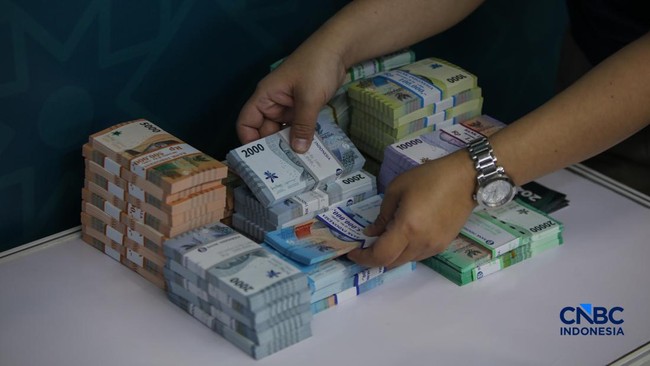
Demands for illegal levies (pungli) disguised as Eid holiday bonuses (THR) from companies by various officials have become a matter of concern ahead of Lebaran. Although this practice has attracted many complaints from the business community, a significant number of companies choose to resolve it independently without reporting it to the authorities.
Bob Azam, head of labour affairs at the Indonesian Employers Association (APINDO), has revealed the primary reason behind this attitude. According to him, in many cases the individuals making such demands are actually local government officials.
“How can we report it if the demand comes from local officials?” Bob said to CNBC Indonesia on Friday (13 March 2026).
This situation puts business owners in a difficult position. On one hand they feel disturbed, but on the other hand reporting the case risks creating new problems in their relationship with the local community.
According to Bob, this situation ultimately leads companies to choose the most practical route: resolving the matter directly without prolonging the issue. Moreover, such demands are often presented as if they were voluntary.
“Especially when they often claim it is voluntary, with no coercion,” he said.
With such a narrative, companies often struggle to prove there was any element of coercion. Yet in practice, such demands can create psychological pressure on business owners.
This phenomenon often involves groups of people who come together. Their presence in large numbers often makes business owners feel uncomfortable and prompts them to hand over money to end the situation quickly.
Bob believes this situation demonstrates weak oversight of such levies at the local level. Without clear regulations and firm law enforcement, the practice will continue to repeat itself every year.
He stressed that the government should not merely issue appeals, but should also create regulations that explicitly prohibit such levies.
“There should be proactive action from the government to prohibit any form of levies under the guise of THR,” said Bob.
According to him, a concrete step that could be taken is to establish firm regulations regarding the prohibition of levies outside official obligations such as taxes and retribution fees.
“Create regulations prohibiting levies outside taxes and retribution,” Bob insisted.