
Business Climate Reform Bolsters Investor Confidence in Indonesia
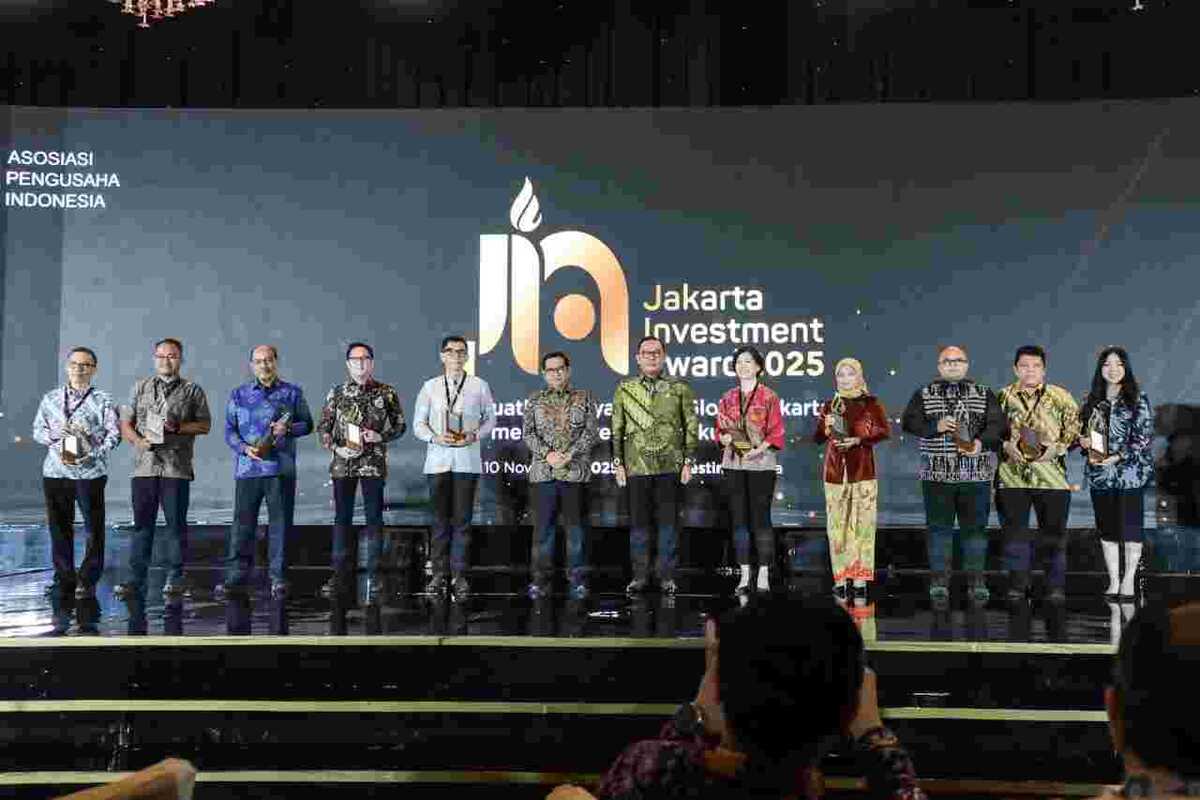
JAKARTA — The commitment to strengthening the national business climate is being increasingly affirmed as the primary foundation for maintaining Indonesia’s investment stability. Various stakeholders believe that market dynamics are in fact driving the acceleration of structural reforms to make the national economy more robust, adaptive, and globally competitive.
Edy Prasetyono, a lecturer at the Department of International Relations at the University of Indonesia, stressed that strengthening governance and transparency constitutes a strategic step to ensure Indonesia’s economy grows on a sound foundation. “Improvements are being made as part of national consolidation. The aim is not merely to meet global standards, but to ensure Indonesia’s economy is truly strong and self-reliant,” he said.
According to Edy, enhancing the quality of regulation, accountability, and market integrity will strengthen long-term investor confidence. He assessed that Indonesia has the capacity to continue refining its national economic system so that it can compete on equal footing within the global financial architecture.
A similar view was expressed by Mervin Goklas Hamonangan, a researcher at the Institute for Economic and Social Research at the Faculty of Economics and Business, University of Indonesia. He noted that past experiences with global market dynamics have provided valuable lessons for Indonesia in deepening domestic financial markets and broadening the investment base. “Indonesia is increasingly mature in managing global volatility. Fiscal resilience, monetary stability, and policy coordination are now far more solid,” he said.
He added that strengthening the business climate also means promoting diversification of investment partners and expanding domestic investor participation. In this way, the development financing structure does not depend on a single source, but rests upon the strength of the national economy itself.
Meanwhile, M. Habib Abiyan Dzakwan, a researcher at the Department of International Relations at CSIS, emphasised the importance of building optimism grounded in internal evaluation. “We need to cultivate a mindset of looking inward to continuously improve. Every moment is an opportunity to refine the system so that it becomes more credible and competitive,” he said.
Habib assessed that business climate improvements must be carried out comprehensively, encompassing legal certainty, regulatory consistency, and cross-sectoral coordination. According to him, investors require guarantees of long-term stability. “Investors commit capital over long time horizons. Regulatory certainty and law enforcement are the primary factors in building that confidence,” he said.
Strengthening the role of cross-ministerial coordination, including the coordination of economic and diplomatic aspects, was also deemed important to ensure national interests are protected in global interactions. Consistent reform will reinforce Indonesia’s position as a safe and prospective investment destination in the region.
The academics concurred that business climate improvement is not merely a response to market dynamics, but a long-term strategy to strengthen economic sovereignty. With increasingly transparent governance, regulatory certainty, and well-maintained macroeconomic stability, Indonesia is believed to be capable of sustaining its growth momentum and making investment a primary pillar of sustainable development.