
Burangkeng Landfill Overloaded, Bekasi Regency Plans to Process Waste into RDF
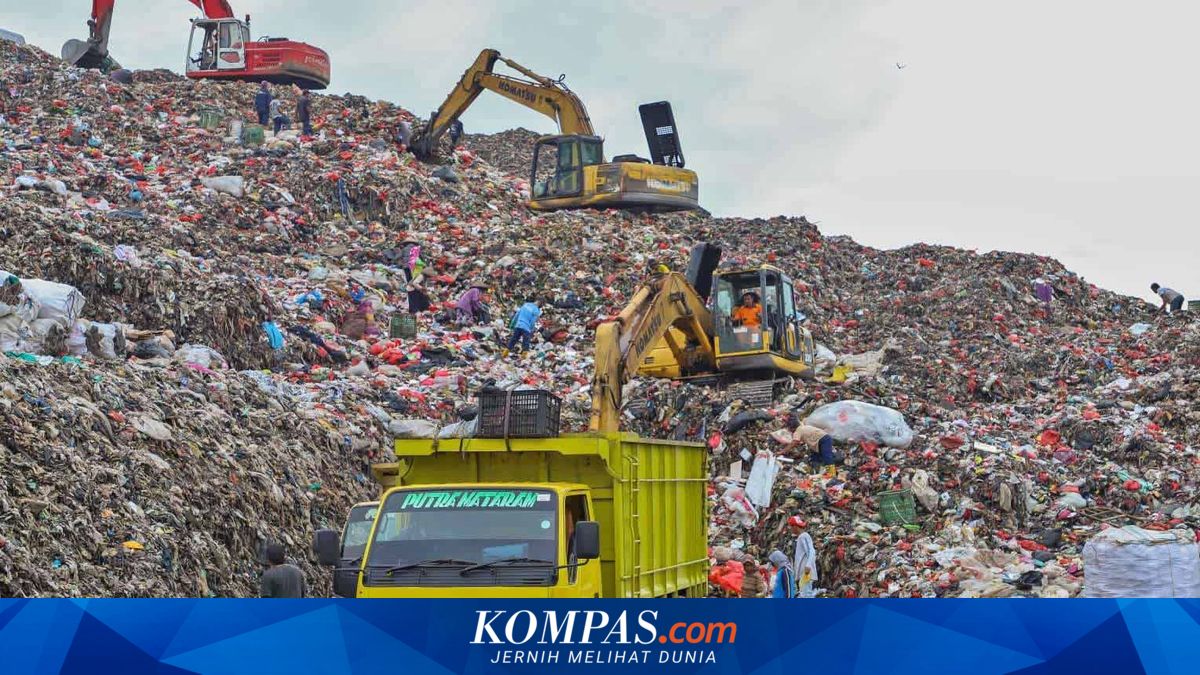
The Burangkeng Final Disposal Site (TPA) in Setu District, Bekasi Regency, is experiencing overload due to the continuously increasing volume of waste each day. The Burangkeng TPA accommodates waste from 23 districts in Bekasi Regency, making its management burden increasingly heavy. Under normal conditions, the incoming waste volume reaches 600 to 700 tonnes per day. Even, at certain moments such as after long holidays, the amount can surge to nearly 800 tonnes per day. “Currently, we are discussing a collaboration scheme with the private sector. The focus of this cooperation is processing the piles of old waste that have accumulated at the site,” said the Head of the Bekasi Regency Environmental Office, Syafri Donny Sirait, in an official release on Tuesday (7/4/2026). Syafri explained that the collaboration will focus on processing waste using Refuse Derived Fuel (RDF) technology, which converts waste into alternative fuel. With this method, Syafri hopes that the waste piles, which have long been a burden, can be processed into economically valuable commodities. Even, if the programme runs optimally, the old waste stockpiles at the Burangkeng TPA can be broken down in about five years. “Usually, there is a tipping fee that the government must pay. However, in this scheme, there is none; even the land is leased, thus adding to the region’s original income,” said Sukmawatty. She added that the investment value from the private sector is estimated to exceed Rp 200 billion. This investment covers the construction of facilities, procurement of machinery, to operations, with a targeted processing capacity of 1,000 tonnes of waste per day. Sukmawatty revealed that the main goal of managing waste into RDF is to extend the operational life of the Burangkeng TPA, which is currently under pressure from surging waste volumes. “Residents are also urged to continue sorting waste at the source. They can separate organic and inorganic waste, and utilise waste banks,” said Sukmawatty. Through collaboration between the government, private sector, and community, the waste problem in Bekasi Regency is expected to be handled more sustainably.