
BUMI-RMKE partnership opens coal logistics revenue opportunity in South Sumatra
PT Bumi Resources Tbk (BUMI), through its subsidiary PT Pendopo Energi Batubara (PEB), has signed a memorandum of understanding (MoU) with PT RMK Energy Tbk (RMKE) to develop mining infrastructure and optimise coal logistics in South Sumatra.
The collaboration aims to integrate RMKE’s logistics network with PEB’s mining areas, making coal distribution from mine to port more efficient.
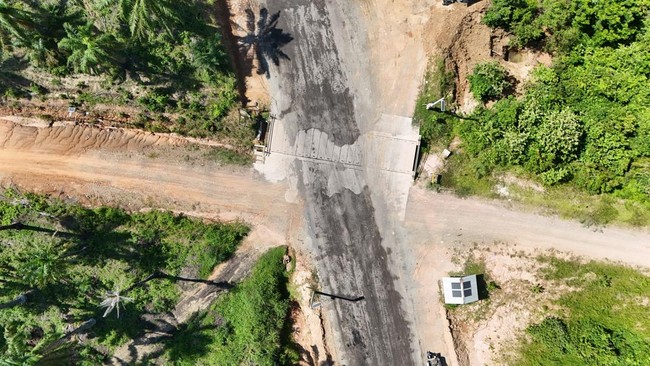
Under this scheme, RMKE will construct various important infrastructure facilities including haul roads and loading stations located near PEB’s mining area in Penukal Abab Lematang Ilir District (PALI), South Sumatra. These facilities will become RMKE assets, whilst PEB is granted the right to use them in mining operations.
In addition to infrastructure development, the collaboration also includes a more integrated coal supply chain arrangement. PEB will sell a portion of its coal production to RMKE, with volumes to be agreed upon in a subsequent definitive agreement.
Coal transportation from mine to port will utilise a railway-based logistics system through RMKE’s collaboration with PT Kereta Api Indonesia. This system is expected to make coal distribution more efficient, from mine, loading station, rail transport, to export port.
The collaboration also provides strategic value for RMKE because PEB will use RMKE’s port facilities for coal shipments whilst utilising infrastructure built by RMKE. This means RMKE will generate revenue not only from logistics services but also from port usage and potential coal trading.
The company notes that PEB is one of five new clients that will connect to RMKE’s logistics network, supporting its target coal transport volume of 12.7 million tonnes and coal sales target of 3.6 million tonnes.
For BUMI through its PEB subsidiary, the collaboration helps facilitate coal distribution from mining areas to market. More integrated logistics infrastructure can reduce transportation costs and accelerate shipment, potentially improving mining operational efficiency. With RMKE’s existing logistics network, PEB avoids making large investments in developing its own transport infrastructure.
For RMKE, the collaboration has potential for more significant business growth impact. The haul roads and loading stations that become company assets will expand RMKE’s logistics network in South Sumatra whilst improving utilisation of existing facilities such as railway networks and ports. With more clients directly connected to its infrastructure, RMKE stands to generate recurring income from multiple business lines, ranging from logistics services, port operations, to potential coal trading.
One of the most attractive aspects of this collaboration is the exclusive use agreement for RMKE’s port facilities whilst PEB utilises the infrastructure built by RMKE. This scheme indirectly creates a relatively stable long-term business relationship because coal from PEB’s mining operations will likely continue using RMKE’s logistics route, from haul roads, loading stations, railways, to ports.
This type of model is often called a “lock-in client” in logistics infrastructure business. Once a mine is directly connected to a particular logistics network, it becomes difficult for the mining company to switch to another logistics provider as this would require additional investment to establish a new route. As a result, logistics companies like RMKE can obtain a relatively stable revenue stream over the long term.