
Bulog to Build Modern Facilities to Strengthen Post-Harvest Processing
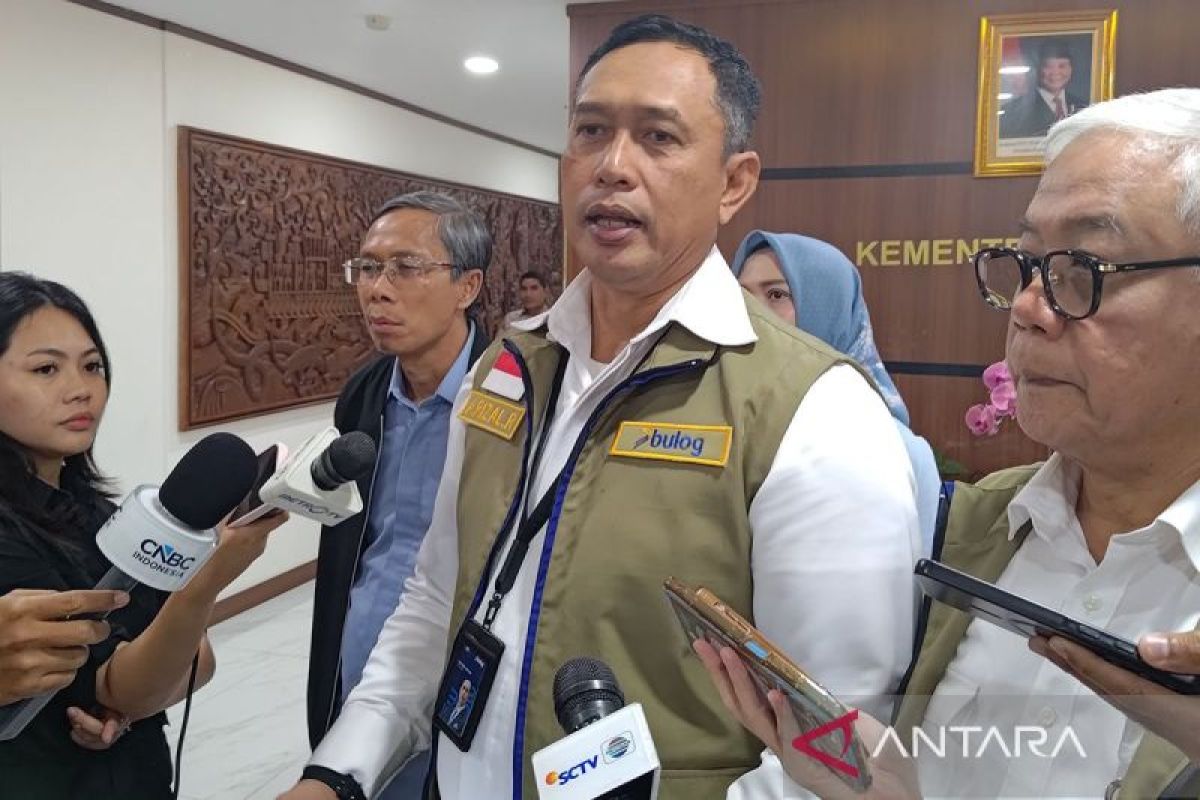
Jakarta (ANTARA) - Perum Bulog is preparing the construction of various modern facilities as part of the development of 100 post-harvest infrastructures to improve the quality of processing and storage of food commodities.
The President Director of Perum Bulog, Ahmad Rizal Ramdhani, stated that these facilities encompass technology-based storage and processing means.
“For storage facilities, 94 warehouse units, 6 paddy silos, 8 corn silos,” said Ahmad after a limited meeting at the Office of the Coordinating Ministry for Food Affairs in Jakarta on Wednesday.
He explained that silos are used to store paddy and corn for longer periods compared to conventional storage.
According to him, in addition to storage facilities, Bulog will also build harvest processing facilities.
He then mentioned that there will be 17 dryer units, 17 rice milling units (RMU), and eight corn dryers to be built.
“For processing facilities, we are preparing dryers, RMUs, and rice processing centres equipped with packaging facilities,” he said.
In addition, Bulog is preparing nine rice processing centres to support the production and distribution processes.
According to him, these facilities will be supported by mechanisation and automation to increase operational efficiency.
“Later, among these rice processing production centres, we will use mechanisation and automation, so the direction is towards that,” he added.
He further stated that this development is part of Bulog’s transformation towards a modern food management system.
With the strengthening of these facilities, Bulog targets an improvement in food product quality and efficiency in the national supply chain.
“It is hoped that state-owned facilities will not be inferior to private facilities,” said Ahmad.
The construction of this post-harvest infrastructure is planned to use a budget of around Rp5 trillion, with an allocation of approximately Rp4.4 trillion for the main infrastructure construction and Rp0.56 trillion for mechanisation, automation, and information technology.
This effort to strengthen post-harvest infrastructure aligns with the government’s programme to reduce harvest losses (food loss) that have so far occurred at the storage and distribution stages.
Research by the National Research and Innovation Agency (BRIN) indicates that the potential for agricultural harvest losses can reach 30-50% at various production and distribution stages if not handled properly.
The development of these modern facilities is also expected to support the stabilisation of food supply and prices, especially during peak harvest periods and when distribution disruptions occur due to weather or logistical factors.