
Bulog CEO: 88 Post-Harvest Infrastructure Points Technically Ready
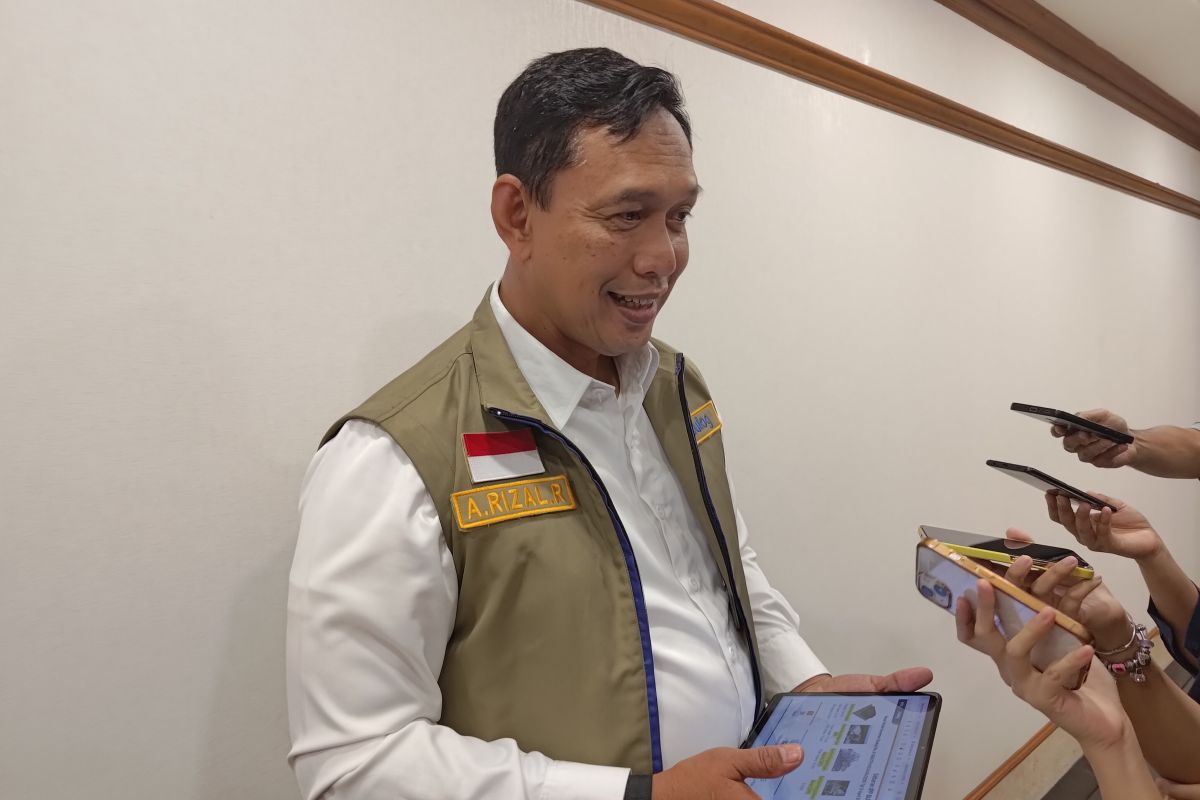
Post-harvest infrastructure development is adapted to the typology of each region.
Jakarta (ANTARA) - Perum Bulog states that 88 points of post-harvest infrastructure development are technically ready and in the stage of further discussion from the government’s planned target of 100 points as part of strengthening national food security.
Bulog President Director Ahmad Rizal Ramdhani said there are still 12 points in the process of completion before the entire target is set.
“We have cleared 88 points. Only 12 points left, 12 regencies/cities that are not yet cleared. Since the target is 100, we will first discuss the technical aspects so that it totals 100,” Ahmad said after a limited coordination meeting at the Coordinating Ministry for Food, Jakarta, on Monday.
He explained that the resolution of the remaining points is still being discussed in technical meetings to ensure all locations meet administrative readiness and construction needs.
“Post-harvest infrastructure development is adapted to the typology of the region,” he stated.
Ahmad gave an example that in island regions like Natuna, which do not have agricultural land, the development is focused on providing warehouses to support food distribution.
Meanwhile, in rice production centres like Grobogan, the development includes additional warehouses, drying facilities (dryers), rice milling units (RMU), and packaging facilities.
“If the region indeed cannot be planted there, only an island, like in North Maluku, then perhaps only warehouses are built, like that,” he said.
He explained that the total planned post-harvest infrastructure development reaches 108 units spread across 92 regencies/cities throughout Indonesia, consisting of 94 warehouses, 6 paddy silos, and 8 corn silos.
According to him, the development is still awaiting final approval from the Coordinating Ministry (Kemenko) for Food as well as technical considerations from the Ministry of Agriculture and the Ministry of Public Works.
“After it is hammered out and approved by the Kemenko for Food, and we are asking for technical considerations from the Ministry of Agriculture as the technical ministry, and also from the Public Works friends, what the specifications are and so on, so that we don’t make mistakes,” he revealed.
Ahmad added that this step is part of the government’s efforts to strengthen post-harvest infrastructure to improve the efficiency of handling agricultural products and maintain the stability of the national food supply.