
Bulog Absorbs 30 Tonnes of Flood-Affected Rice Paddy from Grobogan; Farmers Urged to Sift and Air-Dry
State-owned enterprise Perum Bulog has absorbed approximately 30 tonnes of rice paddy from flood-affected areas in Central Java within a single day of procurement on Thursday, 26 February. The paddy remained purchased at the Government Purchase Price (HPP) of Rp6,500 per kilogram despite reduced quality resulting from mud inundation.
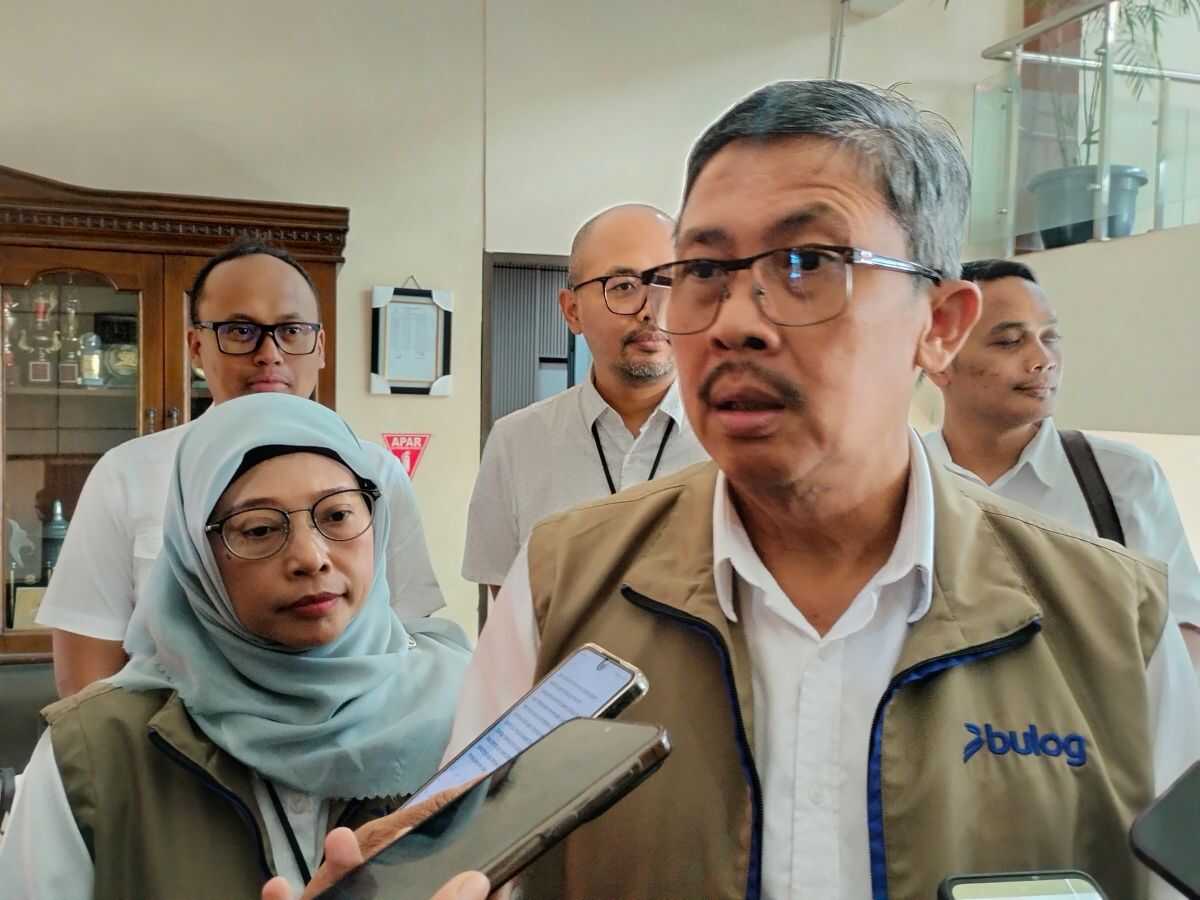
Prihasto Setyanto, Perum Bulog’s Procurement Director, stated that the company conducted direct site visits to monitor absorption processes in flood-affected locations. This measure was undertaken to maintain stable farm-gate prices amid harvest season and extreme weather conditions. “Yesterday alone we absorbed approximately 30 tonnes from flood-affected areas,” he stated during the Food Coordination Meeting in Semarang on Wednesday, 27 February 2026.
Physically, the paddy appeared dirtier and slightly darkened due to mud and straw contamination. However, because flooding did not persist for extended periods, the grain condition was deemed sufficiently sound for processing into rice. “Looking at the grain individually, the paddy is large-sized because it is approaching harvest maturity. The only issue is the slightly dark colouration from mud and extensive straw mixture,” he explained.
Prihasto reaffirmed that Bulog maintained purchases according to the HPP of Rp6,500 per kilogram. Should other areas experience similar conditions, Bulog stands ready to conduct absorption provided official notification is received from local agricultural services.
“We are prepared to conduct absorption provided notification from agricultural services. Bulog will certainly be present,” he asserted.
He also emphasised the importance of preliminary handling before paddy is sold to Bulog or milling partners. Excessively wet paddy with excessive debris risks damaging drying machinery. “If paddy is overly wet or contains excessive straw and debris, the milling partners suffer because their drying machinery can be damaged,” he noted.
Farmers in flood-affected areas were advised to sift paddy first to reduce debris and straw. Additionally, paddy requires air-drying to ensure moisture content is not excessive when entering the drying process. “Sift first, air-dry first so that processing is easier and does not damage drying equipment,” he explained.
Beyond paddy, Bulog Central Java recorded maize absorption during January–February 2026 reaching 4,700 tonnes. The maize absorption target for Central Java through December 2026 was set at 70,000 tonnes and is expected to be achieved through field absorption optimisation.
Perum Bulog North Bengkulu, Bengkulu Province, has implemented a farmer paddy and maize absorption programme reaching 86,859 tonnes during 2025.