
Buleleng Regency Maps Out Disease Outbreak Threats, Beware of Transmission from Hajj-Umrah Pilgrims
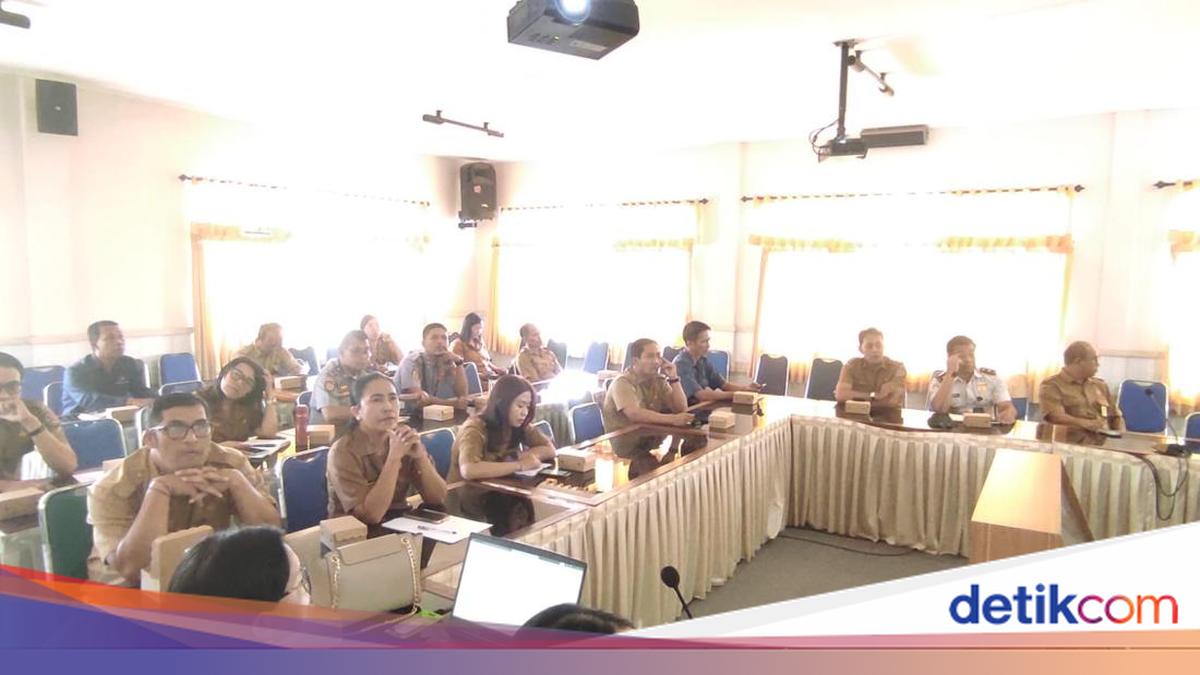
The Buleleng Regency Government (Pemkab Buleleng) is tightening its preparedness to face the potential for disease outbreaks. The Buleleng Health Office (Dinkes Buleleng) is conducting a mapping of risks for emerging infectious diseases (PIE) to ensure the region is no longer caught off guard when threats arise.
The meeting on this mapping was held by the Buleleng Health Office on Monday (4/5/2026). Four types of diseases received priority attention in this mapping, namely COVID-19, avian influenza, Middle East Respiratory Syndrome Coronavirus (MERS-CoV), and meningococcal meningitis.
The Head of the Surveillance and Immunisation Working Team at Dinkes Buleleng, Nyoman Suardani, stated that risk mapping is key to objectively measuring the region’s preparedness.
“This is a routine annual evaluation. The goal is clear: so that when cases arise, we are no longer unprepared as we were at the start of the COVID-19 pandemic,” Suardani emphasised.
Suardani stressed that the pandemic experience has been an expensive lesson. Health system preparedness, from vaccination to case handling, must continue to be strengthened and not neglected.
From the preliminary presentation results, Dinkes Buleleng identified one crucial gap, namely the health contingency plan that is not yet optimal. Yet, this document serves as the main guide during emergencies. “Without a strong contingency plan, our response will not be maximal,” he said.
This risk mapping was compiled based on cross-OPD data collected since 11 March 2026. The analysis was conducted using three main indicators: threats, vulnerability, and capacity.
Pemkab Buleleng, Suardani continued, will focus interventions on aspects of vulnerability and capacity that can still be strengthened through policies and concrete steps.
In addition to internal factors, the mobility of Hajj and Umrah pilgrims is also on the surveillance radar. Buleleng sent 109 regular Hajj pilgrims this year, not including Umrah.
This movement is considered to potentially bring transmission risks for diseases such as MERS-CoV and meningococcal meningitis from Saudi Arabia. “This is a real risk factor that must be anticipated together,” Suardani added.
The compiled risk mapping document will be uploaded to the Ministry of Health (Kemenkes) system and serve as a reference for all regional apparatus organisations (OPD). This document is updated annually, while the contingency plan applies for three years. Participants in the document are also asked to provide input to make it more operational, from wording to implementation timelines.