
Buleleng Becomes Pilot Project for Social Assistance Digitalisation via Perlinsos
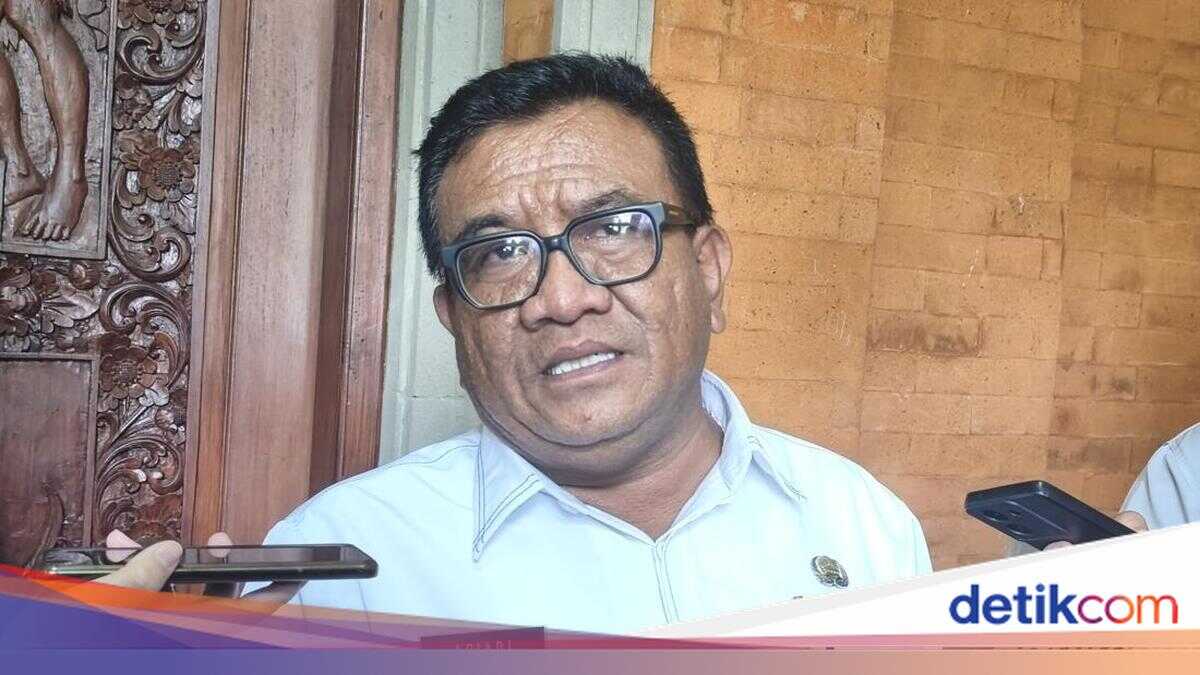
The Buleleng Regency government is accelerating the digitalisation of social assistance (bansos). Around 2,600 agents are being prepared to assist residents in registering through the Perlinsos Social Protection application. This follows the updating of the National Social-Economic Integrated Data (DTSEN), which is now the new reference to replace the DTKS. Bali, including Buleleng, has been designated by the central government as a pilot region for the digitalisation of social assistance. Putu Ariadi Pribadi, Assistant for Government and Welfare Affairs of the Buleleng Regional Secretariat, said the local government is currently collaborating with the Central Statistics Agency (BPS) for verification and data updates. ‘For DTSEN, the authority lies with BPS, so we are collaborating. In May there will be another census for data updating,’ Ariadi said after attending a poverty alleviation meeting at the Buleleng DPRD on Wednesday (4/3/2026). In the future, residents will register independently via the Perlinsos app. However, the local government recognises that not all residents, particularly poor families, are digitally literate or own smartphones. Therefore, agents will be prepared in every village to assist. ‘This is what we are preparing: agents. These agents will assist the head of the household to register on the Perlinsos app,’ he explained. The Perlinsos app will be integrated across agencies, from the National Land Agency (BPN), Samsat (Motor Vehicle Tax), to banking. The system will automatically read the assets and financial data of prospective beneficiaries. ‘If someone claims they cannot afford it but actually has savings or vehicle assets, the system will read that. You cannot lie,’ Ariadi asserted. At present, the Buleleng government is still in the stage of selecting agents. The plan is for agents to include PKH facilitators, social services staff as operators, and possibly dasa wisma. Agents must have a Digital Population Identity (IKD) installed on their mobile phones because the system will connect to various services. ‘The phone must have IKD installed. Agents must be digitally literate and have the necessary equipment,’ he said. Based on data, Buleleng has around 264,000 heads of households (KK). With one agent assisting 100 KK, the need for agents is estimated at around 2,600 or more. The rollout of the Perlinsos app is targeted to begin in April 2026. Currently, the stages include designating agents per village, inputting data, and technical socialisation. Regarding the remuneration for agents, Ariadi said this would be coordinated further. ‘We hope agents will be based in villages to be closer to the community,’ he concluded.