
Bukit Asam's Profits Plunge 43% Amid Surge in Fuel Prices
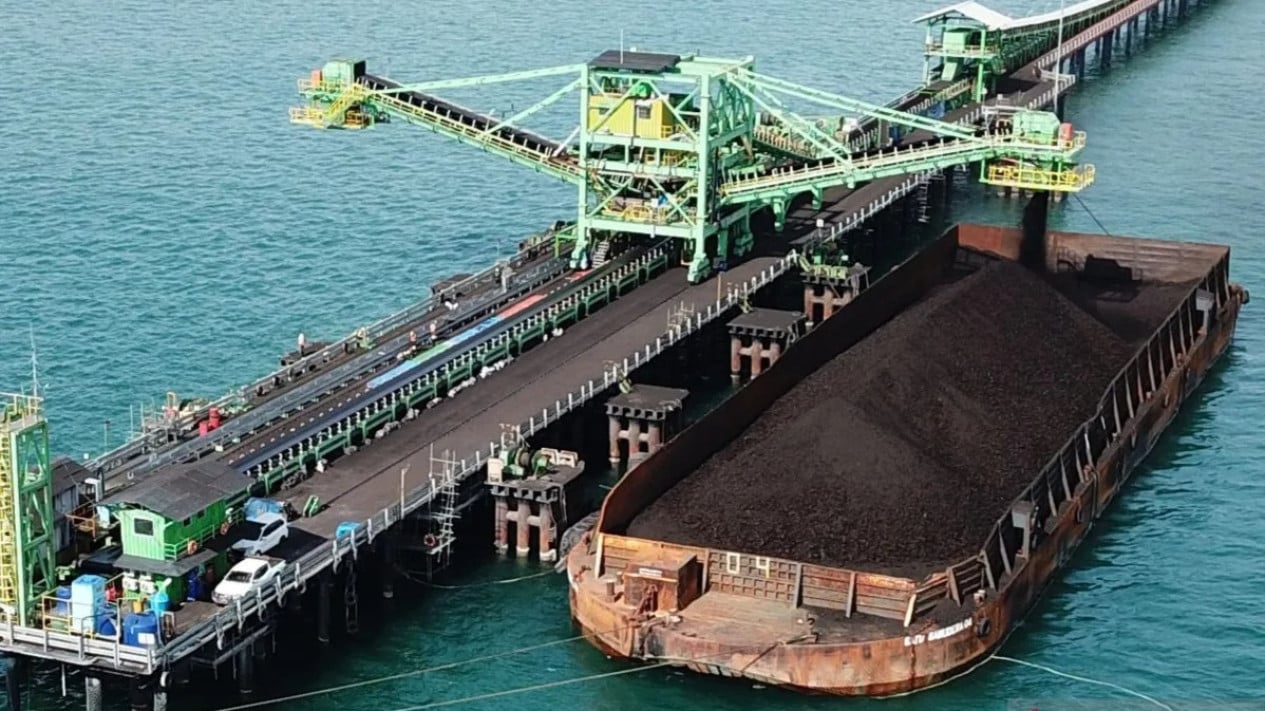
Jakarta, VIVA – The coal mining issuer, PT Bukit Asam Tbk (PTBA), reported that its financial performance throughout 2025 faced pressure in line with the surge in operational costs due to the rise in fuel oil (BBM) prices. The company recorded a 43% year-on-year (yoy) decline in net profit to Rp 2.93 trillion.
Company Secretary Eko Prayitno stated that the profit decline was triggered by swelling operational expenses, realised at Rp 36.39 trillion, or up 5% from the previous year. This increase aligned with higher operational volumes, including coal production up 9% yoy and transportation surging 6%.
Additionally, the withdrawal of subsidies for FAME components in biodiesel and the obligation to use B40 also impacted fuel prices, which jumped 13% yoy per litre. This automatically affected the increase in fuel costs used by the company, both for mining activities and railway transportation, which rose sharply in recent periods.
The company also recorded a surge in general and administrative expenses up Rp 261.88 billion or 13%. Likewise, selling expenses increased by 3% or around Rp 23.58 billion.
Nevertheless, PTBA’s President Director, Arsal Ismail, assessed that the company’s performance throughout 2025 remained relatively solid. The company succeeded in booking quarterly profitability improvements driven by optimisation of the export market portfolio and cost efficiency enhancements.
“Such performance is reflected in the positive growth in production and sales volumes,” said Arsal, quoted from a written statement on Tuesday, 7 April 2026.
PTBA booked revenue of Rp 42.65 trillion during the 2025 fiscal year period. Sales volume was recorded to increase 6% to Rp 45.41 trillion.
In line with the increase in production volume, PTBA recorded 9% production growth, also followed by a 6% rise in sales realisation. The sales portion up to the end of December 2025 showed domestic sales at 54%, while the remaining 46% was exports, with the largest export destinations including Bangladesh, India, Vietnam, South Korea, and the Philippines.
However, the weakening coal prices caused losses that should have been gains given the increased production volume. The Newcastle Index, which fell 22% yoy, and ICI-3, which plunged 16%, impacted the average selling price, which was recorded to decline 6% annually.