
Building Strategic Reserves of National Industrial Raw Materials
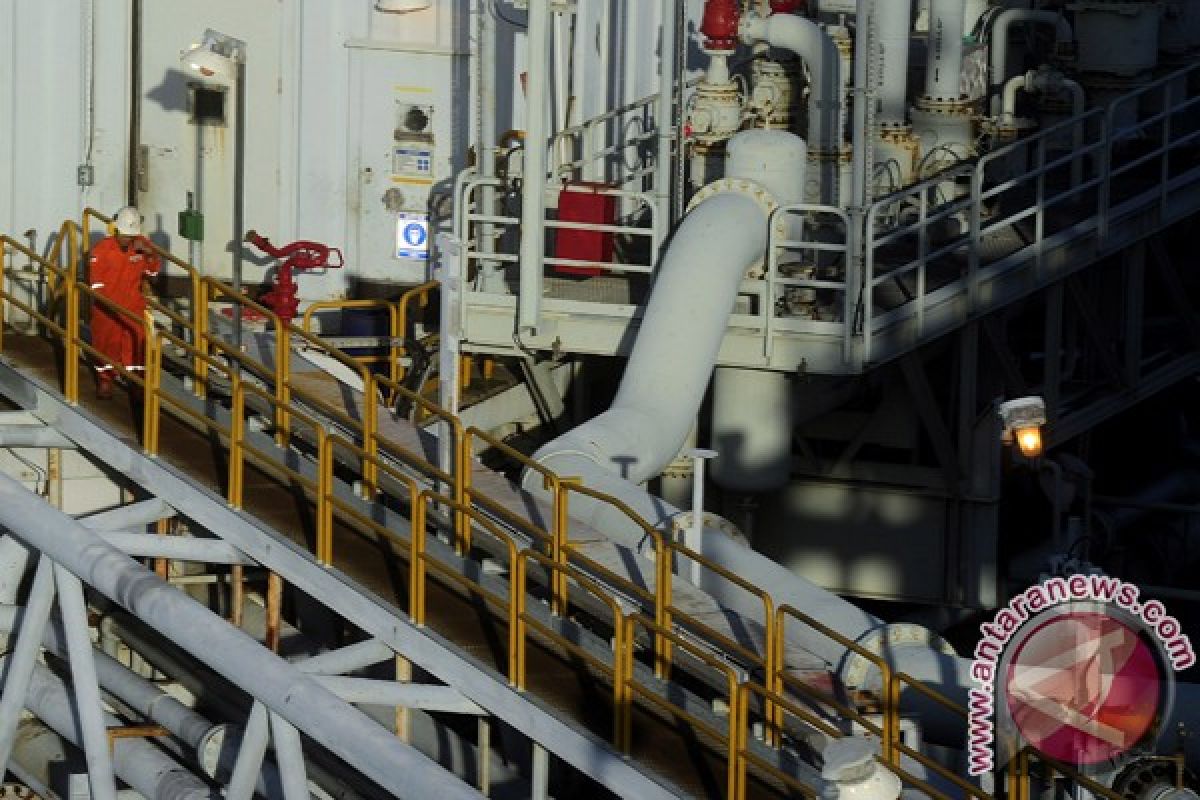
Jakarta (ANTARA) - The world is once again holding its breath. The escalation of conflict between the US-Israel axis and Iran in early April 2026 is not merely a military event on television screens, but a direct blow to the world’s economic lifeline.
Within just one week, Brent crude oil prices surged 42%, breaking through the psychological threshold of $100 US per barrel—the highest level in the last three years.
For Indonesia, this spike represents a real threat to national fiscal stability. In technocratic terms, every $1 US increase in crude oil prices per barrel has the potential to inflate state expenditure by up to Rp10.3 trillion. The nation’s issues run far deeper than mere budget deficit figures.
Disruptions in the Strait of Hormuz—the route that channels one-fifth of the world’s oil supply and 30% of global fertiliser trade—have triggered massive supply chain disruptions.
As container costs skyrocket by up to 200%, the public is forced to confront the vulnerabilities of the domestic manufacturing structure, which has long depended on stability in the Middle East region.
Indonesia, with oil consumption reaching 1.6 million barrels per day but domestic production covering only a third of that, finds itself in a precarious position.
The Coordinating Ministry for Economic Affairs has signalled that several industrial sectors are beginning to experience operational constraints due to shortages of raw materials in international markets.
This phenomenon highlights a crucial issue: without assured raw material supplies, the wheels of industry will grind to a halt, and it is society that will bear the brunt first through price increases.
Broken Supply Chains
The conflict in the Gulf region is not only draining energy reserves but is massively severing supplies of naphtha, ethane, and butane, which are vital components for the petrochemical industry.
Authorities in relevant ministries have confirmed supply corrections in sectors reliant on naphtha, particularly the plastics and basic chemicals industries.
The downstream impacts of these raw material shortages are triggering surges in production costs, ultimately forcing end consumers to pay more for various essential goods.