
Building Quality Parent-Child Togetherness: Tips from a UI Psychologist
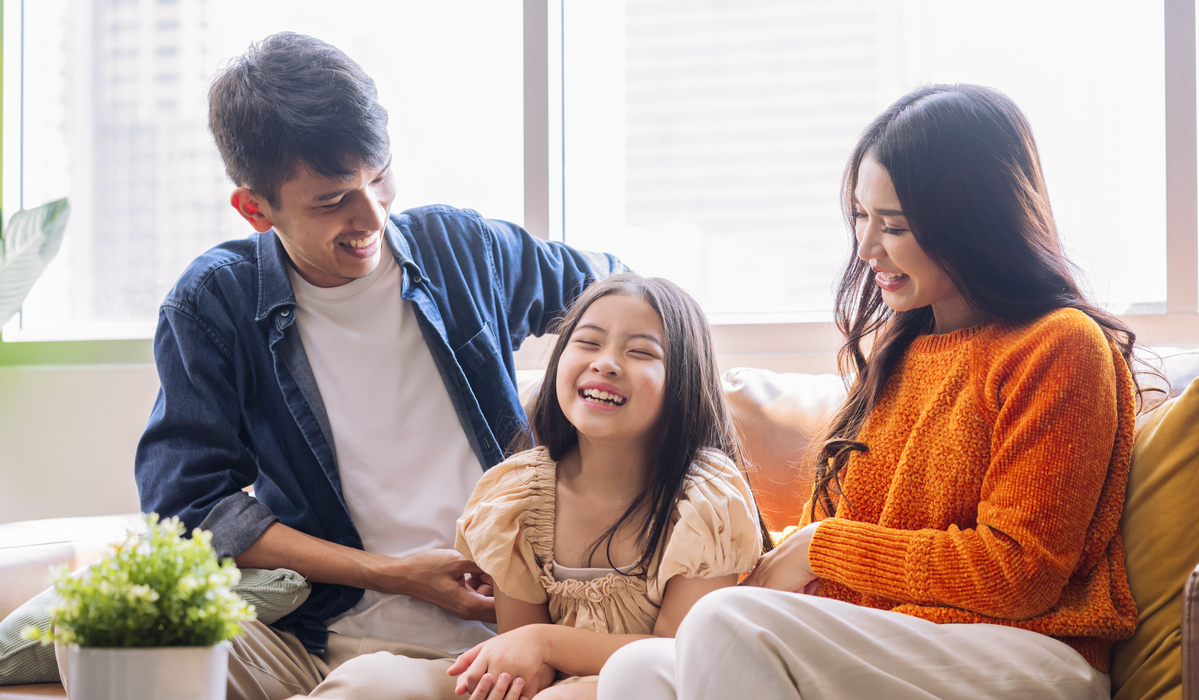
The busyness of work often becomes the main barrier for parents in spending time with their children. However, Sani B. Hermawan, P.Si, a child and family psychologist who graduated from the Faculty of Psychology at the University of Indonesia, reminds us that the key to closeness lies not in duration, but in the quality of interaction created.
According to Sani, parent-child togetherness does not need to last long, especially for those with packed work schedules. The most crucial aspect is active interaction during the available time.
Many parents today find it difficult to set aside even one hour each day. Sani explains that short sessions of 15 minutes, conducted with quality, are sufficient to provide positive impacts on a child’s development.
“With just 15 quality minutes together, sharing stories, laughing, hugging, that creates better closeness or emotional attachment benefits,” said Sani in an interview session in Jakarta.
This quality togetherness can be built by either father or mother, depending on who has the opportunity and free time. This becomes a solution for modern families where both parents often have to work outside the home.
Building effective communication with children should ideally start from an early age so that the habit carries over into their teenage and adult years. Here are some parenting strategies recommended by Sani B. Hermawan:
There is no such thing as too late to improve the relationship. If communication has not been established since childhood, start slowly with good intentions to enhance the two-way relationship quality.
The importance of parents’ full presence also aligns with initiatives from the Ministry of Basic and Secondary Education (Kemendikdasmen). Through the #SatuJamBerkualitas campaign, the government encourages Indonesian families to create special distraction-free time, particularly without gadgets, to shield children from the negative impacts of excessive social media use.
By building a strong communication foundation, children will feel safer and more comfortable opening up to their parents, which will ultimately support their mental health and optimal growth and development in the future.