
Building Homes, Restoring Dignity
A home is the most basic symbol of the state’s presence. It is not merely a building, but a space where hopes are built, families grow, and futures are planned.
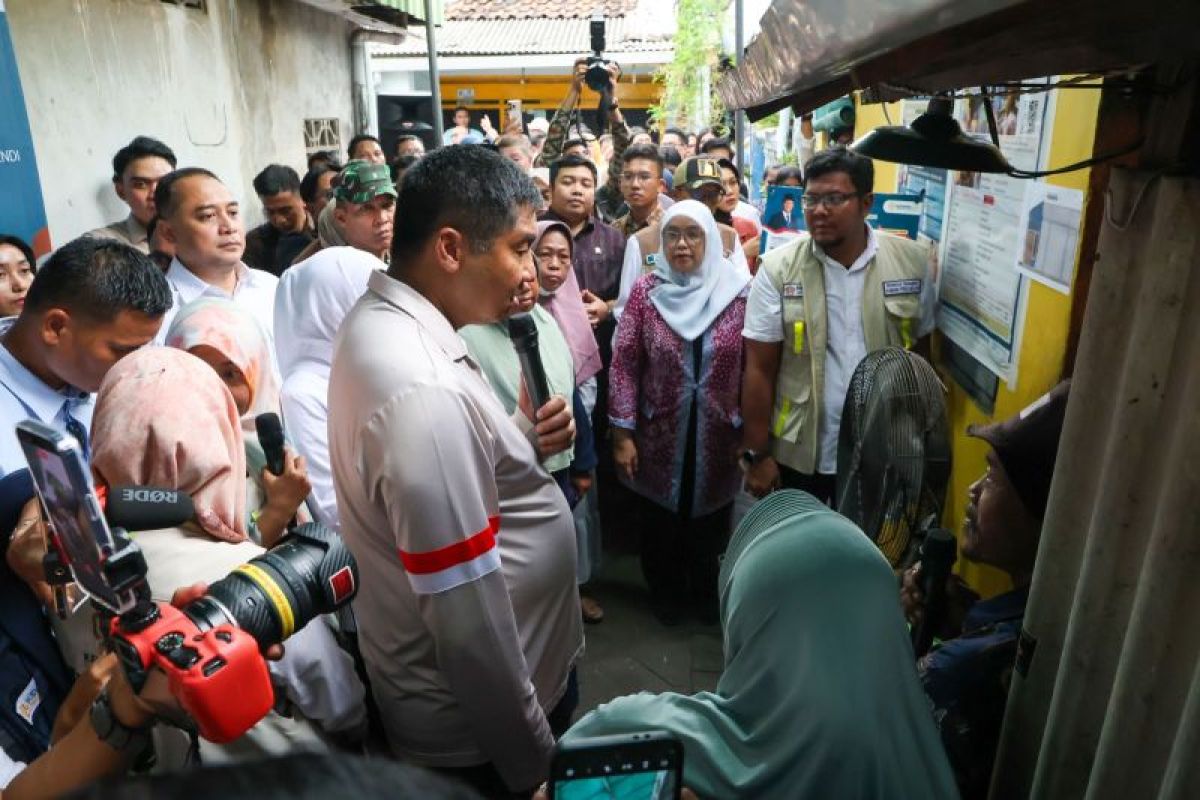
Surabaya (ANTARA) - In a narrow alley on the northern coast of Surabaya City, a rusted corrugated iron roof once marked the boundary between survival and surrender. Fragile walls not only harboured the chill of the night but also long-standing anxieties about the future. In that simple space, the issue of housing is not just about structures, but about the dignity of life.
It is at this point that the Self-Help Housing Stimulus Assistance (BSPS) programme finds its relevance. It arrives not merely as a physical project, but as a socio-economic intervention targeting the root causes of poverty.
In recent years, particularly in 2026, East Java Province has recorded a significant surge in the implementation of this programme. From just around 3,000 units the previous year, it has now increased to approximately 33,000 homes repaired.
These figures are not mere statistics. They reflect a change in the state’s approach to viewing housing as the foundation of welfare, rather than just a supplementary need.
Foundation of Life
For a long time, poverty alleviation policies have often been trapped in sectoral approaches. Social assistance stands alone, economic programmes run separately, and physical development is often not connected to overall improvements in quality of life. BSPS seeks to break this pattern.
In East Java, this programme not only repairs uninhabitable homes but also links them to family economic strengthening. Schemes such as People’s Business Credit (KUR) for housing and ultra-micro financing through PNM Mekaar serve as complements that broaden the programme’s impact. Repaired homes no longer stand as the end result, but as the starting point for social mobility.
This approach is crucial. Decent housing has been proven to contribute to family health, reduce disease risks, improve children’s learning comfort, and strengthen work productivity. In this context, housing becomes a strategic variable in reducing poverty.
Furthermore, the multiplier effects of this programme are also tangibly felt. Assuming one housing unit involves three workers, the construction of 33,000 units has the potential to absorb around 99,000 workers. This does not include supporting sectors such as transportation, building materials shops, and small businesses around the construction sites.