
Building a 'Money Machine' from Oil, Iran Emerges as Winner in Energy War
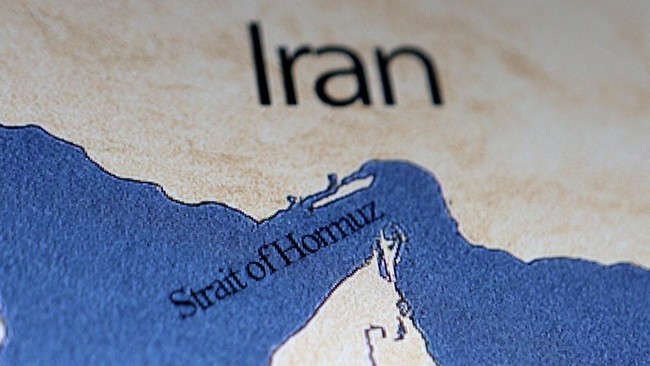
For over half a century, the monarchies in the Middle East have been positioned as reliable suppliers of low-cost crude oil to the global market. However, the outbreak of the third Gulf War, now in its fifth week, has fundamentally altered the dynamics of world energy supply. The closure of most routes through the Strait of Hormuz has hindered approximately 15% of global oil supplies from reaching international customers. This situation has forced nearly all Gulf states to cut production, leading to a drastic decline in export revenues. Iran, however, stands out as a striking exception. While its neighbours hold back exports, Iran’s tanker fleet continues to operate across the strait waters without significant hindrance. Surge in Revenue Amid Energy Crisis Based on field operational data, Iran is currently estimated to earn nearly twice as much daily revenue from oil sales compared to the period before the US and Israeli attacks at the end of February. Despite facing significant military pressure, Iran has recorded an advantage in the commercial energy sector. A source familiar with Iran’s oil operations confirmed that the country’s oil and refined product export volumes now range from 2.4 million to 2.8 million barrels per day. This figure includes about 1.5-1.8 million barrels of crude oil. This volume is equivalent to or even slightly higher than last year’s average exports, driven by surging global selling prices. Decentralised Sales Structure This substantial profit largely flows to the Islamic Revolutionary Guard Corps (IRGC), with China playing a central role in facilitating the fund flows. Institutionally, Iran’s oil exports are managed by the state-owned entity, the National Iranian Oil Company (NIOC). In practice, however, oil serves as the primary liquidity instrument for various government institutions amid limited foreign exchange reserves. Various factions within the government to religious foundations are allocated oil quotas to sell directly to the market. This distribution channel is controlled by around twenty oligarchic figures who utilise personal networks to convert oil into cash. These influential individuals often have close ties to political and military elites. Revolutionary Guard’s Grip on Oil Business Many of these commercial actors have organisational links to IRGC institutions. This elite force not only manages its own oil fields but also serves as the main driver behind the recent surge in export volumes. The IRGC’s international operations wing, the Quds Force, holds control over twenty-five percent of Iran’s total crude oil production. It is this highly decentralised commercial sales structure that gives their energy ecosystem high resilience against external interventions or centrally targeted economic sanctions. The presence of powerful figures behind the scenes ensures operations continue even in open conflict conditions. Logistics Security and Emergency Procedures at Kharg Island As the war escalation continues, the IRGC is tightening operational control over shipping lanes in the Strait of Hormuz. Military-affiliated companies are tasked with coordinating shipping logistics alongside NIOC. To protect cargo loads worth hundreds of millions of US dollars, Iran rigorously implements high-security procedures. In the Kharg Island area, which is the departure point for ninety percent of Iran’s crude oil exports, docked ships are now required to operate with emergency escape systems. In the event of a sudden military attack, ships can mechanically sever mooring lines and sail away immediately without tugboat assistance. This measure is taken to minimise losses of strategic assets amid threats of air strikes. Camouflage Tactics in the Strait of Hormuz To anticipate potential disruptions at main facilities, smaller-scale terminals like Jask, Lavan, and Sirri are currently pushed to full operation to stockpile oil reserves. Shipping processes are conducted with a high level of secrecy, where ships must report cargo details to IRGC intermediaries to obtain special passwords before crossing the strait. This fleet often sails through narrow corridors along Iran’s coastline to avoid detection, then turns off tracking transponders shortly after entering the Indian Ocean. The cargo loads are ultimately transferred to other ships in open waters around Southeast Asia to disguise their origin before heading to final destinations in China. Strategic Role of China’s ‘Teapot’ Refineries China remains the primary market consistently absorbing over ninety percent of Iran’s oil volume. The dominant buyers are small-scale independent refineries in the Shandong region, often referred to as ‘teapot’ refineries. Formally, these refineries operate independently to avoid direct sanction risks to China’s state-owned oil giants. Although China’s domestic demand has fluctuated due to price restrictions, reliance on Iranian supplies remains high amid shortages of crude oil from other war-affected Gulf producers. Price Dynamics and Shrinking Brent Discounts Before the conflict intensified, China’s independent refineries enjoyed significant discounts below the Brent benchmark price. However, with supplies from other Gulf producers halted, those discounts have sharply narrowed. When accumulated with logistics costs, the price of Iranian oil arriving in China is now