
Budget Risks Greater if Fuel Prices Are Held Back, Government Needs to Control Consumption
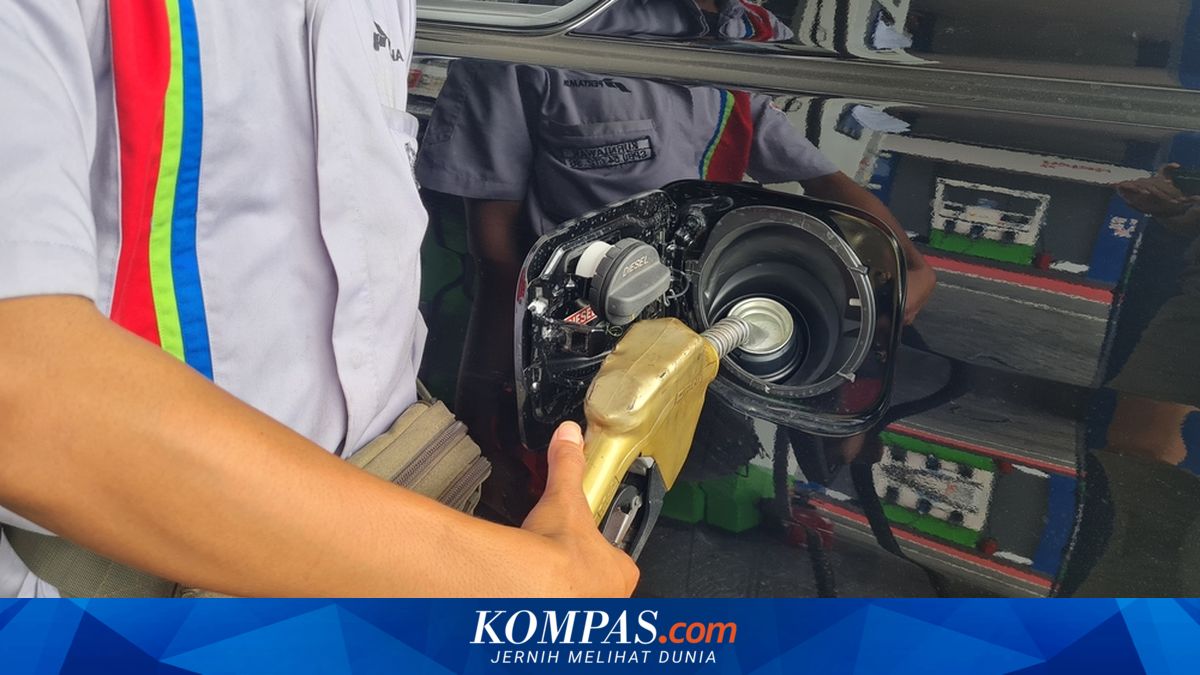
The government is facing considerable pressure in maintaining the stability of the State Revenue and Expenditure Budget. This pressure arises alongside the rise in global oil prices. Tax observer from the Center for Indonesia Taxation Analysis, Fajry Akbar, assesses that the policy of holding back fuel prices harbours fiscal risks. The main risk stems from the potential decline in state revenues. Fajry notes that public attention has so far focused more on the budget deficit. This focus emerged when world oil prices broke through 100 US dollars per barrel. According to him, there is another risk that is often overlooked. That risk is the potential shortfall in tax revenues. “What is often not realised is that, without a fuel price increase, there is a risk of a tax revenue shortfall of Rp 330 trillion to Rp 400 trillion this year,” Fajry told Kompas.com on Thursday (2/4/2026). The pressure on the revenue side is deemed greater if fuel prices remain held back. The government has carried out budget savings. These steps include cuts in transfers to regions and reductions in ministry and agency budgets. The effectiveness of this policy is assessed as still limited. “We have already implemented extraordinary savings. The question is, what else is there to cut?” he said. Fajry assesses that the option of cutting fuel taxes is not a solution. That policy is seen as merely shifting the fiscal burden. “The option of cutting taxes is just moving from one pocket to another, from the left pocket to the right pocket,” he stated. The available option is Government-Borne Value Added Tax. This scheme would increase the state expenditure burden. “If it is to be borne, government spending will certainly swell. Whereas we no longer have fiscal space,” said Fajry.