
Budget-Friendly Scheme Blamed for Declining Ride-Hailing Driver Earnings During Ramadhan
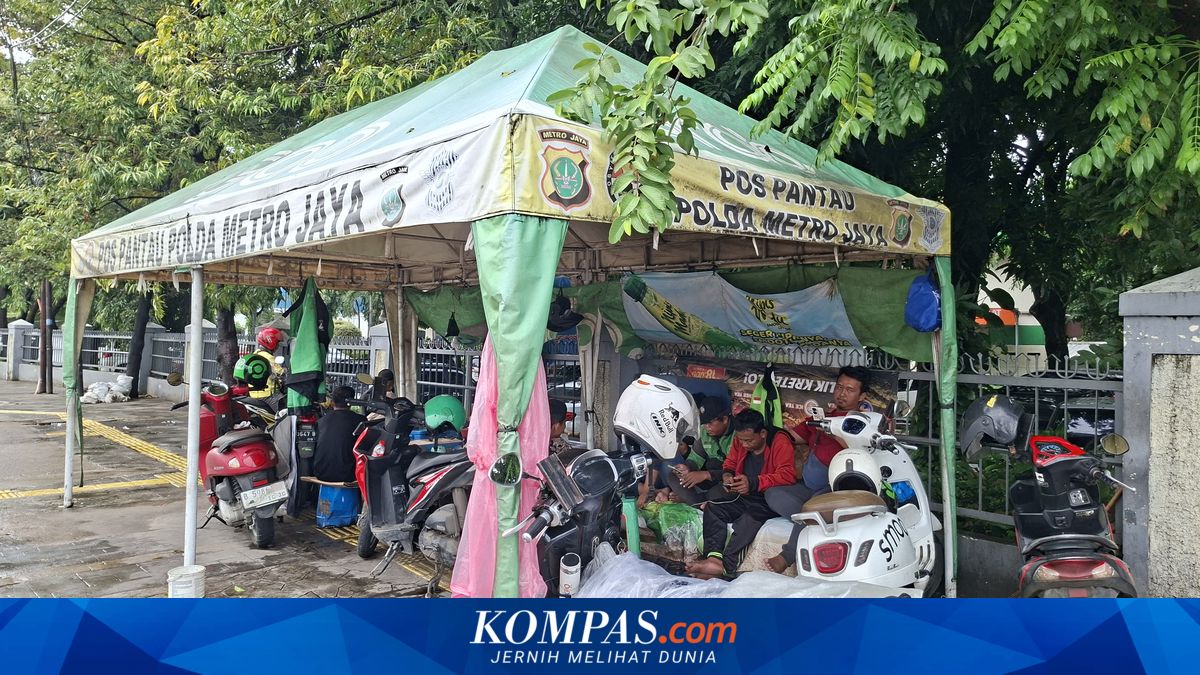
Jakarta — A number of ride-hailing drivers have reported experiencing no increase in earnings during Ramadhan this year. In fact, many of them believe their income has actually declined compared with ordinary days.
One ride-hailing driver, Roman (27), said the number of orders he received during Ramadhan was unstable. According to him, heavy traffic congestion meant more working hours were wasted, whilst the fares he received were relatively small.
“It’s even worse. The orders I get are not stable like before Ramadhan—it’s actually worse for wasting time because of the traffic. I only earn Rp10,000,” said Roman, a ride-hailing driver, when met in the Cawang area on Thursday (12 March 2026).
He admitted to being more selective when accepting orders. As the time for breaking the fast approaches, he often chooses to rest and not take orders, particularly if the pickup and drop-off distance is too far.
“I wait for the right ones, just wait for ones I can pick up. It’s tiring to go far—waste fuel, waste time, and the fare is only Rp10,000,” he said.
Roman said he typically earned around Rp200,000 per day on average. However, this figure was still gross income before deducting operational costs.
“Back when it was booming it was decent. During this Ramadhan I’m grateful to still earn Rp150,000 to Rp200,000, but that’s gross,” he said.
Another driver named Ivan expressed a similar sentiment, saying his earnings during Ramadhan had not increased significantly compared with ordinary days.
“On average I still bring in around Rp200,000—that’s gross, different from how it used to be,” he said.
According to Ivan, this situation was also influenced by the budget-friendly fare scheme from the ride-hailing platform, which made pickup and drop-off distances longer.
“Because the distances are longer. And there’s no surge pricing at all. Back then during working hours there was surge pricing, an extra Rp5,000 or Rp10,000. Now there’s nothing. That’s why drivers also choose to hold back—preferring to go offline during busy hours,” he said.
A number of drivers are reported to have chosen to decline orders or not take bookings during certain times, particularly when traffic is very congested.
They believe the longer travel time does not offset the fares they receive from the application.