
BTN Transformation Drives Asset Quality Improvement and Business Digitalisation
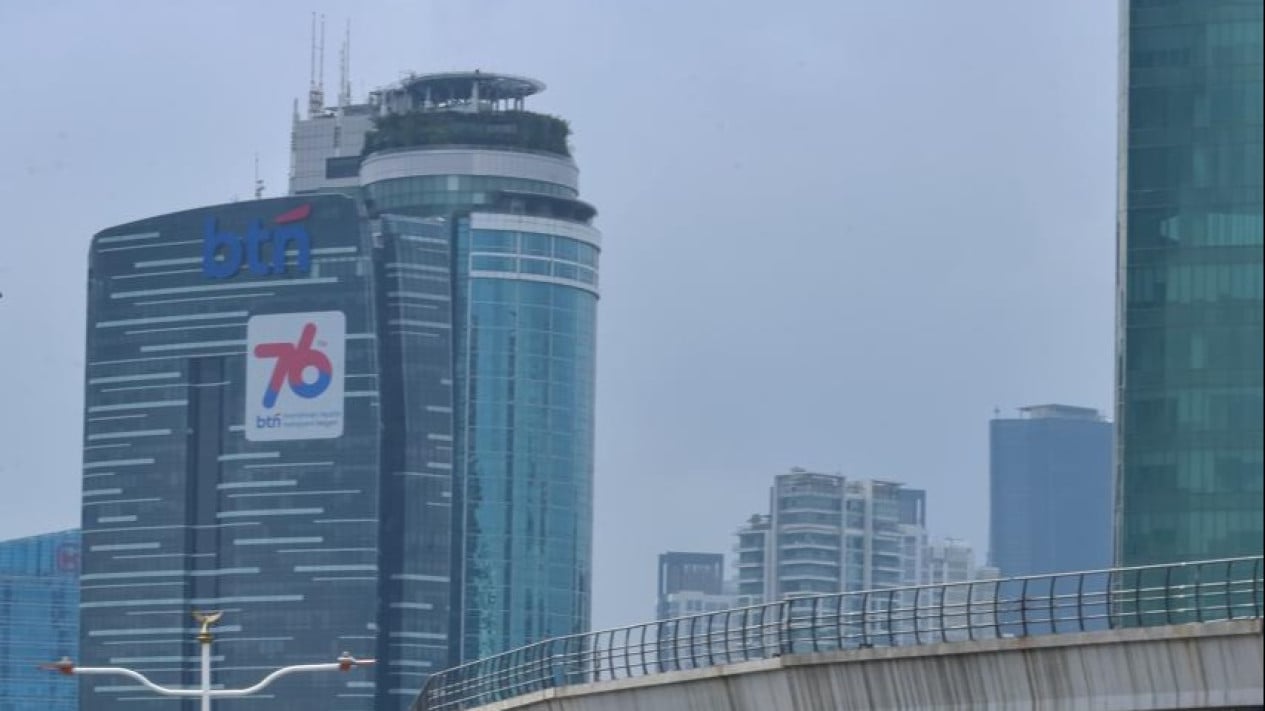
The transformation of PT Bank Tabungan Negara (Persero) Tbk (BTN) from a mortgage bank into a housing-based financial ecosystem is beginning to show significant results, as evidenced by several key indicators.
Eko B. Supriyandito, Chairman of the Infobank Institute, noted that BTN’s transformation is visible not only through business expansion and digitalisation but also through improved performance and enhanced asset quality. “BTN’s transformation is starting to yield results. This is evident not just from business growth, but also from improved credit quality and strengthened fundamentals,” Eko stated in a written report on Wednesday, 2 September 2026.
In the first half of 2026, BTN’s consolidated net profit reached Rp2.40 trillion, representing a 40.8% year-on-year growth. During the same period, BTN’s assets reached Rp545 trillion, with loans and financing at Rp418 trillion and third-party funds (DPK) at Rp433 trillion. Credit quality also improved, with the Non-Performing Loan (NPL) ratio dropping to 2.99% from 3.3%, while the cost of credit decreased from 2.0% to 0.7%.
Eko believes that BTN’s transformation is also evident in the company’s courage to expand its business beyond mere mortgages. BTN has begun building an ecosystem that follows the customer’s financial journey, from purchasing a home to other financial needs. “BTN is not abandoning the housing business. Rather, the housing business is being expanded into an ecosystem. The bank no longer views customers merely as debtors, but as part of a life journey,” he said.
This transformation is further strengthened through digitalisation via ‘Bale by BTN’. BTN’s flagship super-app now has approximately 4.5 million users, supported by 358,000 merchants, 14,000 developers, and integration with 59 local governments. Its transaction volume has reached 2.63 billion transactions with a value of Rp134 trillion.
In addition to expanding its ecosystem, BTN has also begun entering segments outside of mortgages through the acquisition of SMBC Indonesia’s pension credit portfolio, valued at nearly Rp20 trillion. This move is seen as strengthening BTN’s ability to serve customers’ financial needs through to retirement.
Despite expanding its business, Eko noted that BTN must maintain its primary mandate in national housing finance. In the first half of 2026, BTN’s subsidized housing credit grew by 8.1% to Rp196.96 trillion, while the Housing Program Credit reached Rp4.1 trillion.