
BSKDN Chief Emphasises Eight Principles of Science-Based Innovation
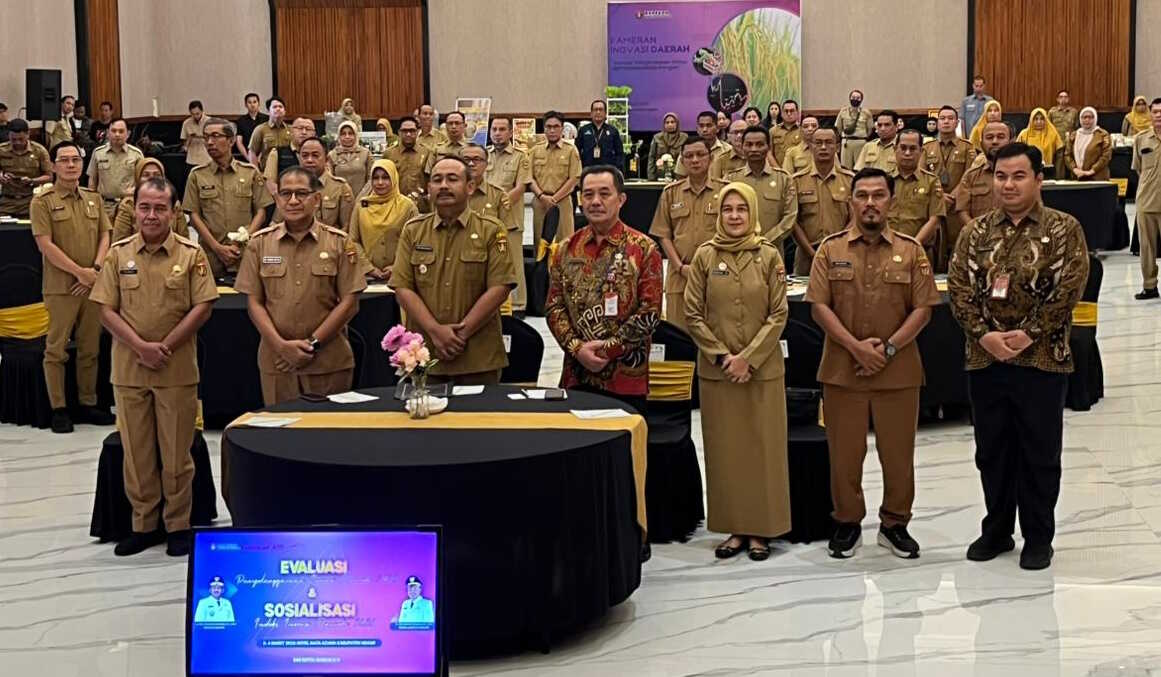
The Head of the Badan Strategi Kebijakan Dalam Negeri (BSKDN) at the Ministry of Home Affairs (Kemendagri), Yusharto Huntoyungo, emphasised the importance of understanding and implementing the eight principles of regional innovation based on science and evidence-based policy.
Innovation should not be viewed merely as an annual agenda or symbolic achievement. Instead, it must be designed comprehensively, underpinned by in-depth analysis, and aimed at improving the effectiveness of regional governance.
Regional innovation can be understood as a modernization effort in governance intended to enhance local government performance. Therefore, innovation must be science-based and yield real benefits for society.
He outlined the eight principles that should guide policy: efficiency and effectiveness; improvement of service quality; avoidance of conflicts of interest; oriented toward the public interest; implemented transparently; upholding propriety values; accountability; and sustainability.
According to him, openness is the key to building a healthy innovation ecosystem. Local governments need to ensure transparency in every stage of the innovation process, provide space for public participation, and involve academics and stakeholders in monitoring and evaluation.
“Innovation does not have an end; it will continue to evolve with the developments and circumstances faced by society. Therefore, the regions must continually discover the next novelty in innovation so that it remains relevant.”
On performance measurement, the IID assesses two main aspects: regional government units and regional innovation units, with a total of 36 indicators. The measurement aims to gauge the maturity of the regional innovation ecosystem as a whole. Based on IID 2025 results, Ngawi Regency achieved the “Very Innovative” category with a score of 88.58, and recorded 250 innovations submitted to the IID system.