
Britain: Strait of Hormuz operation is not a NATO mission
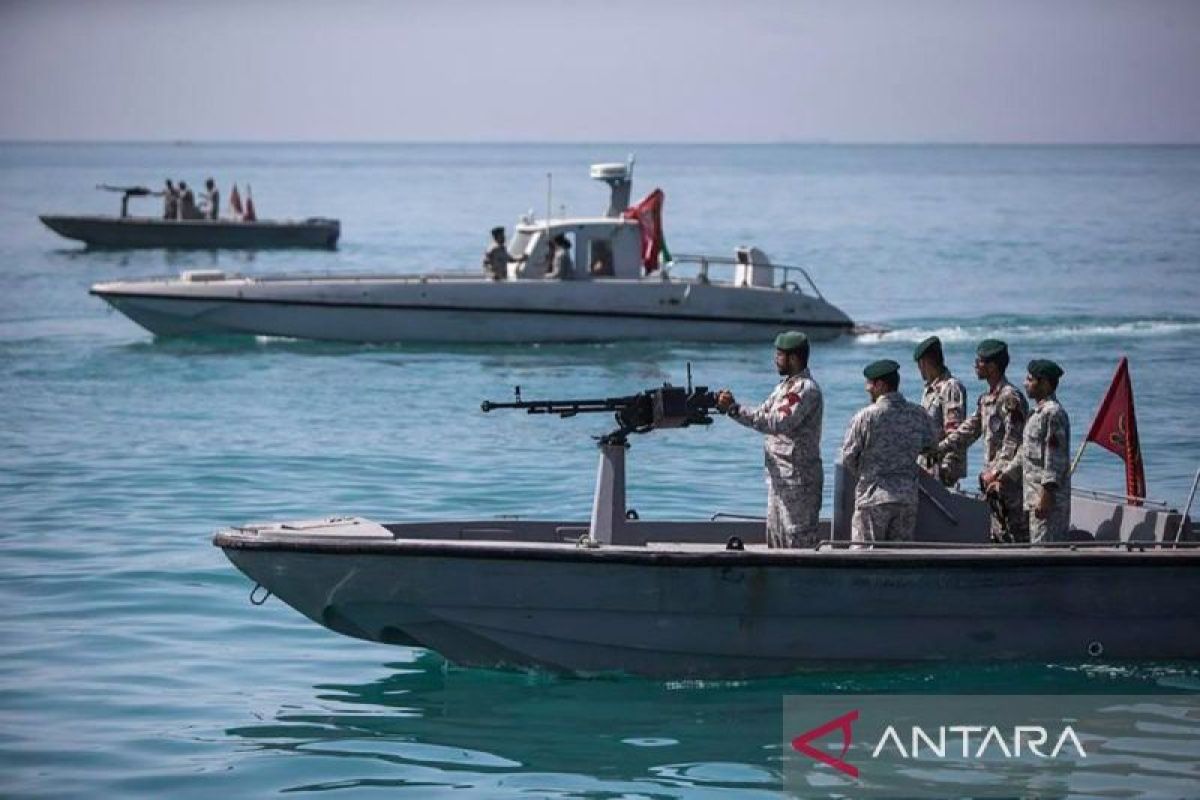
Moscow — British Prime Minister Keir Starmer stated that operations to reopen shipping lanes in the Strait of Hormuz would not be conducted under NATO auspices.
“We are working with others to draw up a credible plan for the Strait of Hormuz to ensure that we can reopen shipping lanes,” he said during a press conference on Monday, 16 March.
“Let me be clear: it will not and never was planned as a NATO mission. It should be a coalition of partners, which is why we are working with partners in Europe, in the Gulf, and with the United States,” Starmer said.
Earlier on Saturday, US President Donald Trump called on China, France, Japan, South Korea, Britain, and other nations to send warships to the Strait of Hormuz to secure one of the world’s most important global oil trade routes.
He warned NATO allies that the alliance faced a “very bad future” if it failed to secure the strait.
Polish Foreign Minister Radoslaw Sikorski rejected Trump’s proposal, stating that his government “has no plans to participate in such a mission.”
The Financial Times reported that France has also rejected Trump’s initiative.
European Union foreign policy chief Kaja Kallas said ahead of an EU foreign ministers’ meeting in Brussels that she would discuss expanding the Aspides naval mission to the Strait of Hormuz.
The mission, which involves Greek and Italian vessels protecting ships in the Red Sea, would be expanded under the proposal.
Greek government spokesman Pavlos Marinakis stated that Greece would refuse to participate if the mission were expanded to the Strait of Hormuz.
On 28 February, the United States and Israel launched attacks against targets in Iran, including in Tehran, causing damage and killing civilians.
Iran subsequently retaliated by attacking Israeli territory and US military facilities in the Middle East.
Escalation around Iran has caused traffic in the Strait of Hormuz to de facto halt.
The strait is a primary route for shipping oil and liquefied natural gas from Persian Gulf nations to global markets, thus affecting regional oil exports and production.