
Britain and US intensify discussions on reopening Strait of Hormuz to stabilise global oil supply
Prime Minister of Britain, Sir Keir Starmer, has held serious discussions with President of the United States, Donald Trump, concerning the urgency of reopening the Strait of Hormuz. This step was taken to halt significant disruptions to global shipping that have triggered cost increases worldwide.
Downing Street, the office of the British PM, stated that both leaders agreed on the importance of normalising this vital shipping route. “The Prime Minister and Trump discussed the ongoing situation in the Middle East and the importance of reopening the Strait of Hormuz to end disruptions to global shipping, which is driving cost increases worldwide,” said a Downing Street spokesperson.
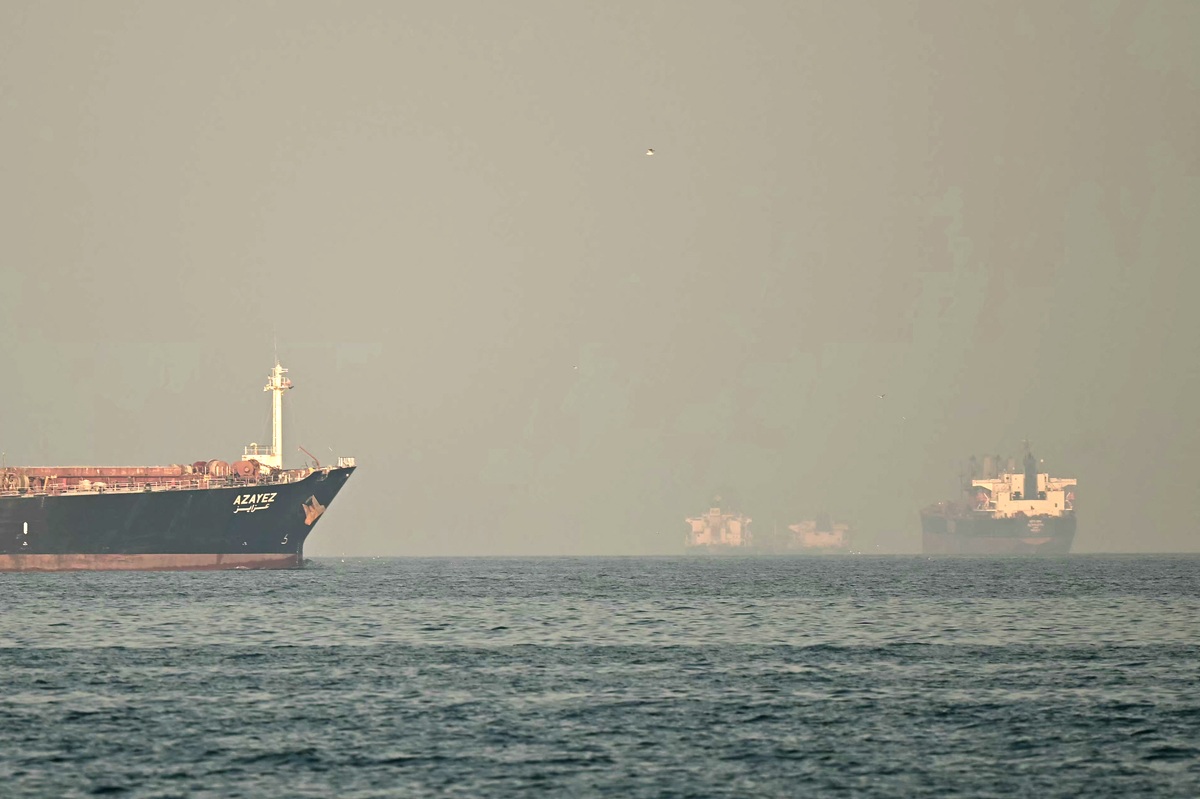
The Strait of Hormuz is the world’s energy lifeline, conveying approximately 20% of global oil supply. Since the conflict between the US-Israel coalition and Iran erupted on 28 February, this route has been practically closed. This closure has had a catastrophic impact on global supply chains and energy prices. Crude oil prices surged from US$71 to nearly US$120 per barrel at their highest point last Monday.
British Energy Minister Ed Miliband stressed that the government is considering all options to help reopen the strait. “You can be assured that all options that could help reopen the strait are being considered together with our allies,” Miliband told the BBC. He also added that Britain’s contribution could include the use of mine-clearing drones.
Conditions on the ground remain tense. Reports indicate that at least 16 vessels, including several tankers, have been attacked near the shipping route. Concerns have also emerged that Iran has laid naval mines to obstruct navigation.
Iran’s new Supreme Leader, Mojtaba Khamenei, stated that he would continue to blockade the strait as a tool of political and economic pressure against the US. However, Iranian Foreign Minister Abbas Araghchi offered a slightly different statement, claiming the strait remains open to vessels that are not “enemies” of Iran.
Within Britain, the government’s move has drawn varied reactions. Liberal Democrat leader Sir Ed Davey criticised Britain’s involvement, calling the war “illegal and destructive”. Conversely, the Conservative camp, through Claire Coutinho, urged the government to be bolder in deploying military assets for national interests.
Although initially reluctant, PM Starmer eventually authorised the US to use British airbase RAF Fairford and Diego Garcia for “defensive” operations. On Sunday, two US B-1 Lancer bombers were reported to have taken off from RAF Fairford towards the conflict region, signalling ongoing escalation of military operations.
The Japanese government is considering sending naval vessels to the Strait of Hormuz after US President Donald Trump requested allies to help escort oil tankers. Trump has threatened additional strikes on Iranian oil facilities on Kharg Island and called for an international naval coalition to protect the Strait of Hormuz.