
Bringing JKN Reactivation Services Closer to Border Communities
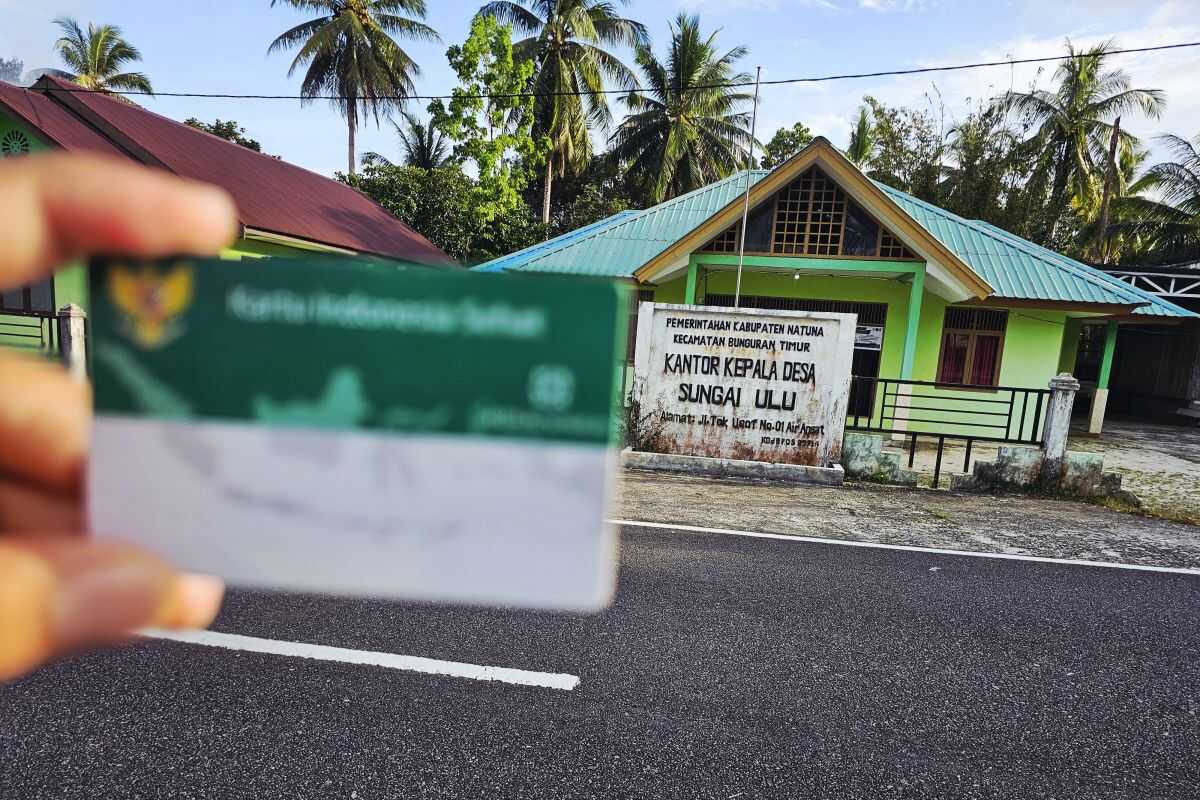
Bringing JKN reactivation services closer to communities serves as proof that policy does not stop at figures and systems. There is space for dialogue, a process for re-verification, and genuine efforts to safeguard healthcare access for those who need it.
Natuna — The 2026 update of the National Socio-Economic Single Data (DTSEN) has become a pivotal moment in reforming Indonesia’s social protection system. However, behind these refinement efforts, tangible problems have emerged within communities.
One such case is in Natuna Regency, Riau Islands Province. In this border district, no fewer than 2,000 residents previously classified in the lower economic bracket have been recorded as shifting to a higher welfare category.
The DTSEN is used by the government to map the socio-economic conditions of the population nationwide. Data is compiled through the integration of various sources as well as direct household surveys.
Officers observe housing conditions and family assets, and conduct structured interviews regarding income, employment, number of dependants, and other social aspects.
The survey results are then processed and grouped using a decile system — a division of welfare levels into ten groups. Deciles 1 through 5 represent groups with lower welfare levels and are the primary targets of social assistance. Meanwhile, deciles 6 through 10 are categorised as groups with higher welfare levels.
When the update was carried out in 2026, within the system, these 2,000 residents no longer met the criteria as recipients of certain forms of assistance, including National Health Insurance (JKN) contribution subsidies through the Health Insurance Contribution Recipient (PBI JK) scheme.
This is where the problem arises. A number of residents feel their economic conditions have not truly improved. Incomes remain irregular, employment is seasonal, and the cost of living continues to rise. Yet within the system, their status has changed.
The impact is immediately felt. JKN cards that were previously active under the PBI JK scheme have become inactive. For residents who require routine healthcare or suffer from chronic illnesses, this situation raises serious concerns. Medical costs previously borne by the government could potentially become a personal burden.