
BRIN Warns of Potential Godzilla El Niño, Threatening Drought and Floods
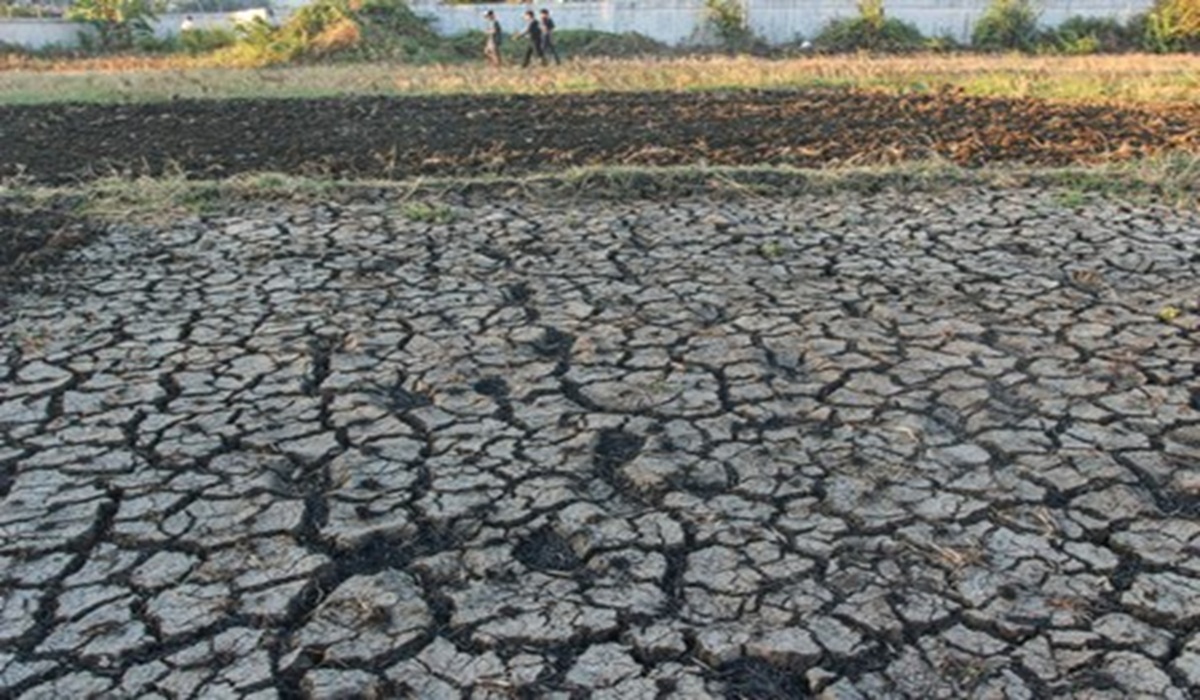
The National Research and Innovation Agency (BRIN) has warned of the potential for a strong El Niño, or Godzilla, which will impact drought during the 2026 dry season. This condition is projected to occur from April to October 2026, with varying effects across different regions of Indonesia.
In a post on its official account, BRIN stated that the impacts of the super El Niño and positive Indian Ocean Dipole (IOD) will not be uniform across Indonesia. BRIN cited a similar event that occurred in 2023 as an example.
For the period from April to July 2026, data from BRIN’s seasonal prediction model indicate that a drier dry season is likely in much of Java to East Nusa Tenggara. Meanwhile, regions in Sulawesi, Halmahera, and Maluku are expected to still experience high rainfall.
BRIN assesses that this situation requires anticipation by the government through mitigation measures tailored to the characteristics of each region. In southern Indonesia, drought is seen as potentially threatening the national rice granaries, particularly in the North Java Coast area.
Additionally, BRIN highlights the potential for flooding in northeastern Indonesia due to high rainfall during the dry season, especially in Sulawesi, Halmahera, and Maluku. The risk of forest and land fires also looms in parts of Sumatra and Kalimantan.
On the other hand, BRIN views the dry season conditions in southern Indonesia as an opportunity to optimise salt production to support the national salt self-sufficiency target for 2026-2027.
A researcher from BRIN’s Centre for Climate and Atmospheric Research, Prof. Erma Yulihastin, stated that the government needs to be wary of drought impacts that could threaten the national food granaries in the Java North Coast region.
At the same time, the government also needs to prepare strategies to address excess rainfall in Sulawesi, Halmahera, and Maluku, along with its impacts on flooding and landslides.
“The government needs to be wary of drought impacts that could threaten the national food granaries in the Java North Coast region. In addition, the impacts of forest and land fires in Kalimantan and Sumatra must also be mitigated. However, at the same time, the government should also prepare strategies to handle excess rainfall in the Sulawesi-Halmahera-Maluku region and its impacts on flooding and landslides,” said Erma.