
BRIN Strengthens Preparedness Against Nipah Virus Threat
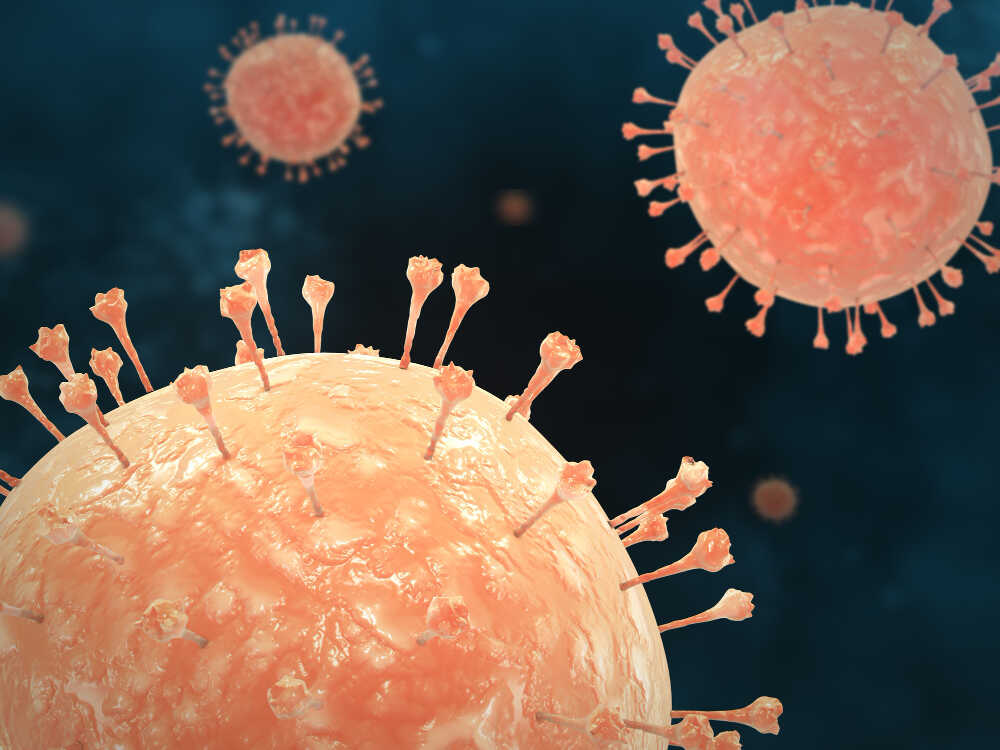
BRIN Strengthens Cross-Sector Collaboration to Enhance Indonesia’s Preparedness Against Nipah Virus Threat. The effort was discussed at a strategic forum titled Cross-sector Collaboration in Strengthening National Preparedness for Nipah Virus Prevention in Indonesia. The forum brought together government officials, researchers, academics, international organisations, and various stakeholders, emphasising the importance of an integrated approach to preventing the potential emergence of a high-fatality zoonotic virus.
Head of BRIN’s Health Research Organisation, Prof. NLP Indi Dharmayanti, explained that Nipah virus has a fatality rate of around 40–70 percent in outbreaks in South Asia and Southeast Asia. The virus is known to have its natural reservoir in fruit bats of the genus Pteropus, which are also found in Indonesia.
“Indonesia has biodiversity wealth that must be managed with a scientific and prudent approach. Therefore Nipah virus preparedness cannot be undertaken by a single sector alone; it requires a One Health approach that integrates human health, animal health and the environment,” Indi said in an official statement on Thursday (5 March).
According to him, various factors such as increasing population mobility, livestock trade flows, changes in land use, and urbanisation can amplify opportunities for interaction between humans and wildlife. This can potentially trigger spillover of zoonotic diseases from animals to humans.
Therefore, BRIN argues that there is a need for strengthened risk-based integrated surveillance, enhanced capacity of reference laboratories, monitoring of animal and animal-product movements, and tighter biosecurity in the livestock sector.
Head of BRIN’s Veterinary Research Centre Harimurti Nuradji added that to date Indonesia has not reported confirmed Nipah cases. However, the dynamics of interaction between humans, animals and the environment demand stronger anticipatory actions.
“Through this forum we hope to identify potential Nipah transmission risks in Indonesia, assess the readiness of the surveillance system and cross-sector response, and formulate concrete and practical strategic recommendations,” Harimurti said.
In the scientific session, several speakers from domestic and international backgrounds outlined the latest developments relating to Nipah virus epidemiology, surveillance strengthening, and laboratory capacity enhancement. Andrew Breed of the Department of Agriculture, Fisheries and Forestry Australia shared international experiences in strengthening surveillance systems and biosecurity.
Meanwhile, Sumarjaya, Director of Surveillance and Health Quarantine at the Ministry of Health, outlined the readiness of the national surveillance system and the strengthening of health quarantine as part of cross-regional risk mitigation.
From a veterinary research perspective, Indrawati Sendow highlighted the importance of monitoring wildlife reservoirs and domestic animals in high-risk areas as part of early detection efforts. Arif Mulyono of BRIN’s Centre for Public Health and Nutrition Research highlighted the importance of risk communication and public education to raise public vigilance.
Additionally, Sabar Pambudi of BRIN’s Vaccine and Drug Research Centre explained the potential development of vaccines, therapies, and medicines as long-term strategies in addressing Nipah threats and other zoonotic diseases.
The forum also involved the Coordinating Ministry for Human Development and Culture, the World Health Organisation (WHO), the Ministry of Agriculture, and the Ministry of Health as discussants. The discussions yielded a range of strategic inputs to strengthen cross-sector coordination, share epidemiological data, and devise actionable and sustainable anticipatory steps.
Through this cross-sector collaboration, BRIN emphasises the vital role of veterinary and health research in supporting evidence-based policy and strengthening the national health protection system. The forum is expected to serve as a foundation for strengthening Indonesia’s preparedness to face Nipah virus threats and other emerging zoonotic diseases in an integrated and sustainable manner. (E-4)
Copyright @ 2026 Media Group - mediaindonesia. All Rights Reserved