
BRIN Researcher Proposes Asymmetric Regional Elections as Middle Ground Between Direct and Indirect Voting
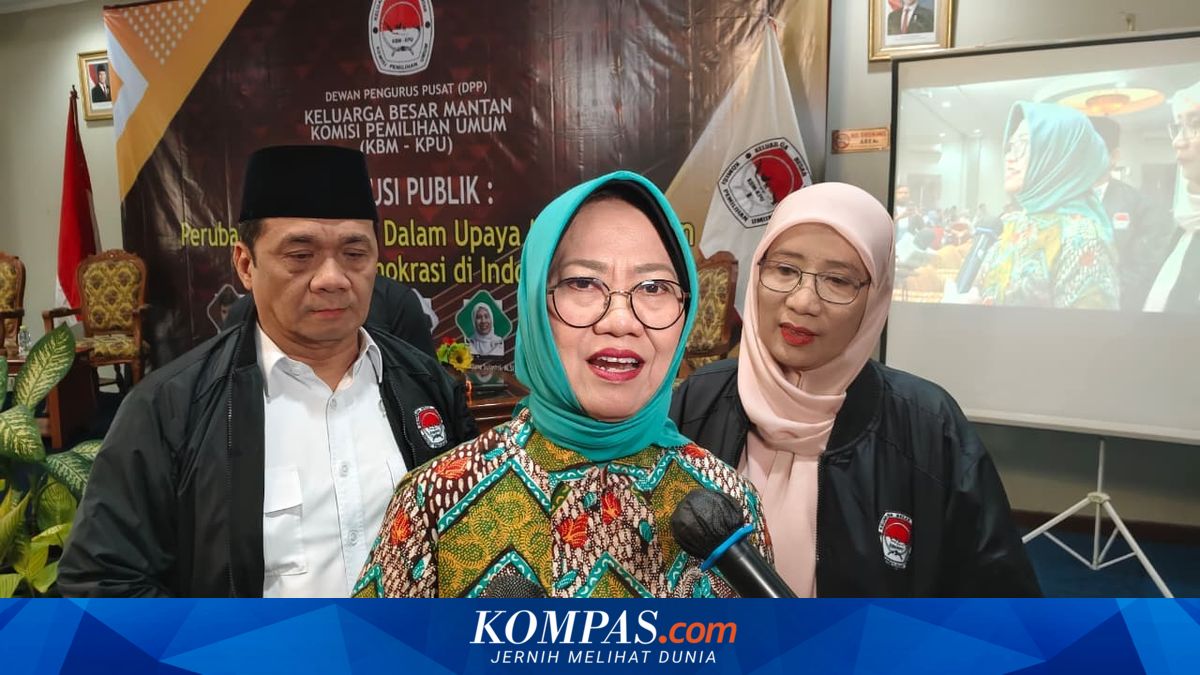
Jakarta — A researcher from the National Research and Innovation Agency (BRIN), Siti Zuhro, has proposed asymmetric regional head elections (Pilkada) as a middle ground between direct and indirect voting systems.
“We propose an asymmetric approach, allowing direct elections in areas that meet the requirements, or indirect elections through the regional parliament when necessary,” Zuhro said during a discussion organised by the Family of Former Election Commission Officials (KBM-KPU) at Hotel Mega Proklamasi in Jakarta on Tuesday, 17 March 2026.
She stated that direct elections could be conducted in regions with strong fiscal criteria. “Areas with high human development indices and other metrics would qualify,” she explained.
However, for regions not yet prepared for direct elections due to limited financial capacity, indirect voting through regional parliaments could be conducted instead. “For example, if we force direct elections in Papua, it becomes problematic,” Zuhro noted.
Nevertheless, the indirect voting system would not replicate the New Order approach of direct selection managed through regional parliaments. Instead, Zuhro proposed a convention system to recruit candidates from local parties in each region.
Candidates selected through party conventions would undergo fit-and-proper tests. “The focus would be on integrity, quality, leadership, and life history rather than popularity,” she said.
This approach would not diminish the substance of public voice, as the fit-and-proper tests would be televised or conducted on public stages for public viewing. “The key is ensuring representativeness and governability are seriously considered, creating clean and dignified government that serves the public interest,” Zuhro concluded.