
BRIN Researcher Offers Innovative Solutions to Manage Waste from MBG Programme
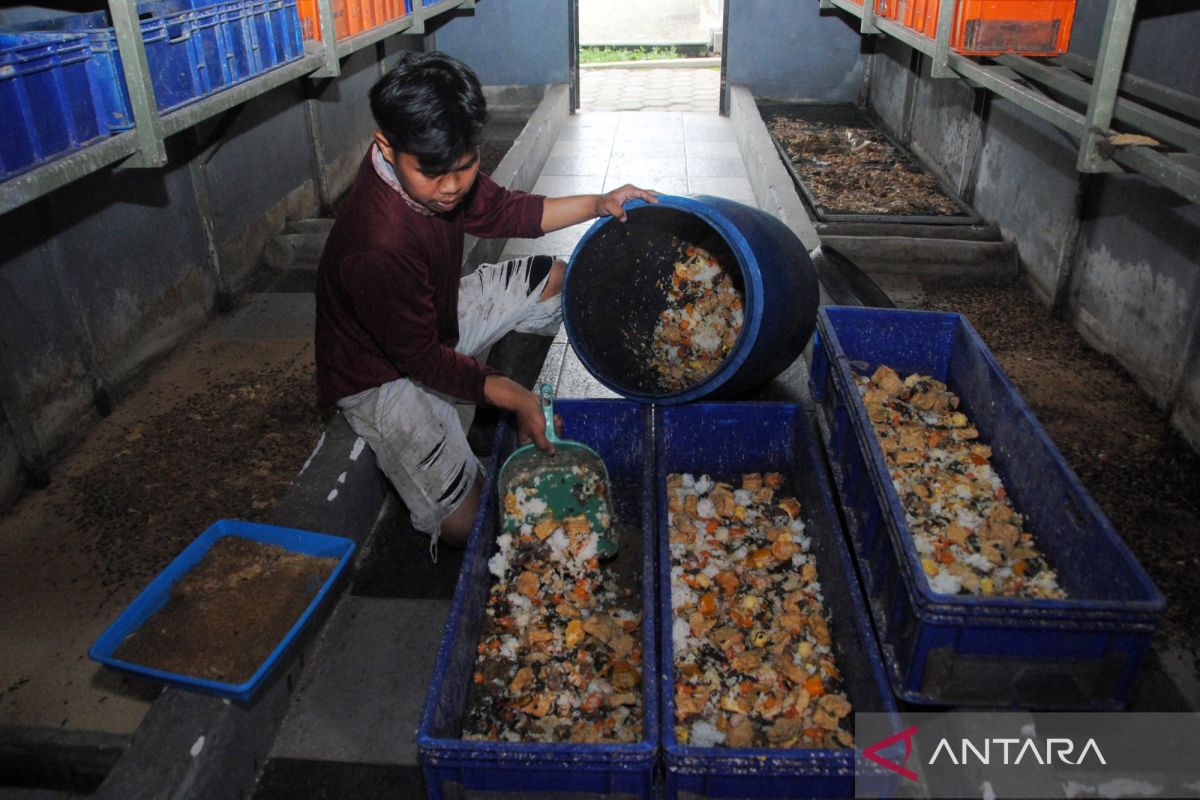
Jakarta (ANTARA) - Senior Researcher Basuki Rachmat from the Centre for Public Health and Nutrition Research at the National Research and Innovation Agency (BRIN) has offered several innovative solutions for utilising waste from the Free Nutritious Meals (MBG) programme. In a statement in Jakarta on Tuesday, Basuki outlined various technologies that can process food waste into energy. “Pyrolysis, gasification, anaerobic digestion, and hydrothermal carbonisation technologies can convert organic waste into valuable products such as biogas, biochar, and electricity,” he said. In addition to modern technologies, Basuki believes simple methods remain relevant, particularly for small-scale operations. “Organic waste processing can be carried out through composting, the use of bioactivators, or the utilisation of Black Soldier Fly (BSF) larvae, which can transform waste into animal feed and fertiliser,” he stated. Basuki added that the choice of processing method must be adapted to needs and capacity, as each technology has different characteristics, costs, and effectiveness. Therefore, the selection of methods should consider the scale, type of waste, and available resources. He emphasised that optimal food waste management not only reduces environmental burdens but also provides economic benefits. “With proper management, food waste can be converted into energy or fertiliser, while also curbing emissions and enhancing resource utilisation efficiency,” Basuki said. Basuki stressed that managing MBG food waste needs to be optimised through the use of cutting-edge technologies and a circular economy approach, so that every food leftover can be turned into a high-value resource. He highlighted findings that food waste production in Indonesia reaches 23 to 48 million tonnes per year, much of which comes from households and impacts environmental, economic, and social aspects. Therefore, proper management is crucial. “The principles of reduce, reuse, recycle, and recover must be applied to minimise waste and maximise resource utilisation. In this way, waste is no longer seen as residue but as a material that can be reused,” stated Basuki Rachmat.