
BRIN Pushes for Standardisation of Electric Motorcycle Plugs and Sockets
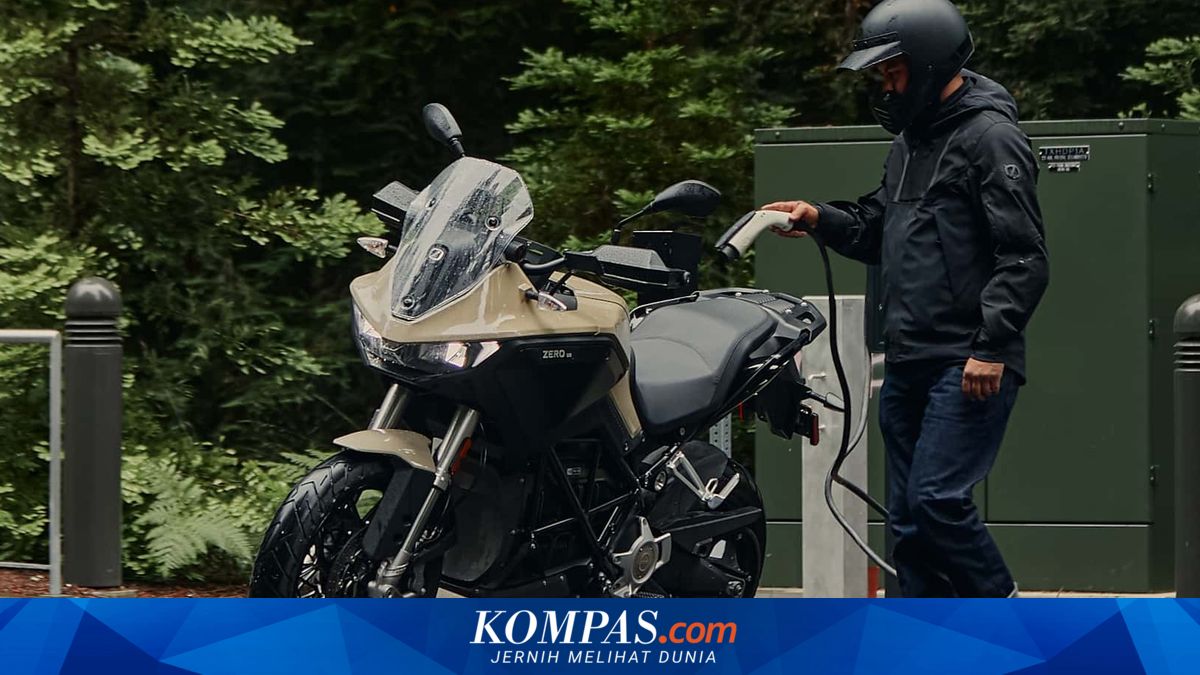
JAKARTA – The National Research and Innovation Agency (BRIN) is pushing for the standardisation of plugs and sockets to accelerate the adoption of two-wheeled electric vehicles in Indonesia.
Head of BRIN’s Electrical Technology Research Centre, Eka Rahman Priandana, stated that one of the main barriers to electric vehicle adoption, both globally and nationally, is the limited charging infrastructure, high battery costs, and user concerns about range.
“In Indonesia, these challenges are compounded by the still limited investment in battery swapping infrastructure or fast charging,” Eka said in his statement on Sunday (5/4/2026).
On the other hand, technology trends are shifting towards two-wheeled electric vehicles with large-capacity built-in batteries (long range), which require reliable fast charging infrastructure support.
“Interoperability is key. Without uniform plug and socket standards, the charging ecosystem will not develop optimally,” he said.
To this end, BRIN is initiating the development of an Indonesian National Standard (SNI) for fast charging plugs and sockets for two-wheeled electric vehicles. The design refers to the international IEC 62196-6 standard, with adjustments for local characteristics.
Eka explained that this standardisation is expected to improve compatibility between devices, encourage investment in public electric vehicle charging stations (SPKLU), and strengthen the domestic component level (TKDN).
“Additionally, this approach also allows vehicle manufacturers to innovate without having to standardise battery designs,” he said.
“Even, charging can reach around 20 minutes for LiFePO4-based batteries,” Eka added.
In its implementation, the charging system utilises an electric vehicle charge controller (EVCC) to bridge various battery communication protocols from different manufacturers.
Currently, the proposed standard is still being discussed with the National Standardisation Agency (BSN). BRIN is also continuing to coordinate with ministries, industry associations, and private sector partners.