
BRIN pushes for data synergy to accelerate national autism management
Jakarta (ANTARA) - Researcher Rozana Ika Agustiya from the Centre for Public Health and Nutrition Research at the National Research and Innovation Agency (BRIN) is pushing for an integrated national database to create targeted policies and services for children with autism.
She revealed that autism figures in Indonesia remain estimates and are not yet supported by comprehensive national surveys.
“If we know the numbers and distribution, we can plan for service needs, expert personnel, and budgets. Without data, policies miss the mark,” she said in Jakarta on Thursday.
She noted that robust data is not only crucial for identifying case numbers but also for mapping characteristics and needs across different age groups, from early childhood to adolescence.
In this way, she said, designed interventions can be more focused and effective.
In the field, she added, the lack of data intersects with various other challenges in autism management, one of the most common being delayed early detection.
This often occurs due to parents’ lack of understanding or limitations in trained personnel at primary services, such as community health centres and integrated health posts.
However, not all regions have adequate facilities and professional staff.
“Existing services are also not integrated. Parents of children with autism often have to move between doctors, psychologists, and therapists in different locations,” Ika said.
According to her, this situation adds to families’ burdens, both in terms of time, effort, and finances.
Although some services are covered by the National Health Insurance (BPJS Kesehatan), costs for transportation, companions, and assistive devices still must be borne personally.
She mentioned that it is not uncommon for one parent to reduce work activities to intensively accompany the child.
On the social side, stigma against children with autism remains strong. Children who struggle with communication are often misunderstood as “naughty”, while parents are seen as inadequate caregivers.
In fact, she said, from a public health perspective, autism management does not rely solely on medical services but also on family and community support. Parents play a key role in helping children achieve independence through various therapies.
“Therapy is only one to two hours at health services; the rest of the time, the child is at home. So parents continue the training, whether in communication, motor skills, or daily independence,” she stated.
She emphasised the importance of early detection so that interventions can be carried out more quickly and effectively.
The earlier a child is identified, she said, the greater the chances for development and adaptation, including in communication and social interaction skills.
In this regard, she said, research plays a vital role, both in providing data and developing intervention models, where BRIN can contribute by promoting national data collection through national surveys or cross-sector data integration.
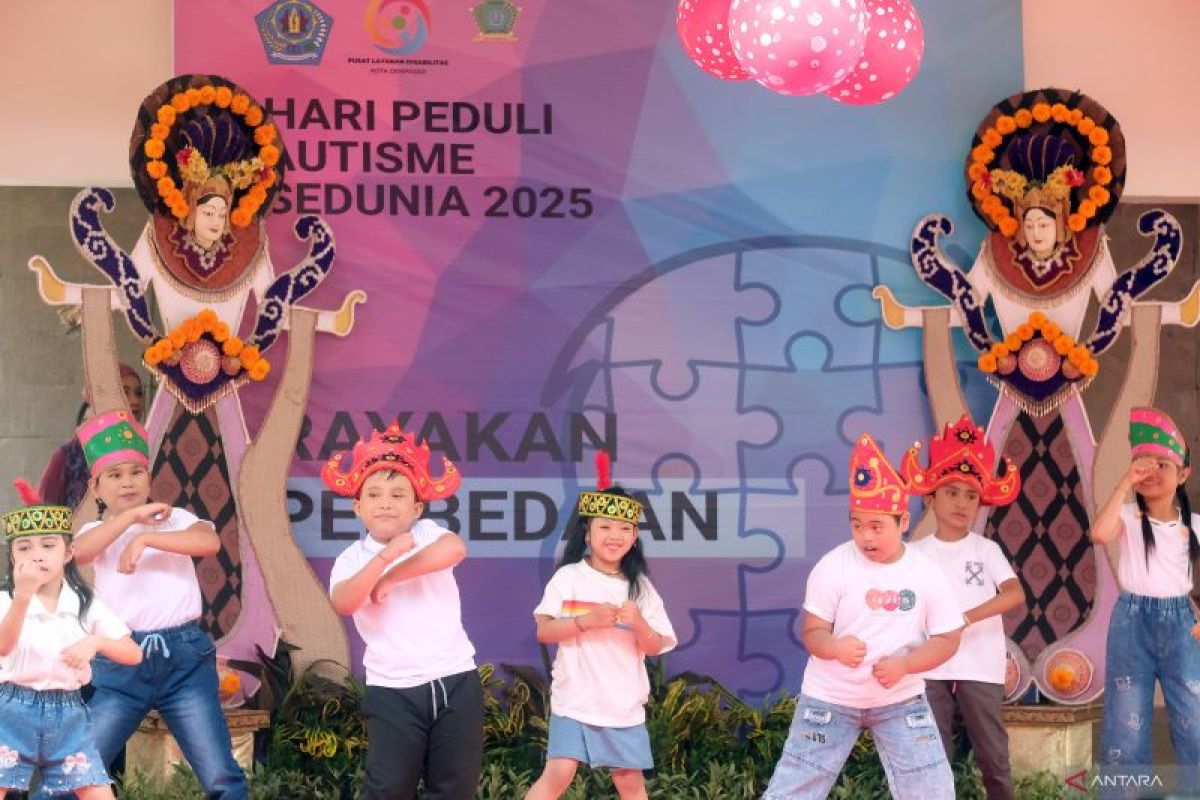
According to her, the observance of World Autism Awareness Day every 2 April serves as a reminder that autism management requires a more systematic and evidence-based approach.
“Every child on the autism spectrum has unique potential, so it is important for families to recognise and develop it without comparing to other children,” Rozana Ika Agustiya concluded.